
A review of hay- and silage-making equipment
Producing quality silage and hay is one of the most important seasonal jobs on any livestock operation, and the machinery behind it continues to evolve. From mowing and conditioning through to raking, baling and handling, efficiency, timing and crop quality remain critical. In this feature, we look at some of the machinery and technology helping New Zealand farmers and contractors get more from the season and make the most of every tonne of feed harvested.
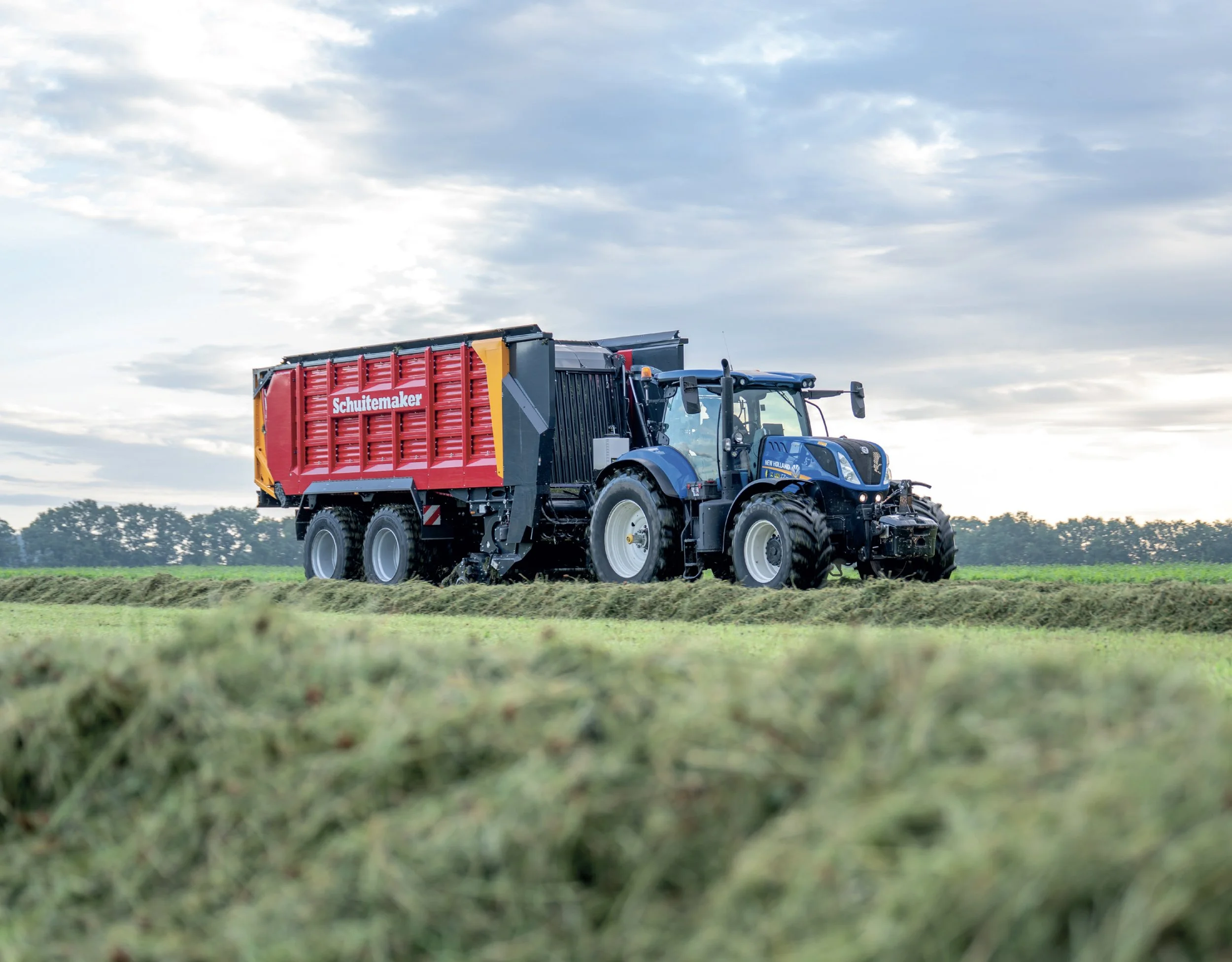
Giltrap AgriZone - Schuitemaker Rapide 6 to 9
There are very few machines in modern forage harvesting that have evolved as dramatically as the loader wagon. Once regarded simply as a means of collecting grass and transporting it back to the stack, today's forage wagons have become an integral part of the harvesting chain. They are expected to deliver high throughput, produce a consistent chop, travel efficiently between jobs and integrate seamlessly with increasingly sophisticated harvesting operations. Rather than simply building bigger machines, manufacturers are now concentrating on improving the systems that determine how efficiently crop moves through the wagon. That philosophy underpins Schuitemaker's latest Rapide 6 to 9 range, where the emphasis has been placed firmly on crop flow, serviceability and operator productivity.
For New Zealand operators, those developments come at an important time. Harvesting windows continue to tighten, farms are becoming larger and contractors are expected to cover more hectares in fewer days. Every interruption costs valuable time, whether it is a blocked intake, time spent servicing the machine or simply not carrying enough crop on each load. Improving efficiency is no longer about increasing engine horsepower or making the wagon larger. It is about refining every stage of the harvesting process so that the machine continues working when conditions are right.
Perhaps the most significant change to the Rapide 6 to 9 begins where every load starts, at the pick-up. Schuitemaker has introduced a hydraulically driven pick-up that allows operators to vary pick-up speed to suit different crop conditions. Rather than operating at a fixed speed regardless of swath size or crop density, the pick-up can now be matched more precisely to the conditions in front of the machine. The result is a more consistent crop flow into the rotor, particularly when moving between light and heavy swaths throughout the day.
The pick-up itself has also been completely redesigned with Schuitemaker's new Click & Go system. Routine servicing has always been an unavoidable part of forage harvesting, but the new design allows the complete pick-up assembly to be removed quickly and easily when maintenance or replacement is required. It is one of those practical engineering improvements that may only save a short amount of time on each occasion, but over the course of a harvesting season it contributes directly to improved machine availability and reduced downtime.
Once the crop enters the machine, it is handled by an entirely new PowerRotor. Measuring 700 mm in diameter and 2.1 m wide, the larger star-shaped rotor features eight rows of hard-faced tines designed to deliver a smoother and more consistent crop flow through the cutting system. Wider crop channels and new 15 mm scrapers encourage a gradual crop entry, helping the rotor maintain throughput without creating unnecessary peaks in power demand. A hydraulically driven RapidFlow feed roller works alongside the rotor to regulate crop delivery, ensuring the cutting system receives a consistent feed regardless of changing swath conditions.
Chop quality has also received considerable attention. The Rapide 6 to 9 features a completely redesigned knife system incorporating a five-section knife bank capable of carrying up to 50 cutting knives. Producing a theoretical chop length of 40 mm, the knives have been redesigned to improve cutting performance while remaining quick and straightforward to replace. Better still, the knives are reversible, effectively doubling their working life before replacement becomes necessary. For contractors harvesting thousands of tonnes of forage each season, reducing maintenance without compromising chop quality represents a worthwhile improvement.
While crop flow and cutting performance form the heart of the machine, Schuitemaker has also addressed one of the most obvious demands from contractors: carrying more crop without making the wagon significantly larger. The new Rapid Release front wall forms part of the High Volume package and increases capacity by an additional four cubic metres through a hydraulically moving front panel. Working alongside the RapidStream hydraulic top panel and rear body extensions, the system allows the wagon to make more efficient use of its available volume while maintaining excellent crop compaction throughout the body.
Supporting these mechanical improvements is a comprehensive package of electronic technology. SmartSteer electronic steering allows the wagon to track more accurately behind the tractor, reducing tyre scrub and improving manoeuvrability when negotiating gateways, headlands and narrow farm races. Operators can choose from three wheel size options, 22.5-in., 26.5-in. or 30.5-in., allowing the machine to be matched to different farming systems, transport requirements and flotation needs. Whether working across intensive dairy platforms or larger mixed farming operations, that flexibility allows buyers to tailor the wagon to their individual application.
Inside the tractor cab, Schuitemaker's DoubleTouch control system provides a full-colour seven-inch touchscreen combined with joystick operation for the machine's primary functions. Full ISOBUS compatibility allows operators to integrate machine control directly into compatible tractor terminals, reducing the number of displays required in the cab while simplifying operation. Optional OptiLoad automation further reduces operator workload by automating loading and unloading functions, allowing the operator to concentrate on maintaining forward progress rather than continually adjusting machine settings.
Construction has also been designed with longevity in mind. The reinforced cage structure combines galvanised and powder-coated panels for improved corrosion resistance, while the hydraulic drawbar incorporates accumulator suspension and automatic height adjustment to maintain the optimum loading position throughout operation. Features such as hydraulic floor chains with two-speed operation, pressure filtration within the hydraulic system and extensive LED lighting demonstrate the level of attention paid to the machine's day-to-day usability as much as its harvesting performance.
What stands out most about the Rapide 6 to 9 is that Schuitemaker has resisted the temptation to chase headline specifications. Instead, the company has focused on refining every stage of the crop's journey through the machine. From the new variable-speed hydraulic pick-up and Click & Go removal system through to the larger PowerRotor, redesigned knife bank, increased body capacity and integrated electronic controls, each development has been engineered to improve productivity where it matters most: in the paddock.
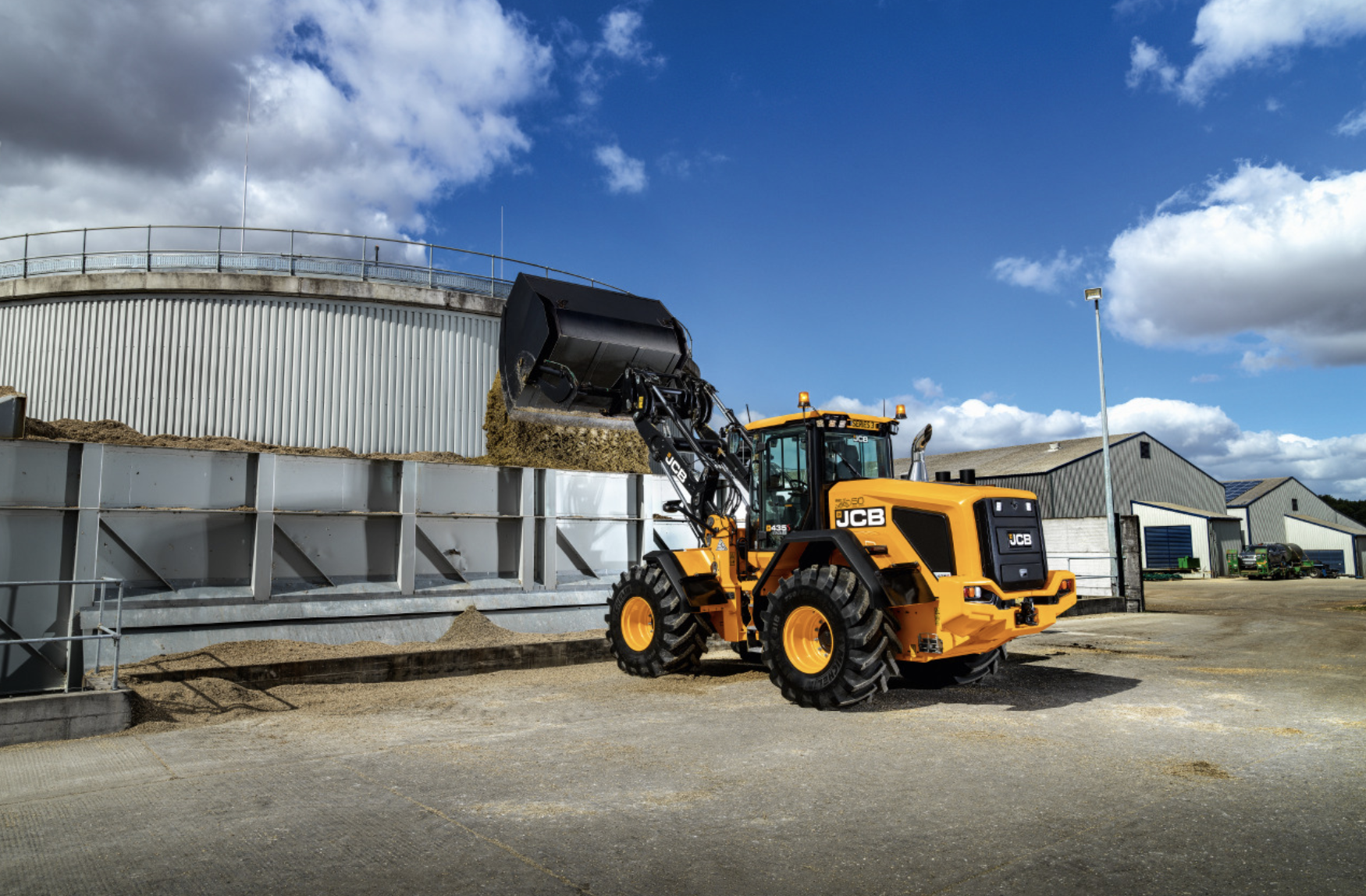
JCB - 435S
There has been a noticeable shift in the design philosophy of agricultural wheel loaders over the past decade. While outright lifting capacity remains important, manufacturers are increasingly engineering machines that deliver performance through the integration of powertrain, hydraulics, driveline and operator systems rather than simply increasing engine output.
The JCB 435S is a good example of that evolution.
Designed as the flagship of JCB's agricultural wheel loader range, the 435S combines a 15.5 t operating weight with a 210 kW (282 hp) Cummins engine to deliver one of the highest power-to-weight ratios in its class. At approximately 19 hp/t, the machine has been developed to meet the demands of modern silage operations, large-scale feed handling and high-output contracting where pushing power, climbing ability and rapid loading cycles all contribute directly to productivity.
Rather than relying on maximum engine output alone, JCB has engineered the entire drivetrain to ensure that power is available when it is needed.
The 6.7 L Cummins B Series engine develops its maximum 282 hp at 1,900 rpm while producing 1,200 Nm of torque from just 1,300 rpm. That broad torque curve is particularly important in agricultural loading applications where the machine is constantly accelerating into clamps, pushing into heavy silage and climbing steep faces under load. High torque at relatively low engine speed allows the loader to maintain momentum without continual gear changes or excessive engine revs.
Recognising that not every task requires maximum output, the 435S incorporates two distinct operating modes.
Standard Power Mode reduces output to 230 hp (171 kW), improving fuel efficiency during lighter loading operations and general yard work. Dynamic Power Mode releases the engine's full 282 hp for applications where maximum pushing and climbing performance are required.
This dual-power strategy allows operators to match engine performance to the task rather than operating at full output throughout the working day.
Power is transferred through a ZF 6WG210 six-speed powershift transmission equipped with a lock-up torque converter.
The inclusion of torque converter lock-up is one of the more significant engineering features within the drivetrain. During acceleration and road transport, the lock-up clutch mechanically connects the engine and transmission, eliminating converter slip and improving driveline efficiency. Reduced slip means less heat generation, lower fuel consumption and improved transfer of engine power to the ground, particularly during transport speeds approaching the machine's 48 km/h maximum road speed.
JCB has also incorporated selectable automatic powershift, gear kick-down on the loader joystick and its Power-Inch intelligent clutch cut-off system. During loading operations the Power-Inch function allows the operator to modulate ground speed independently of engine rpm, maintaining full hydraulic performance while controlling machine movement with the brake pedal. This is particularly beneficial when filling buckets or positioning precisely around feed pads and silage clamps.
Traction has received equal engineering attention.
The 435S is available with either limited-slip differentials or open differentials combined with an automatic 100% locking front differential. Both axle options utilise ZF MT-L 3095 axles with planetary hub reduction, while wheel-speed braking technology reduces heat build-up and extends brake life compared with more conventional braking systems. Rear axle oscillation of ±8 degrees allows all four wheels to maintain ground contact across uneven terrain, improving stability when operating with heavy bucket loads.
Hydraulic performance is equally impressive.
Rather than relying on a single high-capacity pump, the 435S uses twin variable-displacement piston pumps delivering a combined maximum flow of 264 L/min. One pump supplies up to 132 L/min at 250 bar while the second delivers 132 L/min at 160 bar. This dual-pump arrangement allows hydraulic demand to be managed more efficiently while ensuring steering priority is maintained during simultaneous loader functions.
Cycle times underline the capability of the hydraulic system.
Boom raise with a full bucket takes just 4.7 seconds, bucket dump requires 1.8 seconds and lowering the boom takes 2.8 seconds, producing a complete loading cycle of only 9.3 seconds.
For operators loading silage trailers or feeding mixer wagons throughout the day, shaving even a second from each cycle can translate into significant productivity gains over an entire season.
Loader geometry has also been carefully considered.
The 435S is available in both standard lift and high lift configurations. The standard machine offers a maximum pin height of 3.94 m, while the high lift version extends that to 4.37 m, increasing loading capability for higher-sided trailers and feed systems. Depending on bucket specification, the machine develops breakout forces of up to 138 kN and full-turn tipping loads exceeding 9 t.
Smooth operation under transport conditions is assisted by JCB's Smooth Ride System (SRS).
By using hydraulic accumulators to cushion boom movement, SRS reduces load bounce when travelling across rough paddocks and farm tracks. Besides improving operator comfort, the system helps retain material within the bucket while reducing stress transmitted through the loader arms and chassis.
Cooling systems have become increasingly important as engine outputs continue to rise.
The 435S incorporates a hydraulically driven cooling fan working with a large single-face wide-core radiator package. The automatic reversing fan periodically clears accumulated chaff and debris from the cooling pack, maintaining airflow during demanding silage operations where conventional cooling systems often struggle. The fan can also be manually activated when conditions require additional cleaning.
Operator technology has advanced significantly in recent years and the 435S reflects that trend.
The CommandPlus cab provides 3.4 m³ of internal space while integrating two display systems. The primary display presents machine operating data including engine speed, hydraulic status, transmission information and fuel consumption. A secondary A-pillar display manages machine settings, hydraulic flow adjustment, climate control, rear-view camera functions and an on-screen operator handbook. Real-time information, such as instantaneous fuel use, average fuel consumption, hydraulic oil temperature, transmission temperature and service intervals, allows operators to monitor machine performance continuously.
Maintenance has been engineered to minimise downtime.
Daily service points are accessible from ground level, while grouped pressure test ports simplify diagnostics. The electrically opening one-piece bonnet provides unrestricted access to the engine compartment, complemented by remote engine oil drain and fill systems, swing-out cooling pack access and JCB LiveLink telematics for remote fleet monitoring and preventative maintenance planning.
Ultimately, the engineering behind the 435S demonstrates how modern agricultural wheel loaders are evolving.
High horsepower remains important, but it is only one part of the equation. Transmission efficiency, hydraulic response, intelligent traction management, integrated electronics and serviceability now contribute just as much to overall productivity.
By combining a high-output Cummins engine, sophisticated ZF driveline, twin-pump hydraulic system and advanced operator technology within a robust 15.5-t platform, the JCB 435S has been engineered to meet the demands of today's high-output agricultural operations. It is a machine where every major system has been designed to work together, ensuring that power is translated into productive work rather than simply impressive specification figures.
BioStart - HayKing
HayKing has been developed to tackle one of the biggest challenges associated with hay storage: the growth of spoilage yeasts and moulds that consume valuable feed energy, generate heat and, in some cases, produce mycotoxins.
By suppressing these spoilage organisms, the preservative allows hay to be baled at a slightly higher moisture content than would normally be considered safe, giving contractors and farmers a longer baling window while helping maintain the quality of the finished feed.
That extended flexibility can make a significant difference during a busy harvest. Instead of waiting for the perfect weather window, operators have greater confidence to continue baling when conditions are marginal, knowing the preservative is working to protect the crop during storage.
For contractors trying to cover large areas in a limited timeframe, or farmers watching another weather front approach, that extra flexibility can remove a considerable amount of pressure from the harvesting programme.
The science behind HayKing is relatively straightforward. Once applied during baling, it reduces the activity of spoilage yeasts and moulds that would otherwise begin consuming the readily available sugars within the bale.
Those sugars are an important source of energy for livestock, so every kilogram preserved ultimately contributes to feed quality.
At the same time, by reducing microbial activity, HayKing limits the heat generated within the bale. Lower temperatures help prevent protein damage and maintain palatability, ensuring more of the crop harvested in the paddock is still available when it reaches the feed-out stage.
Independent storage results reinforce that point.
As illustrated in Figure 1, untreated hay began to heat approximately two weeks after baling, with bale temperatures remaining elevated for around another 14 days. That increase in temperature reflected active yeast populations consuming valuable sugars within the bale.
In comparison, the HayKing-treated hay maintained considerably lower temperatures throughout the first month of storage, indicating the preservative had successfully suppressed spoilage activity before it could become established.
The reduction in heating translated directly into measurable improvements in feed quality.
Analysis of the stored hay showed treated bales retained more metabolisable energy, improving from 8.0 MJ/kg DM in untreated hay to 8.9 MJ/kg DM. Organic matter digestibility increased from 53.9% to 59.6%, while crude protein levels improved from 9.8% to 13.1%.
Rather than allowing heat and microbial activity to consume valuable nutrients during storage, HayKing helped preserve more of the energy and protein originally harvested from the paddock.
Those figures reinforce what contractors often observe in practice. Reduced heating means better storage stability, but it also means the finished feed more closely resembles the crop that entered the baler.
More digestible energy is retained, protein quality is better preserved and the risk of mould development is significantly reduced.
Ultimately, every bale represents an investment in time, fuel, labour and fertiliser, so preserving that nutritional value during storage is just as important as producing the crop in the first place.
The introduction of the new high-volume formulations reflects BioStart's broader philosophy of working alongside contractors and farmers to simplify forage preservation without compromising performance.
Whether it's the flexibility to pause work without wasting product, the stability that comes from formulations containing no live bacteria, or the latest high-volume options designed for modern applicators, the emphasis remains firmly on making quality silage and hay production easier to achieve in real-world conditions.
As harvesting systems continue to evolve, forage preservatives are also becoming more sophisticated.
Today's products are expected not only to protect feed quality but also to integrate seamlessly into increasingly efficient harvesting operations.
BioStart's latest developments show that innovation is no longer confined to the baler, forage harvester or wrapper. It extends to every part of the harvesting process, including the products helping preserve the feed long after the machinery has left the paddock.
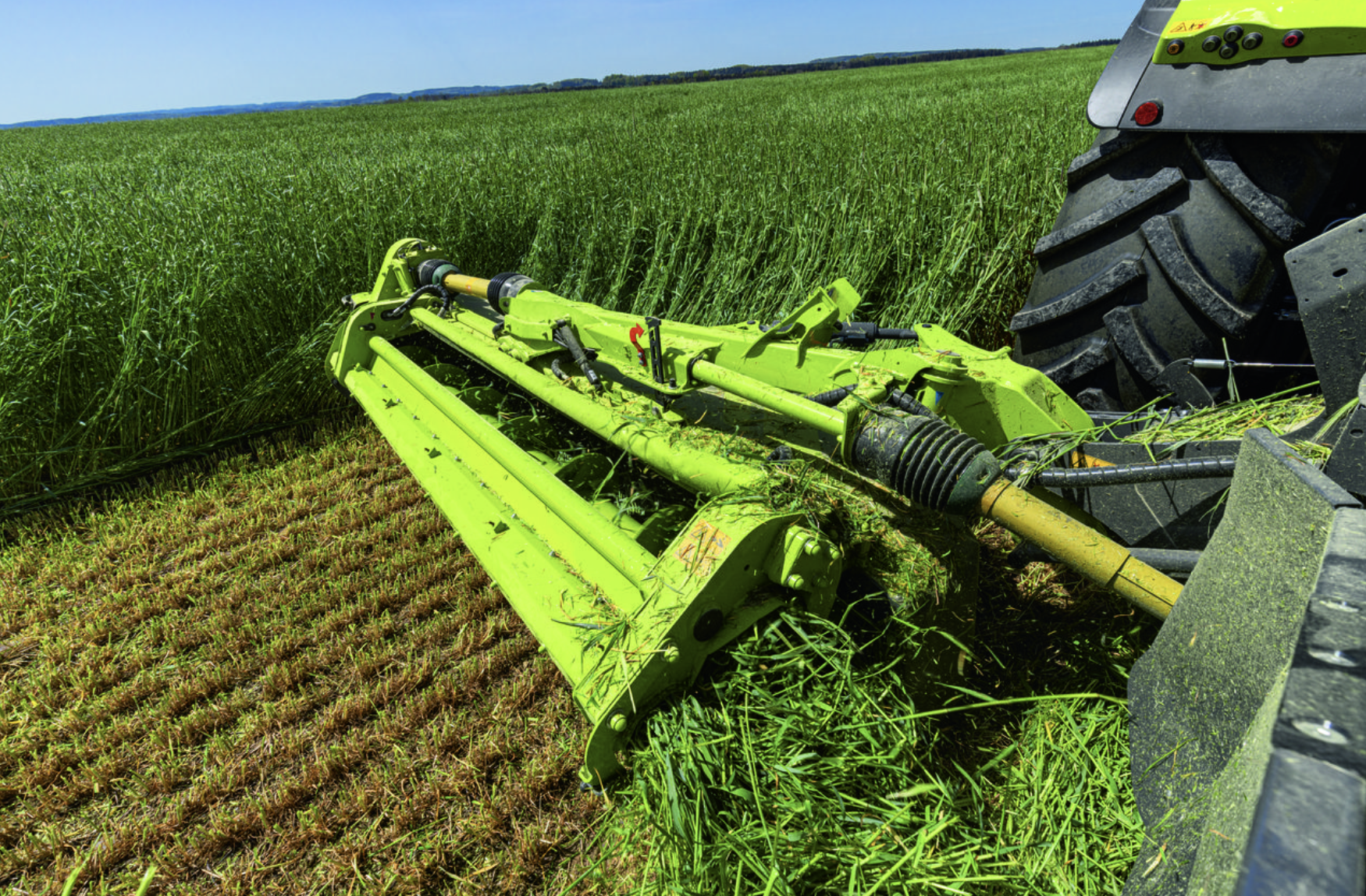
Claas - Disco
Mowing is no longer simply the first job in the silage season. It's the first decision in a harvest system where every machine that follows relies on consistent crop presentation to work at its best.
How forage is laid behind the mower influences wilting, raking, harvesting efficiency and ultimately the quality of feed stored for the months ahead. As New Zealand farmers continue to focus on producing high-quality homegrown feed, machinery that offers greater control over the mowing process is becoming an increasingly valuable part of the forage system.
The latest additions to the Claas Disco range have been developed with exactly that in mind.
Leading the range is the Claas Disco 9300 Direct Swather, combining a 9.10 m working width with the flexibility to either spread forage across the full cutting width or place it into a controlled swath – all without the need for a conventional conditioner.
Claas Harvest Centre Product Business Manager – Green Harvest Luke Wheeler says the machine gives farmers more options to match crop presentation to their harvesting system.
"Every forage operation is different. The ability to decide how the crop is laid behind the mower allows farmers and contractors to manage moisture loss, improve harvesting efficiency and better match the equipment following behind."
Rather than conditioning the crop, the Direct Swather uses hydraulically controlled cross-conveyor augers to provide four operating modes.
Operators can spread forage across the full mowing width to maximise the wilting area, form a clean central swath, consolidate two mowing passes into a larger swath for efficient raking for forage harvesting, or direct crop to one side for tidy edge mowing around fences, waterways and irregular paddock boundaries.
This flexibility allows operators to adapt quickly as crop conditions change throughout the season.
One practical advantage is the ability to consolidate approximately 18 m of mowing into a swath well suited to modern four-rotor rakes or self-propelled forage harvesters. Producing an even, consistent swath helps improve harvester throughput while reducing unnecessary machinery passes across the paddock.
Rather than adapting a traditional mower-conditioner design, Claas engineers drew inspiration from the Direct Disc front attachment used on the Claas Jaguar forage harvester.
The result is a tapered auger system mounted close and parallel to the mower discs. Increasing in diameter towards the centre, the augers move large volumes of crop efficiently while maintaining smooth crop flow, even in heavy first-cut grass.
Tapered auger housings with integrated crop pockets, combined with shear bars and anti-blockage knife arrangements, further improve feeding performance while keeping power requirements low.
Removing the conditioner also reduces driveline losses, meaning the Disco 9300 Direct Swather can operate behind tractors from around 180 hp. This gives many New Zealand dairy farms, mixed livestock businesses and contractors access to a large working width without stepping up to substantially higher horsepower tractors.
Reduced power demand can also contribute to lower fuel consumption, helping improve operating efficiency across the season.
For operations where crop conditioning remains the preferred option, Claas also offers the Disco 9300 C Auto Swather. Designed for high-output contractor applications and dense forage crops, it combines tine conditioning with cross-conveyor belts to accelerate wilting while producing consistent, well-formed swaths. A strengthened driveline, Hardox wear components and upgraded belt systems provide the durability required for demanding commercial workloads.
Automation is also becoming an increasingly important part of modern forage harvesting, and the Disco 9300 range reflects that shift.
Isobus compatibility allows mower functions to be controlled through the tractor terminal or Claas Cemis display, while headland management automates lifting and lowering sequences to reduce operator workload throughout long days in the paddock.
The optional automatic slope control system adjusts ground pressure when travelling uphill or downhill, helping maintain even cutting performance while protecting the pasture, particularly on rolling country. Automatic belt speed adjustment, reverse lift functions and load-sensing hydraulics further enhance productivity and ease of operation.
At the heart of every machine is the proven Claas Max Cut mower bed.
Its distinctive wave-shaped design positions the discs further forward for improved crop flow and cutting quality, while the permanently lubricated, unique bolted construction is engineered for durability and a long service life.
Features including Active Float suspension, Safety Link collision protection, Hardox wear inserts and tungsten carbide-coated knife holders all contribute to cleaner forage, reduced ash contamination and lower maintenance requirements over the life of the machine.
Wheeler says every stage of the forage harvest contributes to the final result.
"Good silage starts long before the forage reaches the stack or bale. By giving farmers greater control over how the crop is managed from the moment it's cut, they're in a stronger position to protect feed quality throughout the entire harvesting process."
As forage systems continue to evolve, New Zealand farmers are increasingly looking beyond individual machines and considering how every step of the harvest works together. The Claas Disco 9300 range has been developed with that whole-system approach in mind, helping farmers and contractors produce quality forage more efficiently from the first pass through the paddock.
Volto and Liner
The mower may start the harvest, and the baler may finish it, but what happens in between has just as much influence on the quality of the feed that ends up in the stack or bale.
In New Zealand's grass-based farming systems, every pass across the paddock plays a role in protecting the crop's nutritional value. How quickly forage dries, how gently it is handled and how consistently it is presented to the baler or forage harvester all contribute to producing high-quality silage and hay.
As farmers continue to focus on growing more quality feed from every hectare, attention is increasingly turning to the middle stages of the forage harvest – tedding and raking.
While often viewed as supporting operations, these two jobs can have a significant impact on forage quality, harvesting efficiency and the productivity of every machine that follows.
Claas Harvest Centre Product Business Manager – Green Harvest Luke Wheeler says the objective isn't simply to move grass around the paddock.
"Every pass should be adding value to the crop. Good tedding promotes faster, more even drying, while good raking presents a clean, consistent swath that allows the baler or forage harvester to operate at its best. Together, they help protect forage quality right through the harvest."
The first step is managing moisture. A well-timed tedding pass exposes more of the crop to air and sunlight, encouraging even wilting across the paddock. Uniform drying helps reduce the risk of heating, mould development and nutrient loss, while creating more consistent moisture levels for baling or chopping.
Even drying also means less moisture and weight moving through the harvest chain, improving efficiency for the machinery that follows.
The Claas Volto range has been developed to perform this task while treating the crop as gently as possible.
Available with working widths of up to 15.10 m, the Volto 1500 TS and Volto 1300 TS combine high daily output with features designed to maintain forage quality. Their Max Spread crop flow concept uses 29.3° angled tine arms to spread material evenly across the full working width, encouraging consistent drying without unnecessarily disturbing the crop.
"Uniform spreading is one of the biggest contributors to consistent dry-down," says Wheeler.
"When the crop dries evenly, farmers have more confidence that the entire paddock is ready to harvest at the same time."
For long days in the paddock, the trailed Volto models are designed to maintain momentum. Operators can turn up to 180° between passes without lifting fully into headland position, reducing unnecessary movement, protecting the sward and maintaining productivity throughout the day.
Durability is equally important for high-hour operators. Heavy-duty box-section frames, the Permalink finger clutch driveline, robust dual tines with integrated tine-loss protection and heavy-duty spreader arms are all designed to provide reliable performance season after season.
Once the crop has reached the desired moisture level, attention shifts to creating the ideal swath.
A consistent, well-formed windrow allows balers and forage harvesters to operate at a steady feed rate, improving output while helping reduce soil contamination and unnecessary leaf loss.
The Claas Liner 4000 has been developed with this objective in mind.
With working widths of up to 15 m, the four-rotor rotary rake forms clean, uniform centre windrows that are well matched to modern high-capacity balers and forage harvesters.
Excellent ground following and rotor suspension help maintain consistent raking performance across rolling country and uneven paddocks, while protecting both the crop and pasture.
Recent developments have also introduced a new level of automation to the raking process.
An optional GPS-based section control system automatically raises and lowers the rotors at the headlands using field position data. Rather than relying solely on operator timing, the rake lifts and returns to work automatically, helping maintain consistent windrow formation from one pass to the next.
The practical benefits include fewer missed or doubled sections, cleaner headlands, reduced crop contamination and less operator fatigue during long harvesting days.
"Automation isn't about replacing the operator," Wheeler says. "It's about allowing them to concentrate on the crop and machine performance while the technology takes care of repetitive tasks."
The LINER's four-rotor design continues to deliver the high throughput expected by contractors and progressive livestock farmers, but its greatest strength lies in producing a swath that allows every machine behind it to perform efficiently.
As forage harvesting technology continues to evolve, the focus is shifting beyond the capacity of individual machines to how well the entire system works together.
From mowing through to tedding, raking and baling, each stage influences the next. A crop that is evenly dried and consistently raked is easier to harvest, places less demand on machinery and is more likely to produce high-quality silage or hay.
"The best forage isn't produced by one machine," says Wheeler. "It's the result of every machine in the harvesting process doing its job well. Every pass has a purpose, and when each stage works together, the result is better feed, greater efficiency and more value from every hectare."
For New Zealand farmers, where homegrown forage remains one of the most valuable assets on the farm, that whole-system approach is becoming just as important as the performance of any individual machine.
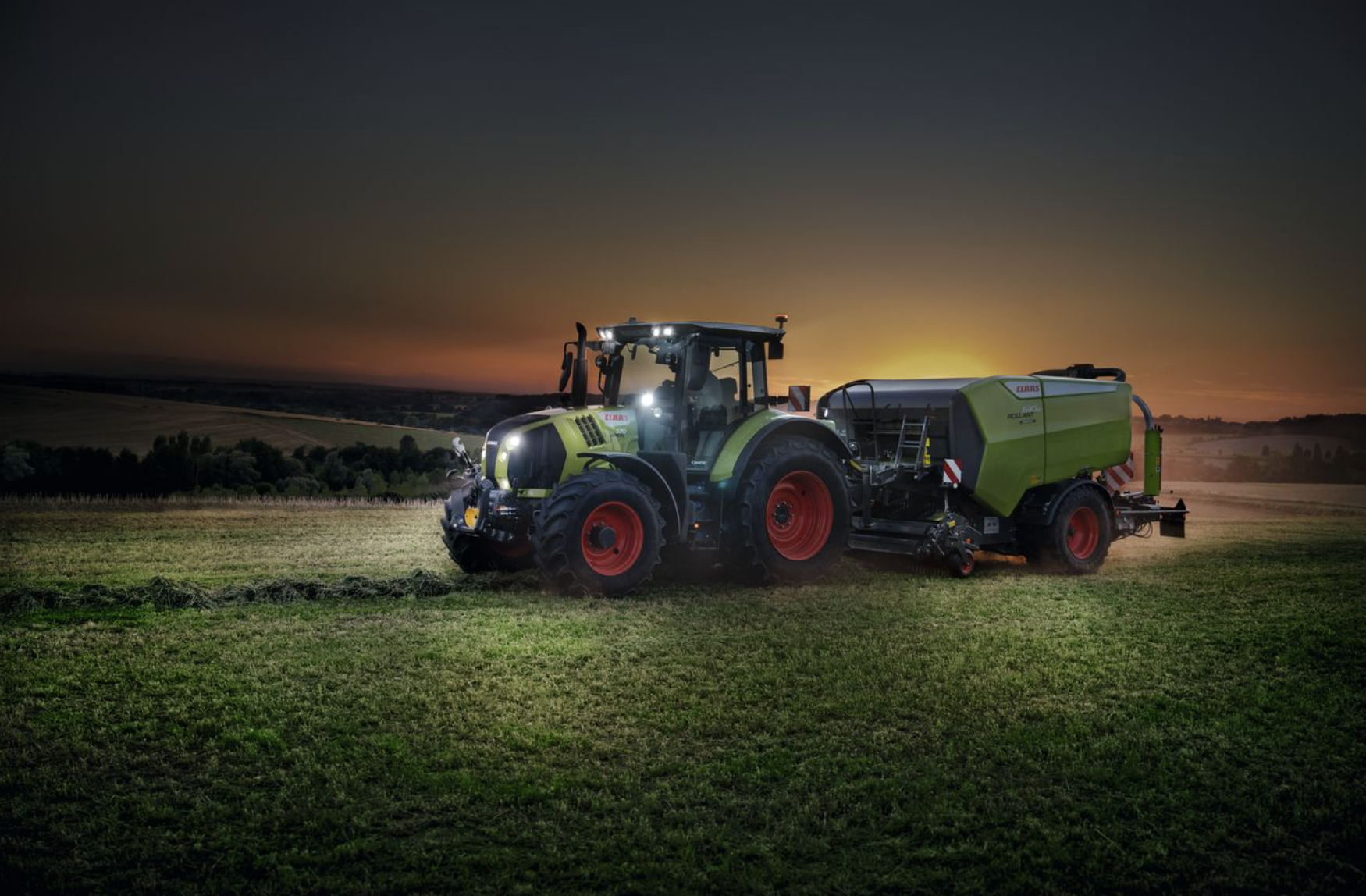
Rollant baler
High-quality forage doesn't happen by chance. It starts with producing dense, consistent bales that preserve valuable nutrients from the paddock through to the feed-out face. For New Zealand farmers, every bale represents an investment in next season's animal performance, making reliable baling and wrapping equipment an important part of the forage system.
The Claas Rollant 630 RC Uniwrap has become a trusted part of forage operations around the world, combining baling and wrapping in a single machine to help farmers and contractors work efficiently without compromising bale quality.
Built on decades of Claas fixed chamber baler experience, the Rollant Uniwrap is designed to produce consistently dense, well-shaped bales across a wide range of crops, from high-moisture grass silage through to hay and straw. Whether you're harvesting dairy silage in Southland, producing baleage in Waikato or putting away quality hay for the season, the machine is built to deliver reliable performance throughout the harvest.
One of the key strengths of the Rollant 630 RC Uniwrap is its ability to keep material flowing. The 2.10 m Multiflow HD pickup features five tine bars and an improved cam track design, allowing the machine to feed large volumes of crop smoothly, even during heavy first-cut silage. The wider pickup and efficient crop flow help operators maintain productivity while leaving the paddock clean behind them.
The Pro cutting system is available with either 17 or 25 knives, with each knife individually spring-protected to reduce the risk of damage from foreign objects. The automatically lowering Pro floor helps minimise blockages, while providing the operator with visual and audible alerts if crop flow begins to exceed the machine's capacity. Together, these features help keep operators moving during busy harvest periods, reducing downtime when every hour counts.
For Claas Harvest Centre Product Business Manager – Green Harvest Luke Wheeler, reliability is one of the machine's biggest strengths.
"The Rollant has been developed to handle demanding forage conditions while making life easier for the operator. Features like the PRO floor, improved driveline and HD pickup help maintain productivity through long harvesting days."
The machine's renowned Maximum Pressure System (MPS) continues to be one of its defining features. Three hydraulically loaded rollers apply pressure early in the bale formation process, producing dense, consistently shaped bales with excellent compaction. High-density bales not only make better use of storage and transport but also help improve silage fermentation and preserve valuable feed quality.
Once the bale leaves the chamber, the integrated wrapper keeps the process moving. With baling and wrapping completed by a single machine, operators spend less time handling bales and can maintain a steady workflow across the paddock.
The Uniwrap carries up to 14 film rolls, providing enough capacity for long working days before replenishing consumables. Operators can choose to wrap with either net or film, including Coatex film binding, which improves bale sealing while reducing the amount of material that needs to be disposed of after feeding.
"The option to use film instead of net provides excellent bale sealing and simplifies recycling at the end of the season," says Wheeler. "It's a practical solution for farmers looking to maximise forage quality while reducing handling."
Operator comfort has also been refined. The Cemis 700 terminal provides straightforward control of the baler and wrapper functions from the tractor cab, while the optional camera system gives operators a clear view of the wrapping process without leaving their seat. Improved access around the wrapping system also makes changing film or net rolls quicker and easier.
The Rollant 630 RC Uniwrap reflects Claas' ongoing commitment to refining proven machinery rather than reinventing it. Continuous improvements to components such as the driveline, chain lubrication, pickup design and operator controls help deliver the durability and performance farmers and contractors expect from a machine that spends long days in demanding conditions.
For New Zealand forage operations, success often comes down to making the most of every opportunity the weather provides. The Claas Rollant 630 RC Uniwrap combines proven technology with practical refinements to help farmers and contractors produce high-quality silage and hay efficiently, season after season.
ForestQuip- Fransgård
The humble rake rarely receives the same level of attention as a mower, baler or forage harvester, but anyone involved in making quality conserved feed knows it can have a major influence on the final result.
A good rake does far more than simply gather grass into a row. It helps preserve feed quality, reduces contamination, creates a consistent swath for the following machine and ultimately contributes to harvesting efficiency. Get it wrong and valuable dry matter can be lost long before the crop reaches the stack, bale or feed pad.
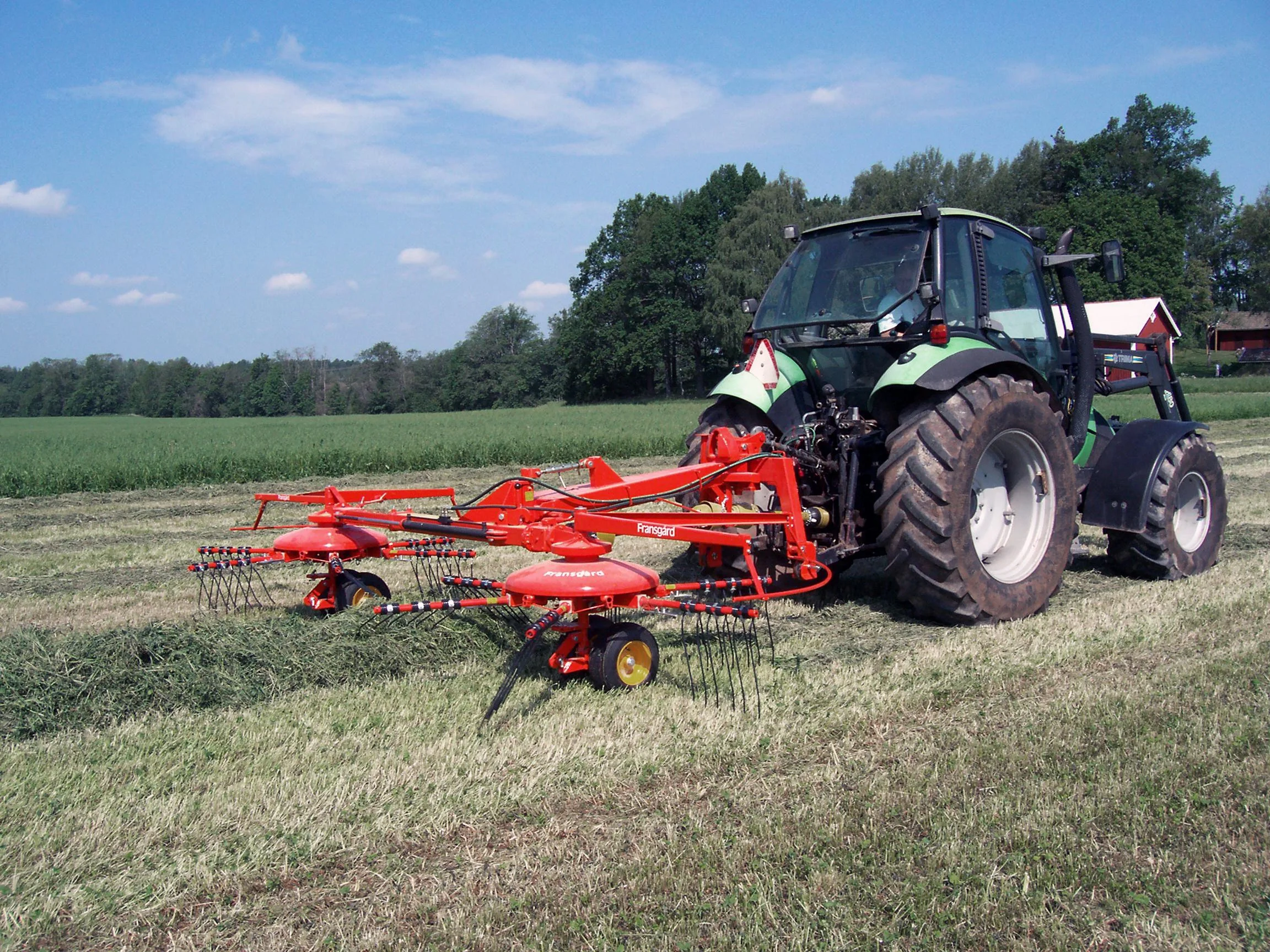
That is where machines like the Fransgård TI-6000 have carved out a strong reputation.
Built in Denmark and distributed in New Zealand by ForestQuip, the TI-6000 is a twin-rotor combi rake designed to give operators flexibility in how they manage forage. Rather than being limited to a single raking pattern, the machine can rake to the centre, rake to the side, create two swaths in one pass and even perform limited spreading duties when conditions require it.
That versatility is one of its biggest selling points.
Modern forage systems are increasingly focused on efficiency. Weather windows can be short and contractors often need machinery capable of adapting to different crops, field conditions and harvesting systems. A rake that can perform multiple tasks without requiring additional machinery has obvious appeal.
The TI-6000 operates with a working width adjustable from 4.6 m through to 6.2 m, allowing operators to tailor swath size to suit the pickup width of the following machine. Hydraulic adjustment means changes can be made quickly as conditions change across a paddock or between crops.
That flexibility becomes particularly valuable when working with different harvesting equipment. A contractor moving between round balers, square balers and forage harvesters can alter swath width to match the machine following behind rather than being locked into a fixed setup.
For operators looking to maximise efficiency, the ability to side rake is equally useful. The TI-6000 can merge multiple swaths together and, under suitable conditions, combine two swaths in a single operation. That reduces the number of passes required and helps improve harvesting productivity.
The design itself reflects Fransgård's long-standing focus on practical machinery.
The rake uses two rotors, each fitted with six arms carrying three rake spring assemblies per arm. The arrangement is designed to produce a light, fluffy swath while handling forage gently to minimise leaf loss and crop damage.
That gentler handling is increasingly important as farmers place greater emphasis on feed quality. Every unnecessary movement of the crop has the potential to knock valuable leaf material from lucerne, clover and other high-value forage species. A rake that lifts and rolls material cleanly rather than dragging it through the stubble helps retain feed value.
The TI-6000 also incorporates closed ball bearings within the cam track system, removing the need for lubrication and reducing routine maintenance requirements. In an environment where labour is often stretched and machinery fleets continue to grow, reducing maintenance demands can make a meaningful difference over the course of a season.
Ease of adjustment appears throughout the machine.
Rotor height can be fine-tuned to suit crop conditions and field surfaces, while the cam track system offers multiple adjustment positions. The working height can also be adjusted centrally, helping operators achieve a clean rake without pulling dirt and stones into the swath.
That matters because forage contamination remains one of the biggest quality issues in silage and hay production. Soil contamination not only affects feed quality but can also increase wear on harvesting equipment further down the line.
For New Zealand conditions, the machine's terrain-following ability is another important consideration.
The TI-6000 features a pivoting headstock arrangement that allows the rake to trail smoothly behind the tractor and automatically return to centre when lifted. Large wheels beneath each rotor help maintain stability while allowing the machine to follow ground contours effectively.
Anyone who has worked on rolling country understands the value of machinery that can maintain a consistent working height across uneven terrain. The better the rake follows the ground, the cleaner the finished swath.
Transport is often overlooked when discussing rakes, yet it becomes increasingly important as farm sizes grow and contractors travel longer distances between jobs.
Despite offering a working width of up to 6.2 m, the TI-6000 folds down to a compact transport width of approximately 2.5 m. Rotor components and guards can be repositioned for transport, making the machine easier to move safely between properties.
Capacity figures of four to eight hectares per hour place the machine firmly in the category of productive mid-sized rakes capable of keeping pace with modern mowing and baling operations. Depending on crop volume and field conditions, that level of output is sufficient for a wide range of dairy, drystock and contracting applications.
Power requirements remain relatively modest, with Fransgård specifying around 30 kW to 60 kW depending on configuration and operating conditions. That means the rake can be operated behind a wide range of tractors already found on New Zealand farms.
Perhaps the strongest endorsement of the TI-6000 is that it focuses on the fundamentals. It is not attempting to overwhelm operators with unnecessary complexity. Instead, it offers flexibility, gentle crop handling, straightforward adjustment and the ability to adapt to different harvesting systems.
For farmers and contractors looking to maximise forage quality while maintaining productivity, that combination remains highly relevant.
Krone
Krone continues to advance its hay and silage equipment range, delivering innovations that improve efficiency, crop quality and overall productivity across the forage cycle. From mowing and conditioning through to raking and high-density baling, the latest developments are designed to help New Zealand operators maximise output while reducing labour and operational costs.
Advanced mowing and conditioning
At the cutting stage, Krone EasyCut mower range offers a highly versatile lineup suited to a wide range of farming systems. With front, rear and butterfly combinations, as well as trailing and linkage configurations, operators can tailor their setup to match crop type and terrain. This flexibility supports more efficient harvesting and improved yield outcomes.
A key focus is faster drying without compromising crop quality. Krone provides two conditioning systems to suit different forage types.
The M-Roll steel conditioner is designed for delicate leafy crops, such as lucerne and alfalfa, preserving leaf structure while promoting even drying. Meanwhile, the CV flail conditioner delivers more aggressive conditioning for coarser crops, enabling faster moisture reduction in tougher materials.
Efficient tedding and raking
Krone’s tedders and rakes are engineered to maintain consistent crop handling between cutting and baling. The tedder range stands out for its durability, with the same robust design applied across working widths from 4.7 m to 20 m. This ensures reliable performance across all machine sizes during intensive harvest periods.
The Swadro rake range plays a critical role in forming uniform windrows. With options ranging from single-rotor machines to large multi-rotor units like the six-rotor TC2000, these rakes deliver clean, evenly structured swaths while minimising contamination.
Consistent windrow formation is essential for efficient baling and maintaining forage quality.
Together, these machines ensure that crops are evenly dried and optimally presented to the baler, improving overall system performance.
High-Density Baling Innovation
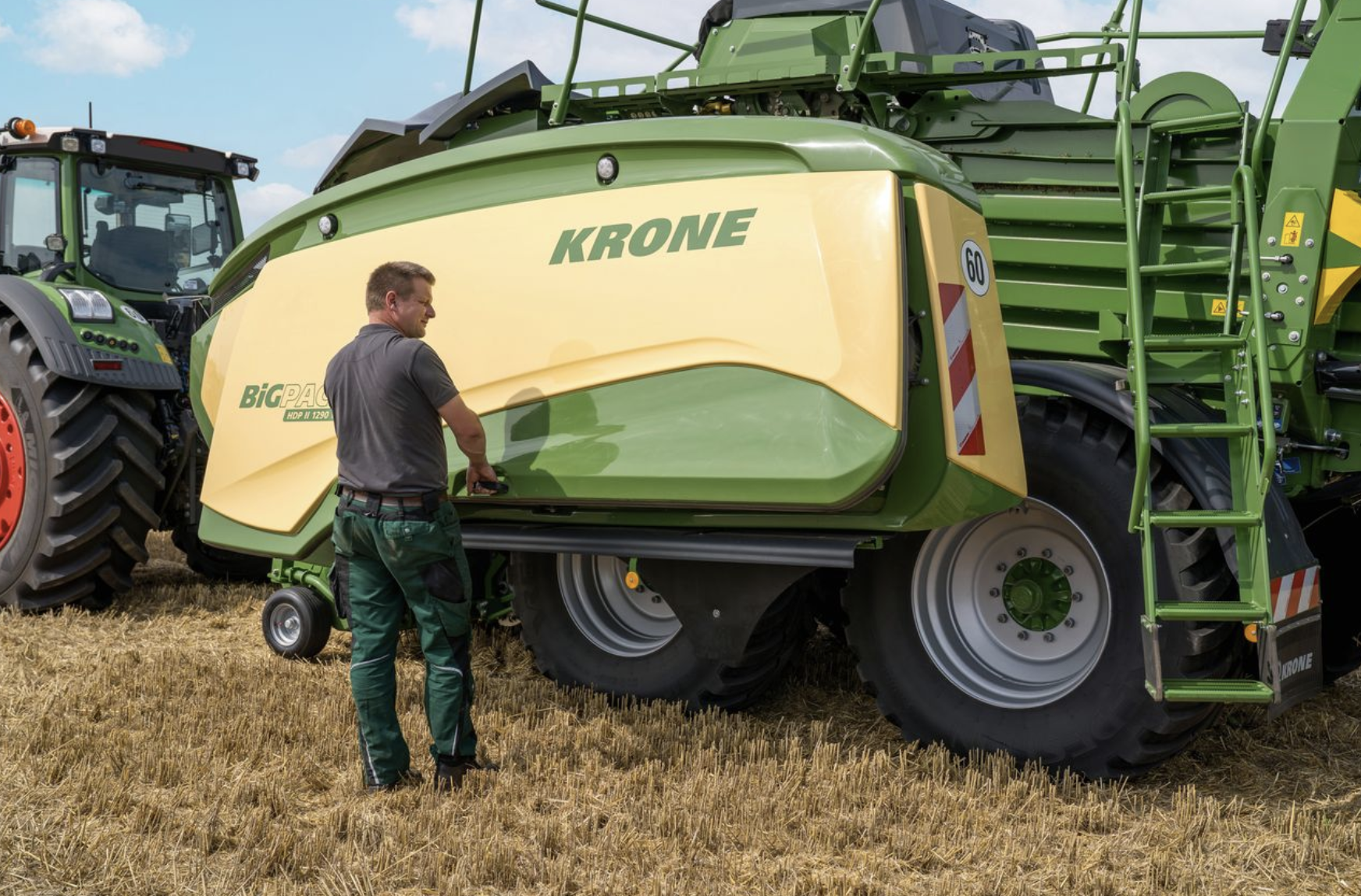
Krone’s latest advancement in baling comes with the BiG Pack 1290 HDP II (VC), a next-generation large square baler designed for high-output operations.
Developed and proven in New Zealand conditions, the machine focuses on increasing productivity while reducing handling and transport costs.
At its core is Krone’s High Density Press technology, which produces significantly heavier bales compared to conventional balers. This reduces the number of bales produced per paddock and improves transport efficiency by increasing payloads per truck.
For contractors and export hay producers, these gains can translate into meaningful cost savings.
The crop intake system has also been enhanced, featuring the EasyFlow Active pick-up and a hydraulically adjustable crop press roller for consistent feeding, even in short or brittle conditions. A large rotor then ensures smooth, high-capacity crop flow into the bale chamber.
Bale quality and consistency
Bale uniformity is improved through Krone’s variable filling system (VFS), which ensures consistently shaped, square-edged bales regardless of swath size or operating conditions.
Hydraulic pressure control within the bale chamber maintains even density, resulting in bales that are easier to stack, store and transport.
The baler also features Krone’s V-Knotter system, designed to secure bales under extreme compression while avoiding twine offcuts in the paddock.
The PowerClean system further supports reliability by keeping knotters free from dust and debris, reducing downtime during long working days.
Smart technology and operational gains
Modern forage equipment increasingly relies on smart technology, and Krone integrates several systems to improve usability and efficiency.
The AutoCheck maintenance system allows operators to safely carry out diagnostics and servicing tasks, reducing downtime and simplifying routine checks.
Full ISOBUS compatibility, along with features such as moisture sensing, bale weighing and telematics, enables real-time monitoring and better decision-making in the field.
These capabilities are particularly valuable for large-scale and contractor operations where precision and timing are critical.
A complete forage system
While each machine performs a specific function, Krone’s latest innovations highlight the importance of a fully integrated approach to hay and silage production.
Efficient crop flow from mowing through to baling reduces losses, improves forage quality and increases output per hectare.
For New Zealand producers dealing with rising costs and labour constraints, these advancements offer practical benefits. Improved productivity, enhanced bale density and smarter technology combine to deliver a more efficient and profitable forage operation.
Origin Ag - Pöttinger Novacat V 8400 and V 9200
As mower combinations continue to grow in size and output, one challenge has become increasingly apparent. Building a machine capable of covering 9 m of ground is relatively straightforward. Building one that can maintain cutting performance, adapt to varying front mower combinations, follow uneven terrain and transport safely between paddocks is considerably more difficult.
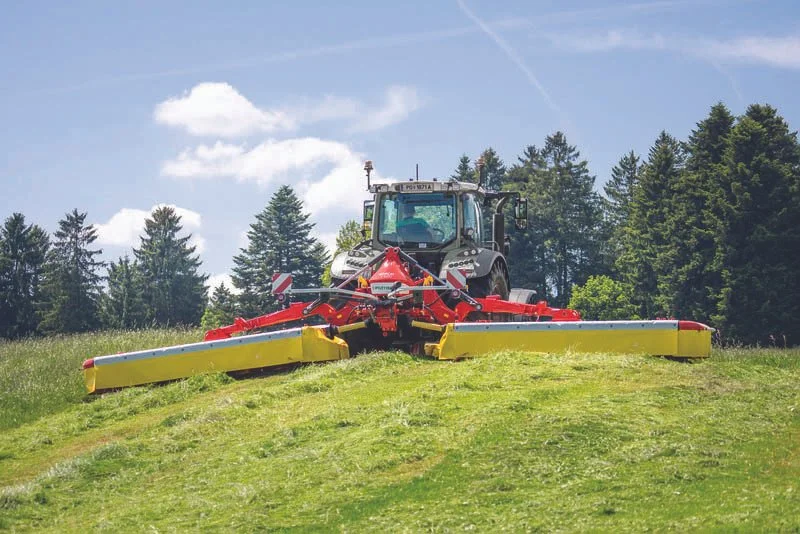
Positioned between the company's fixed-width S-Series mower combinations and the larger V 10000, the V 8400 and V 9200 have been designed around one key principle: flexibility. Rather than offering a single fixed working width, these mower combinations allow operators to vary overlap and working width depending on tractor setup, terrain and front mower configuration.
The result is a machine that can adapt to a wider range of operating conditions without compromising cutting quality or productivity.
The engineering starts with the centre-pivot mounting system.
Unlike side-pivot mower combinations where each mowing unit is supported from one side, the Novacat V-Series uses a centre-mounted suspension arrangement. This enables the cutter bars to float more evenly across the full cutting width while maintaining more consistent ground pressure. Pöttinger's development work around what it refers to as "floating cut" technology has focused on ensuring the cutter bar follows the ground rather than being forced into it. The objective is to maintain cutting consistency while reducing power requirements and contamination risk.
The V 8400 offers a variable working width from 8.12 m to 8.36 m, while the larger V 9200 extends from 8.95 m to 9.20 m. That adjustment may sound relatively modest on paper, but it plays an important role in maintaining overlap between the rear mower units and the front mower. Different tyre sizes, track widths and operating conditions can all influence overlap requirements. By allowing the rear units to be adjusted hydraulically, operators can optimise coverage while minimising unnecessary overlap and wasted power.
In practice, this means the mower combination can be tailored to suit a range of front mower configurations rather than forcing operators into a fixed setup.
The suspension system is equally significant.
Large mower combinations generate substantial dynamic loads as they move across uneven terrain. Maintaining consistent ground pressure across the cutter bar becomes increasingly important as working widths increase. Excessive pressure creates wear and contamination, while insufficient pressure can compromise cut quality.
Pöttinger addresses this through a suspension arrangement designed to distribute load evenly across the cutter bar. The centre pivot concept allows each mowing unit to react independently to terrain variations while maintaining support across the full cutting width. This becomes particularly important on rolling country, where one side of the machine may be operating under very different conditions to the other.
At the cutting interface, the V-Series benefits from the same cutter bar technology used throughout Pöttinger's premium mower range.
Manufactured in Austria, the cutter bar features a remarkably low-profile design measuring just 4 cm in height and 28 cm in width. This geometry allows the cutter bar to follow ground contours closely while promoting efficient crop flow across the mower bed. Integrated cleaning paddles prevent material accumulation on the cutter bar surface while the oval disc design improves crop transfer through the machine.
The welded cutter bar construction also plays an important role.
Rather than relying on multiple bolted sections, the welded design provides strength while maintaining a compact profile. An additional benefit is long-term sealing integrity, helping keep oil where it belongs and reducing the risk of leakage over the life of the machine.
Power transmission is handled through Pöttinger's well-established Tri Drive system.
This driveline design uses a straight-line arrangement of large bevel gears operating within an oil bath. One of the standout engineering features is that three gear teeth remain engaged simultaneously during operation. By spreading load across multiple contact points, stresses on individual gear teeth are reduced while power transmission remains smooth and efficient. The gear surfaces are precision ground to reduce noise and improve durability under heavy workloads.
For contractors and large-scale operators, durability is a major consideration.
The V-Series incorporates twin-race taper bearings supporting the mower discs, with bearing spacing designed to absorb shock loads effectively. High-strength stub shafts are bolted directly to the gear assemblies, allowing individual components to be replaced if required. The modular cutter bar construction also simplifies servicing, with gear and bearing assemblies removable as complete units.
Conditioning options further expand the machine's versatility.
Both the V 8400 and V 9200 are available with either the Extra Dry (ED) tine conditioner or the RC roller conditioner. The ED system uses hardened V-shaped steel tines mounted on flexible rubber blocks to aggressively condition forage and accelerate moisture loss. Conditioning intensity can be adjusted by altering the gap between the tines and counter flap, allowing operators to match performance to crop conditions.
For crops such as lucerne and clover, the RC roller conditioner offers a different approach. Intermeshing polyurethane-profile rollers crimp stems rather than striking them, helping preserve leaf material while still promoting rapid drying. Roller pressure and spacing are adjustable, while the system can accommodate foreign objects by opening up to 120 mm between rollers when required.
Output figures underline the capability of the platform. The V 8400 is rated at up to 10 ha/hr while the V 9200 increases that figure to 12 ha/hr. Working widths approaching 9 m allow operators to cover large areas quickly while maintaining the flexibility required to suit varying operating conditions.
Ultimately, the Novacat V 8400 and V 9200 are not simply larger mower combinations. Their engineering focus is centred on adaptability. Variable working widths, centre-pivot suspension, advanced cutter bar technology and interchangeable conditioning systems combine to create machines capable of adapting to a wide range of crops, tractors and field conditions.
Alpha Motion Pro
When it comes to mower development, most attention tends to focus on cutting width, conditioning systems and output. Yet one of the greatest challenges facing mower designers remains something far more fundamental.
Keeping the cutter bar in the right position relative to the ground.
It sounds simple enough, but as operating speeds increase and machines are expected to perform across increasingly varied terrain, maintaining a consistent cutting height becomes considerably more difficult. Every hollow, ridge, wheel track and contour change places demands on the mower suspension system. The better the mower can react, the more consistent the cut and the less stress is placed on both the machine and the ground beneath it.
That challenge sits at the centre of the Pöttinger Novacat Alpha Motion Pro.
Rather than focusing solely on the cutter bar itself, Pöttinger has spent decades refining the way the entire mower interacts with the ground. The result is a front mower platform built around one of the most distinctive suspension systems currently available.
At the heart of the Alpha Motion Pro is what Pöttinger describes as an active support frame.
Unlike many conventional front mower designs where the cutter bar pivots beneath a relatively fixed mounting structure, the Alpha Motion system allows the mower and support frame to move together as a complete assembly.
The practical result is a mower that is constantly adapting to terrain changes rather than simply reacting to them.
As the tractor moves across uneven ground, the support frame actively follows the contour. The cutter bar rises over humps and drops into hollows while maintaining a more consistent working position relative to the soil surface. This movement is achieved through sophisticated linkage geometry that allows the mower to operate through a vertical range of -9° and +12°.
For operators working on rolling country, that capability can make a significant difference.
Maintaining cutting consistency across variable terrain has traditionally involved compromise. Either the mower is set aggressively and risks scalping, or it is set conservatively and leaves valuable crop behind. The Alpha Motion concept aims to reduce that compromise by allowing the mower to remain closer to its intended working height throughout the full range of movement.
The suspension system itself is equally important.
Two large suspension springs are integrated directly into the headstock assembly. Rather than simply supporting machine weight, these springs provide continuous weight alleviation throughout the mower's working range. Ground pressure therefore remains more consistent as the mower moves through changing terrain.
From an engineering perspective, this is one of the key strengths of the system. Weight transfer remains stable regardless of mower position, helping prevent excessive loading of the cutter bar while reducing pressure on the soil surface.
The mower's ability to follow the ground is further enhanced through gimbal-mounted linkage arms that provide an impressive +/-16° of transverse movement.
This side-to-side articulation allows the cutter bar to remain aligned with uneven terrain without placing excessive strain on the frame structure. For New Zealand operators dealing with rolling paddocks and varying contours, this additional freedom of movement provides another layer of ground-following capability.
An often-overlooked benefit of the Alpha Motion design lies within the driveline itself.
Because mower movement occurs largely within a vertical plane, telescoping movement within the PTO shaft is significantly reduced. Minimising PTO movement reduces dynamic loading on driveline components and contributes to smoother power transfer throughout the system.
Reduced stress on driveline components can have a direct impact on durability, particularly for contractors covering large seasonal workloads.
The cutter bar itself reflects the same engineering-first approach.
Manufactured in Austria, Pöttinger's cutter bar has been developed around a low-profile design intended to maximise ground tracking and crop flow. Measuring only 4 cm in height and 28 cm in width, the cutter bar presents a remarkably flat profile to the ground.
That low profile allows the mower to operate closer to the terrain while reducing drag and helping maintain a consistent cutting height.
Integrated cleaning paddles prevent material build-up on the cutter bar surface, while the blade layout has been designed to create overlapping cutting paths across the full working width. The blades rotate close to both the cutter bar surface and the counter knife, producing a clean and uniform cutting action.
Power transmission within the cutter bar is handled through Pöttinger's Tri Drive system.
Rather than relying on smaller gear arrangements, the Tri Drive design uses large spur gears operating in a straight-line configuration. Three gear teeth remain engaged simultaneously during operation, spreading loads across multiple contact points and reducing stress concentrations within the driveline. The gears operate within an oil bath and feature specially ground surfaces to promote smooth running and minimise wear.
Durability has also been engineered into the cutter bar structure itself.
High-strength stub shafts are bolted directly to the gears, making replacement straightforward if required. Twin-race taper bearings provide additional load-carrying capacity, while the modular construction allows gear and bearing assemblies to be removed as complete units during servicing.
This modular approach reflects an increasing trend in agricultural machinery design where maintainability is considered alongside performance.
The Alpha Motion Pro also offers considerable flexibility through its conditioning options. Operators can specify either the Extra Dry tine conditioner or the Roller Conditioner Belt system, depending on crop requirements. The tine conditioner uses hardened steel V-shaped tines to aggressively condition forage and accelerate moisture loss, while the roller conditioner employs intermeshing rollers designed to crimp stems without causing excessive leaf damage in sensitive crops such as lucerne and clover.
Recent updates to the Alpha Motion Pro platform have focused heavily on usability. A folding front guard provides improved access to the cutter bar, suspension adjustment has been simplified, and centralised greasing points reduce routine maintenance requirements. Optional hydraulic side guard folding further improves convenience during transport and field changes.
Ultimately, what sets the Novacat Alpha Motion Pro apart is not a single feature but the way multiple engineering solutions work together.
The active support frame, advanced suspension geometry, gimbal movement, low-profile cutter bar and Tri Drive transmission system all contribute towards the same objective: maintaining cutter bar position as accurately as possible regardless of terrain.
For operators demanding consistent mowing performance across New Zealand's often challenging ground conditions, that engineering focus is where the Alpha Motion Pro establishes its reputation.
Kverneland
Kverneland advances forage efficiency for contractors with the updates in their forage range.
Kverneland has introduced a range of updates across its forage equipment lineup, focused on increasing output, simplifying operation and improving ground adaptation. These developments are well-aligned with the needs of New Zealand contractors, where efficiency and reliability are critical during narrow harvesting windows and working across some extreme contours.
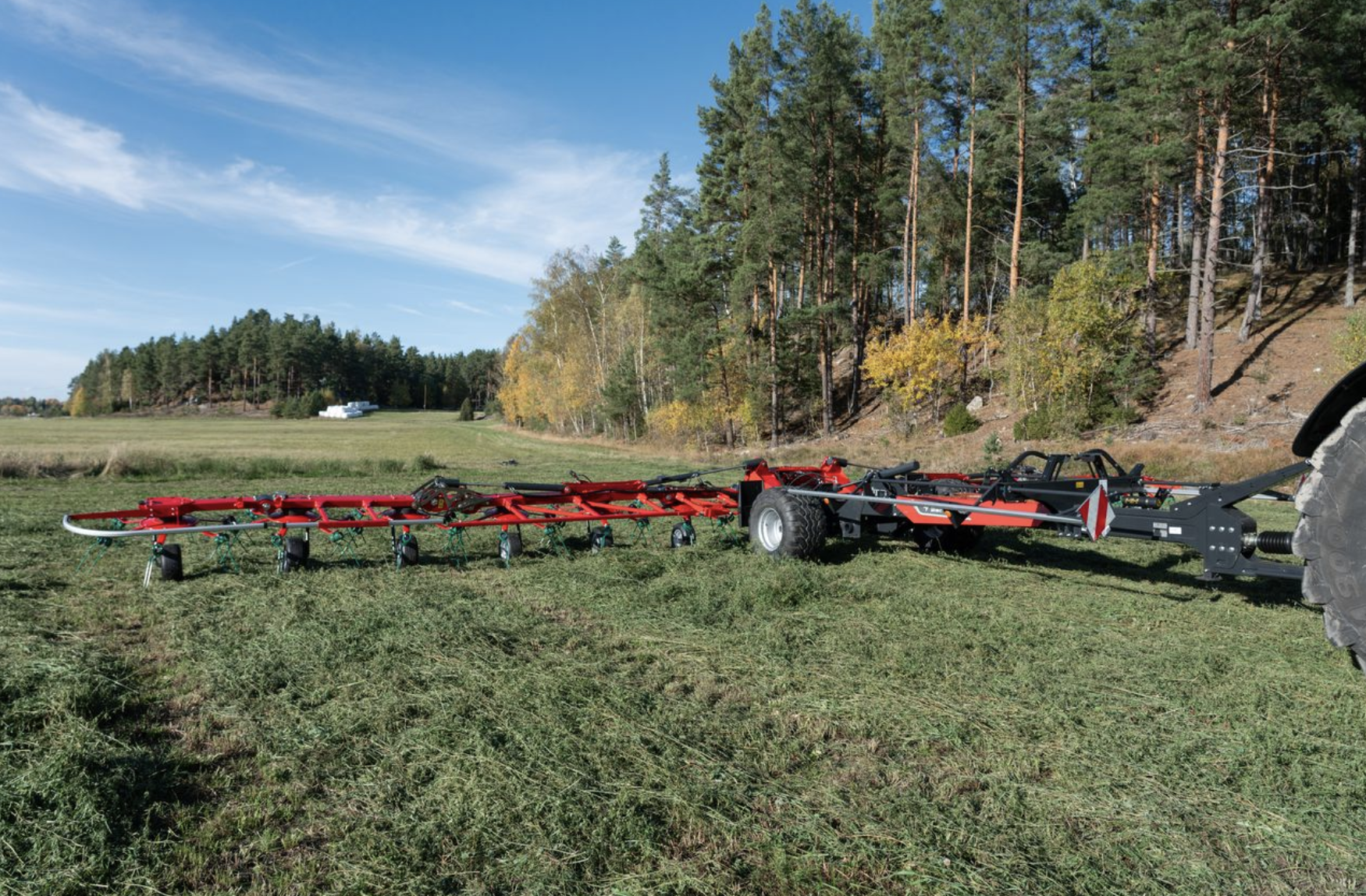
High-capacity tedding: 85134C and 85156C
At the large-scale end of the market, the Kverneland 85134C and 85156C tedders are designed to deliver high work rates while maintaining forage quality.
The 85156C, with its 15.6 m working width and 14 rotors, provides substantial coverage for large operations.
A key feature is the TerraFlow ground-following system, which allows each rotor to adapt independently to ground contours. This ensures consistent tine-to-ground distance, resulting in cleaner forage with reduced soil contamination, even crop distribution across the full working width and improved drying performance.
This level of ground adaptation is particularly valuable in uneven, undulating paddocks, helping maintain feed quality and reducing the need for repeat passes.
The machines are also built with simplicity and durability in mind. With minimal greasing points and largely maintenance-free drivelines, downtime is kept to a minimum. Operation is straightforward, requiring only basic hydraulic controls, while the sub-3 m transport width allows for efficient safe road travel between jobs.
New plain front mowers: 2832F and 2836F
Kverneland has also refreshed its front plain mower offering with the 2800 F series, including the 2832F and new 2836F models, expanding capacity and improving ease of use.
The addition of the 3.6 m 2836F increases output and provides better overlap when working in combination with rear mowers or a butterfly combination, boosting efficiency in the wider mowing setups.
A significant improvement is the direct tractor coupling system, eliminating the need for an A-frame. This simplifies attachment, improves weight distribution and enhances operator visibility.
Improved ground following and protection
The updated suspension system enables the mower to operate independently from the tractor linkage, with 430 mm upward and 210 mm downward movement and a 17° lateral pivoting range, ensuring a consistent cutting height over undulating terrain.
In addition, the NonStop BreakBack system protects the cutterbar by allowing the unit to move back and up when obstacles are encountered, reducing the risk of damage.
Further enhancements include efficiency features like the two-speed driveline (1000 rpm or 750 rpm) to optimise fuel consumption in light multi-cut systems. Optional hydraulic folding side guards for fast transition between work and transport is a nice option now found in this range.
CurvePilot joins the specification line-up for the 55100 MT range
Kverneland has also upgraded its top-tier segment with the 55100 MT triple mower range with the addition of CurvePilot, an automated system designed to optimise mowing through turns.
CurvePilot adjusts the position of the rear mowers during cornering to maintain full cutting coverage, eliminate missed strips, reduce overlap and avoid unnecessary re-cutting.
This improves overall mowing efficiency, particularly in irregularly shaped paddocks or when operating at higher speeds. It also reduces the operator’s workload, helping maintain consistent results across long working days.
Designed for a modern contracting environment
Across these updates, Kverneland has focused on practical improvements that directly impact contractor performance, increase hectare coverage, improve forage quality through better ground following, reduce maintenance requirements or simply simplify operation to cater for different skill levels.
From the high-output 85156C tedder, the refined 2832F plain front mower and the precision offered by CurvePilot, the latest developments highlight a clear direction from Kverneland.
Deliver more efficient, user-friendly machinery suited to today’s contracting demands.
Fendt
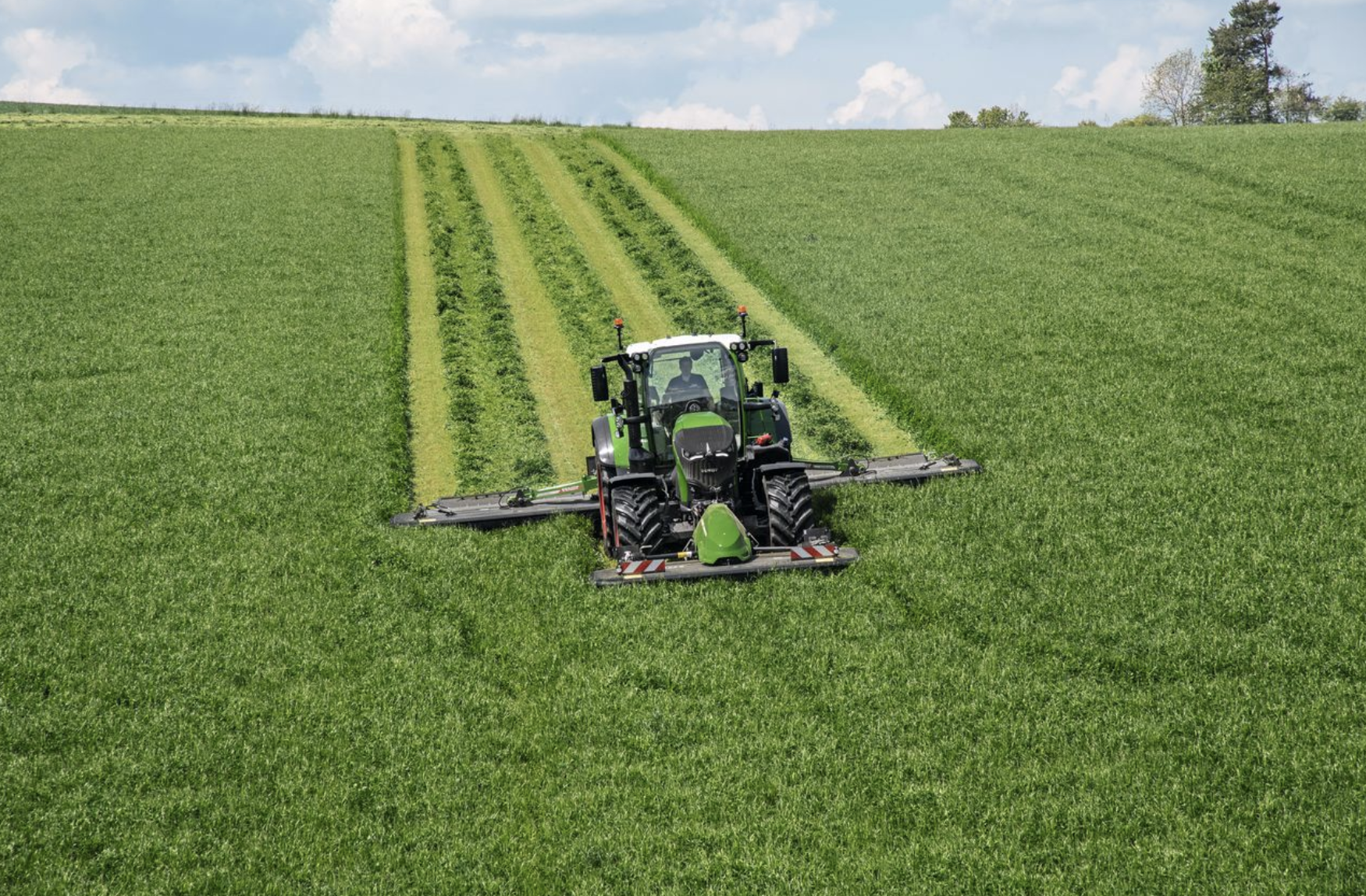
Fendt has announced the latest evolution of its high-performance Slicer rear butterfly mower range, engineered to deliver exceptional cutting quality, reduced fuel consumption and unmatched efficiency for contractors and large-scale farming operations. The new lineup – including the Slicer 960 and Slicer 1010 series – brings wider working widths, advanced conditioning options and intelligent automation to New Zealand’s demanding forage sector.
Designed for operators who need to cover large areas quickly without compromising crop quality, the Fendt Slicer butterfly mowers combine working widths up to 10.10 m, ISOBUS-enabled automation and Fendt’s renowned cutter bar for clean, consistent cutting in all conditions.
“These mowers are built for contractors who demand reliability, speed and premium forage results,” said Mark Hamilton-Manns, Product Marketing Manager. “The Slicer range delivers the capacity of a large-scale machine with the precision and durability Fendt is renowned for.”
The Fendt Slicer butterfly mower range is built around two main working width platforms: the Slicer 960, which offers cutting widths between 9.30 and 9.60 m, and the larger Slicer 1010, which extends the working width to between 9.80 and 10.10 m.
Both models use a pair of cutter units, each equipped with seven cutting discs, giving them the capacity to handle high-volume forage crops with consistent cutting quality.
“For operators wanting a simple mower only, Fendt also has the Slicer 860, offering cutting widths up to 8.6 metres,” Hamilton-Manns added.
The Slicer 960 and 1010 are available with a choice of conditioning systems. The KC tine conditioner provides an aggressive conditioning action for rapid drying, while the RC roller conditioner uses intermeshing rollers to treat delicate crops, such as lucerne, more gently.
Contractors will be pleased to know that a steel-on-steel conditioner is also available.
Operators who want more automation can choose the PRO versions, which include full ISOBUS control, allowing the mower’s ground pressure, lift functions and conditioning settings to be adjusted directly from the tractor terminal.
For operations that want to form swaths without a rake, the KCB and RCB PRO models add integrated belt groupers, enabling the machine to lay the crop into a single or double windrow.
A unique feature in the KC PRO versions is auto conditioning intensity.
Auto conditioning intensity is designed to take the guesswork out of achieving the ideal crop finish by automatically adjusting the conditioner’s intensity based on the crop type, volume and field conditions. Using the mower’s ISOBUS-enabled PRO control system, the machine utilises tractor-based sensors or satellite prescription maps to monitor crop moisture and automatically adjust the conditioning intensity.
When combined with section control, the mowers will automatically adjust across a paddock and create uniform dry-down and improved forage quality with reduced spoiling.
Despite their large working widths, all Slicer butterfly mowers fold to a transport height of under four metres, making road travel safe and compliant.
The machines follow ground contours exceptionally well thanks to a pendulum travel range of -19° to +26°, which helps maintain an even stubble height across uneven paddocks.
The mowers are powered by Fendt’s streamline cutter bar, a design known for its durability, low maintenance requirements and efficient power transfer. This cutter bar allows the machine to operate effectively at reduced PTO speeds, such as 850 rpm, helping to lower fuel consumption without compromising performance.
McHale - Fusion 4 Integrated Baler Wrapper
Finding good labour has become one of the biggest challenges facing agricultural contractors and larger farming businesses. Crops today are often heavier than they were a decade ago and every hour of good baling conditions has become increasingly valuable. That combination has forced machinery manufacturers to think differently about productivity. Increasing output is no longer simply a case of building larger machines. The focus has shifted towards reducing the number of passes across the paddock, minimising downtime and making every operator more productive.
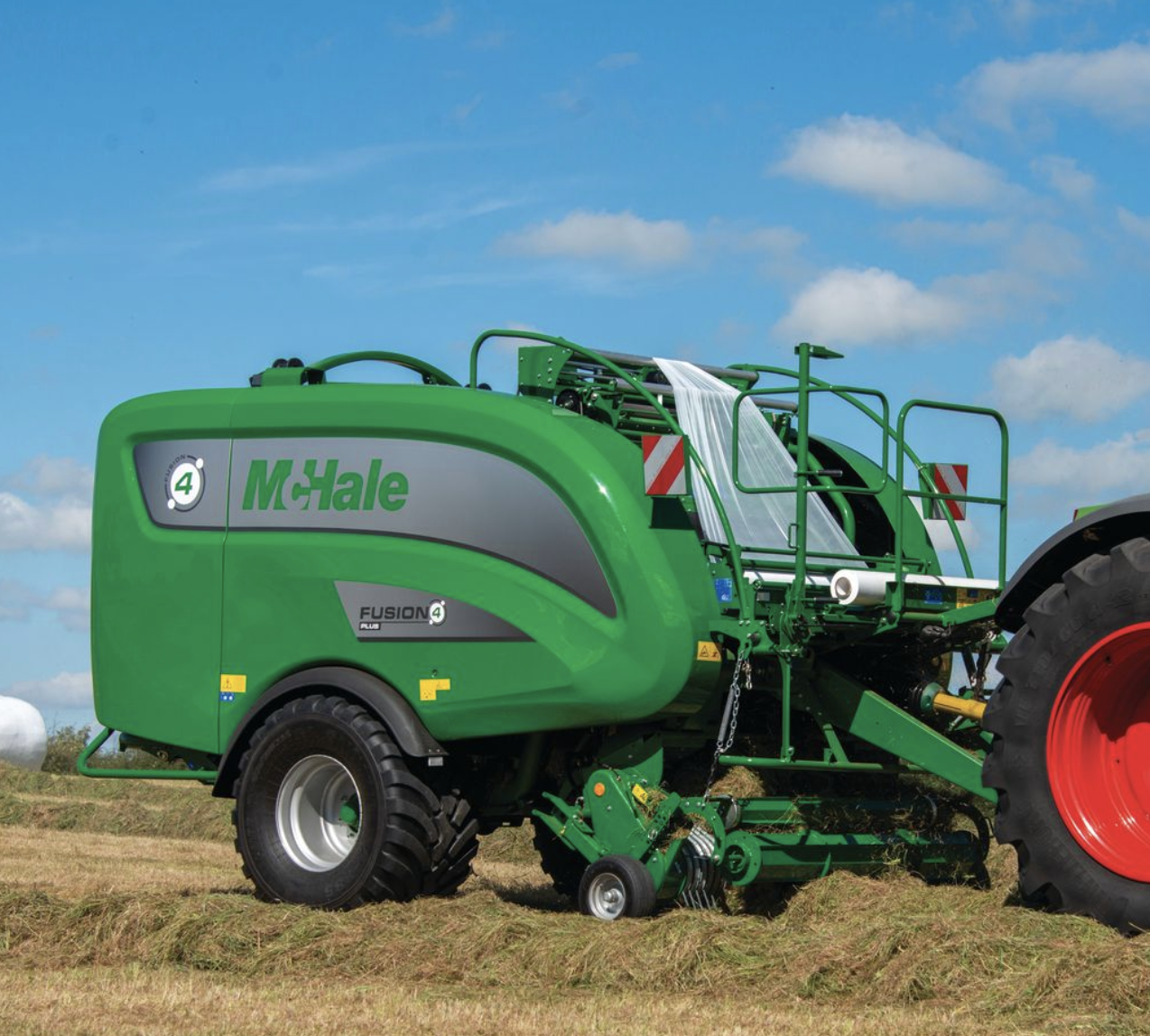
That philosophy has driven the development of integrated baler wrappers, and few manufacturers have refined the concept as successfully as McHale. Since introducing its first Fusion, the Irish manufacturer has steadily evolved the machine around one simple principle: complete the entire baling and wrapping process in a single operation without compromising bale quality or reliability.
The latest Fusion 4 continues that evolution, incorporating a series of engineering refinements designed to increase throughput while reducing maintenance and improving operator comfort.
The greatest strength of an integrated baler wrapper has always been efficiency. Instead of requiring one machine to bale and another to wrap, the Fusion combines both operations into a single pass. That immediately reduces labour requirements, lowers tractor hours and eliminates the time normally spent moving between separate baling and wrapping operations.
Just as importantly, every bale is wrapped immediately after leaving the chamber, preventing contamination from contact with the ground while preserving bale shape and silage quality.
Those advantages become increasingly valuable during unsettled weather when every minute counts.
While integration is hardly new, the engineering behind the latest Fusion 4 demonstrates how much the concept has matured. Rather than chasing headline specifications, McHale has concentrated on improving the areas that influence productivity every day, beginning with crop intake.
The new 2.1 m Profi-Flo Pick-Up has been completely redesigned to improve crop flow into the bale chamber. Tapered feed channels, repositioned feed augers and an adaptive intake system work together to encourage a smoother, more consistent flow of crop towards the rotor.
In heavy or uneven swaths, that seemingly simple improvement reduces the likelihood of blockages while allowing the baler to maintain a more consistent work rate.
The adaptive intake is particularly clever because it automatically adjusts to varying crop volumes. In lighter crops the intake remains higher, while heavier swaths cause it to lower, maintaining a consistent feed into the rotor.
Rather than forcing operators to continually adjust ground speed to suit changing crop conditions, the machine itself adapts, reducing peak loads and helping maximise daily output. It is exactly the sort of refinement that often goes unnoticed until operators spend a full season behind the machine.
Power transmission has received similar attention.
McHale continues to use its split-drive gearbox, separating power delivery between the pickup and rotor on one side of the machine and the bale chamber on the other. Shorter power paths reduce driveline losses while distributing torque more evenly throughout the machine.
For contractors regularly working in heavy silage crops, that translates into smoother operation and a reduced likelihood of driveline overloads. Operators working behind larger tractors can also specify a 1000 rpm gearbox, allowing lower engine speeds while maintaining PTO performance, improving fuel efficiency during long harvesting days.
The most recent addition to the Fusion is the newly developed TerraDrive option.
TerraDrive is a hydraulic axle available as an optional extra on McHale Fusion 4 Plus machines. It was developed to provide additional traction, through the use of hydraulic motors in the axle, helping distribute workload more efficiently, improving mobility and reducing strain on the tractor.
This optional extra has been developed by McHale for customers located in soft, wet or hilly terrain, allowing the baler to travel in difficult conditions, improving performance and overall yield.
Crop quality has always been central to the Fusion's design, and the standard 25-knife chopping unit continues that focus.
Producing a theoretical chop length of approximately 46 mm, the hardened tool steel knives are hydraulically engaged and monitored continuously to ensure consistent cutting performance. Knife pressure sensors alert the operator if chopping quality begins to decline, while individual protection systems safeguard each knife should a foreign object enter the chamber.
Selectable knife configurations also allow operators to tailor chop length to individual feeding systems, balancing forage quality, bale density and feeding efficiency without leaving the tractor seat.
Of course, no matter how well engineered a baler is, every operator eventually encounters difficult crop conditions. McHale has therefore retained one of the Fusion's most appreciated features: the hydraulic drop floor.
Should a blockage occur, the operator simply lowers the floor hydraulically from the cab, widening the intake area and re-engages the PTO to clear the restriction. On the Pro and Plus models, that process can be almost entirely automated, with the floor resetting itself once normal crop flow resumes.
It's a practical solution that minimises downtime while avoiding the frustration of climbing in and out of the tractor during busy harvest periods.
Perhaps the most distinctive aspect of the Fusion 4 remains McHale's patented bale transfer system.
Rather than relying on lift arms or transfer tables, the lower half of the bale chamber opens like a clamshell and becomes the transfer mechanism itself, delivering the bale directly into the vertical wrapping ring.
The design reduces the number of moving components while allowing the transfer to occur as the chamber opens and closes, meaning wrapping begins almost immediately without compromising baling output.
The system also keeps the bale positively supported throughout the transfer, maintaining reliability even on steep or undulating country where many integrated baler wrappers traditionally struggle.
Operator technology has evolved significantly in the latest generation.
Depending on the model, operators can choose McHale's Expert Plus terminal or full ISOBUS compatibility, allowing machine functions to be controlled directly through the tractor display.
In-cab density adjustment, net or film control, integrated cameras and machine diagnostics all contribute to a simpler working environment while reducing the need to leave the seat during operation.
The Fusion 4 Plus extends that technology further through the option of film-on-film binding (net can still be used), replacing conventional net wrap with film to improve bale shape, silage quality and recycling efficiency.
Ultimately, the Fusion 4 is not simply about combining a baler and wrapper into one machine. It reflects a broader shift occurring throughout agricultural engineering, where productivity is increasingly measured by system efficiency rather than individual machine performance.
Every refinement, from the Profi-Flo Pick-Up and adaptive intake through to the split-drive gearbox, automatic lubrication, patented bale transfer and ISOBUS integration, has been designed to reduce interruptions and keep the machine working when conditions are right.
Diesel-Tech Machinery - Elho’s Viper mowers
For the last six years, we've followed the development of Elho’s Viper mower platform as prototypes evolved into production-ready machines. Throughout that time, the Finnish manufacturer's engineers remained committed to a simple philosophy: start with the heart of the machine, the cutterbar, and build everything else around it.
With the launch of the Viper series, that long development programme has finally reached production. The headline feature is Elho's in-house designed cutterbar. In a market where many mowers share common components, designing and manufacturing the cutterbar internally is a significant commitment. By controlling cutterbar geometry, lubrication and module design, Elho aims to improve the areas that matter most to contractors: cut quality, durability and power efficiency.
Those benefits become particularly important in wet conditions, heavy crops and the long operating days where machinery reliability directly affects profitability.
What sets the Viper apart?
At the centre of the Viper range is Elho's patented rifled, self-lubricating cutterbar module design, which uses engineered oil paths to maintain lubrication across gears and bearings under varying loads and operating angles.
The cutterbar also features a split-drive design, feeding power from both sides to reduce driveline stress and improve power transfer to the discs. Built-in protection systems, including shear protection and sacrificial elements, are designed to isolate impact damage before it spreads through the driveline.
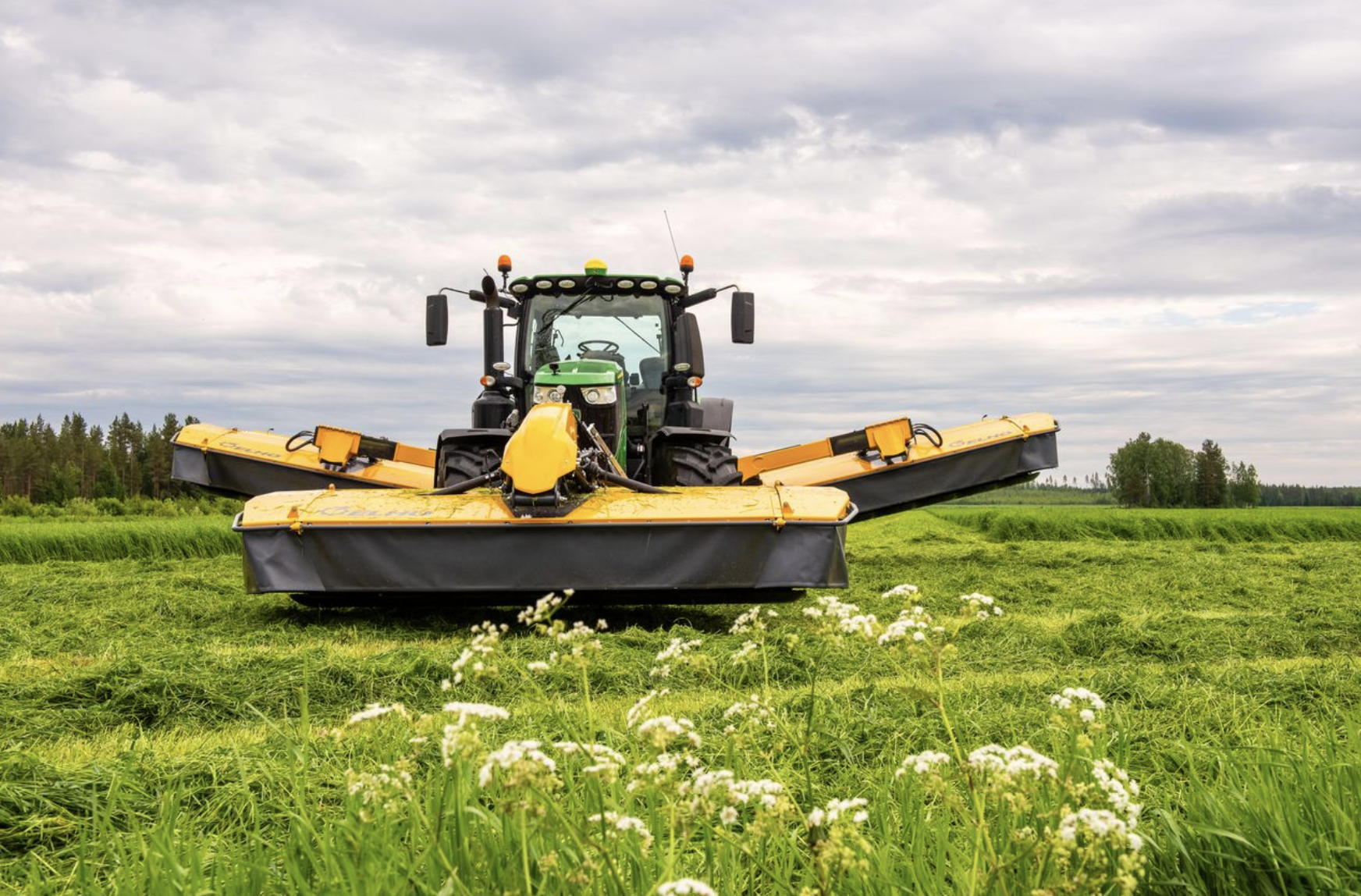
Supporting the cutting system is Elho's latest HydroBalance suspension, designed to maintain low ground pressure and consistent stubble height while improving contour following. The flagship NM10400 butterfly mower adds a trailing linkage system to help the rear wings follow uneven ground more accurately.
Operator flexibility has also been a major focus. Adjustable working width allows overlap to be optimised for field conditions, reducing striping and improving productivity. Adjustable conditioning settings allow operators to balance drying speed and crop quality, while optional auger groupers can either form a central swath or spread material across the full mowing width for faster drying.
All major functions are controlled through ISOBUS, reducing cab clutter and simplifying setup.
The demonstration combination currently on its way to New Zealand consists of:
• Viper NM3200F front mower conditioner
• Viper NM10400 SF butterfly mower conditioner with auger groupers
Together, they represent Elho's vision for modern triple mowing: high output, controlled crop flow, flexible swathing and integrated ISOBUS operation.
Why this matters
Margins in forage production are increasingly determined by timing and consistency. When weather windows open, machines that maintain cutting quality, keep fuel use under control and continue working reliably under pressure can make a significant difference to the bottom line.
Contractors are under constant pressure to cover more hectares in less time while managing fuel, labour and machinery costs. In that environment, efficiency gains often come from the way multiple systems work together rather than from a single standout feature.
If the Viper's cutterbar, split-drive architecture, HydroBalance suspension and protection systems perform in commercial conditions as they have during development, the package could offer genuine advantages for operators chasing productivity and reliability.
Our field evaluation will focus on:
• Cut quality in rough, heavy and wet crops
• Conditioner performance versus leaf retention
• Fuel consumption per hectare
• Grouper performance and drying results
• Suspension behaviour and ground pressure
• ISOBUS usability and setup time
• Driveline smoothness under load
• Daily servicing requirements
• Field-capacity gains from adjustable working width
Verdict – so far
Based on six years of development, Elho has taken a deliberate rather than rushed approach with the Viper project. The machine appears to be a genuinely integrated design built around an in-house cutterbar rather than adapted around third-party components.
Features such as the rifled self-lubricating modules, split-drive layout, HydroBalance suspension and adjustable working width all point towards a focus on durability, efficiency and crop handling.
Early impressions are promising, but the final judgement will come from extended field work under genuine contractor conditions.
Diesel-Tech Machinery will publish a full report once the NM3200F and the NM10400 SF have completed a season's worth of real-world mowing. At that point, the numbers, not the specifications, will tell the true story.
For now, consider the Viper a fresh design with a clear purpose, finally out from under the prototype tent and ready to be judged by the only test that matters: hectares cut, crop cured, bales in the stack.
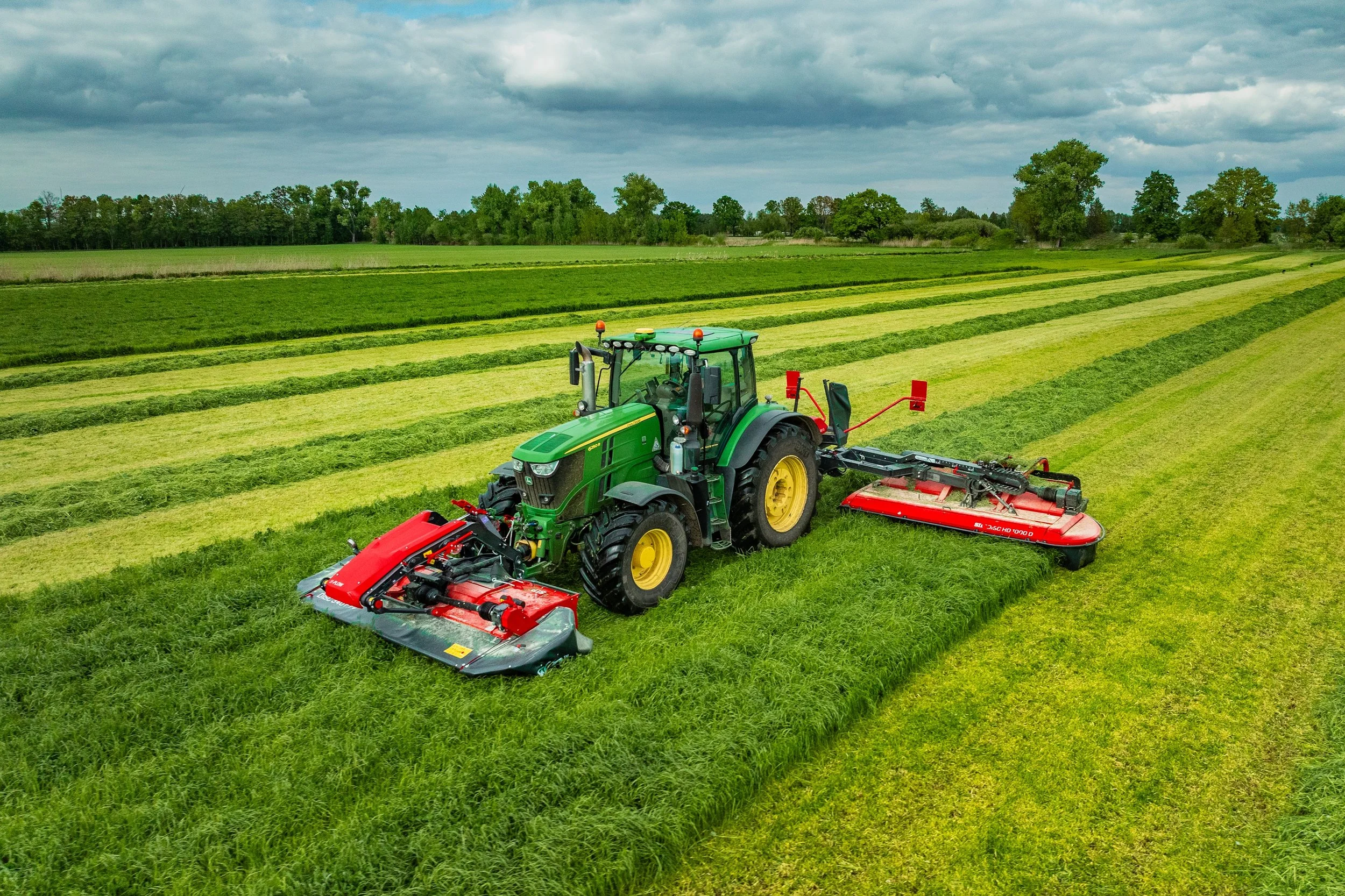
Webbline - SIP
SIP Contractors and large-scale farmers need hay and silage equipment capable of handling high hectares, tough crops, and long days. Available in New Zealand through the SIP distributor, Webbline Agriculture, the new Disc HD range of mowers which includes the 1000D FSC, 1000DFSC BC and 1100D FSC, arrives squarely aimed at that reality. Built heavier, smarter, and with more configuration options than ever before, the new series signals a clear step forward for the Slovenian manufacturer and a timely upgrade for New Zealand operators getting prepared for the next high-pressure season.
A new generation of heavy-duty rear mowers
The Disc HD platform is SIP’s latest evolution of its double mower combinations, available in either a 10m or 11m cutting width. Designed for high-output mowing with conditioners, the range offers flexibility for contractors who need to match gear to crop type, paddock conditions, and customer expectations. The standout addition is the1000D FSC BC, the first SIP mower to offer belt conveyors on the back. For operators who want to consolidate material into a single, tidy swath — especially in light crops or when chasing efficiency for the baler or forager — this is a major shift. Instead of leaving three separate swaths, the BC system lays the forage neatly over or beside the centre swath, reducing the need for a subsequent pass with a rake to consolidate them into a single swath. Webbline Agriculture ran a demonstrator unit in New Zealand last season, and feedback from contractors was consistently positive. The conveyor system proved smooth, predictable, and capable of handling the kind of grass mixes that often challenge conveyor setups. For many, it was the first time they’d seen a mower produce a grouped swath with this level of uniformity.
S Flow II: A front mower headstock that finally behaves
Up front, SIP has quietly delivered the new S Flow II headstock for Silvercut front mowers — one of the most meaningful improvements inits lineup. The original S Flow headstock was already well-regarded for its ability to let the mower float and follow ground contours, but the second-generation design is a genuine leap forward. Two units were tested locally last season — one paired with the Disc HD 1000D FSC BC demonstrator, and another fitted to a contractor’s existing Silvercut front mower. Both operators reported that the new headstock is just more stable, more responsive, and noticeably smoother over rough ground. The mower tracks more naturally, reducing scalping and improving cut quality, especially in undulating paddocks or when mowing at higher speeds.
Built for contractors who push gear hard
Across the Disc HD range, SIP has focused on durability, with the cutterbar, frame, and driveline components reinforced for heavy workloads. The innovative drive system constantly monitors the load on the cutterbars and in combination with the safety clutches protects the cutterbars from being overloaded, while the individual cutterbar configure belt conveyors, and pair the rear units with a front mower equipped with the new S Flow II headstock, gives contractors a complete system that’s both high-output and highly adaptable. The machines are designed for large-scale mowing combinations, long days, and the kind of demanding conditions that New Zealand contractors know all too well — from wet paddocks earlier in the season, to the demands of harvesting bulk crops as harvest season progresses.
Goweil G1-F125
Goweil has long been recognised for pushing the boundaries of baling technology, and the G1-F125 fixed chamber baler is a standout example of that commitment. This premium machine lifts the standard for efficiency, reliability and bale quality in both baling and wrapping work.
What sets the G1-F125 apart is the consistency of the bales it produces. Since arriving on the market a couple of seasons ago, it has earned a reputation as one of the strongest balers available. Every bale is packed tight from the core outward, delivering impressive density and uniformity.
Contractors running the G1F125 report that their customers quickly notice the difference. The bales are heavier, easier to stack and transport, and hold-high quality-forage–all of which adds real value across the season. Operator experience is another area where the G1-F125 is superior. The machine is straightforward to run and its build quality ensures dependable performance. A heavy duty-split gearbox drive system and robust drive chains help keep maintenance demands low.
Bale formation begins with Goweil’s innovative 570 mm shotover-rotor. Unlike conventional designs that feed material beneath the rotor, this system lifts the crop over the top, sending it directly into the chamber. The result is smoother crop flow, fewer chances of blockages, and bales that form cleanly and consistently from the very first rotation. Isobus control comes as standard, giving operators clear access to the machine information and allowing full control through the tractor’s own
Isobus-compatible display, reducing the need for an additional controllerto be mounted in the tractor cab.The G1-F125 is available in two configurations: the standalone G1-F125baler, or the G1-F125 5050 Kombi, which integrates baling and wrappinginto one efficient unit.
Supermove
Moving bales is the type of work that quickly eats up hours, demandscoordination and usually ties up more machinery than anyone wants tospare.
Wilson’s Supermove Bale Transporters were created to flip that script.Instead of treating bale shifting as a slow, multistep chore, they turn itinto a streamlined, single-operator-task that feels more like successful progress than a ‘must-do’ process.
The Supermove range offers capacity options for 8, 10, 12 or 16 bales, but the real story is how they work. Operators can lift wrapped or unwrapped round or square bales straight from the paddock without stepping out of the cab, and without the usual parade of loaders, straps or truck-and-trailer units. The cradle-style loading system carries eachbale gently and securely, reducing wrap damage and keeping product quality intact.
With loading speeds up to 60% faster than traditional methods, the Supermove doesn’t just save time, it also frees up people and equipment for the jobs that actually need them.
Underneath the clean operation is serious engineering–a heavy-duty chassis, high-capacity hydraulic rams and reinforced axles and suspension built to handle uneven ground and long days. It’s durability with purpose, designed for operators who don’t have time for breakdowns.
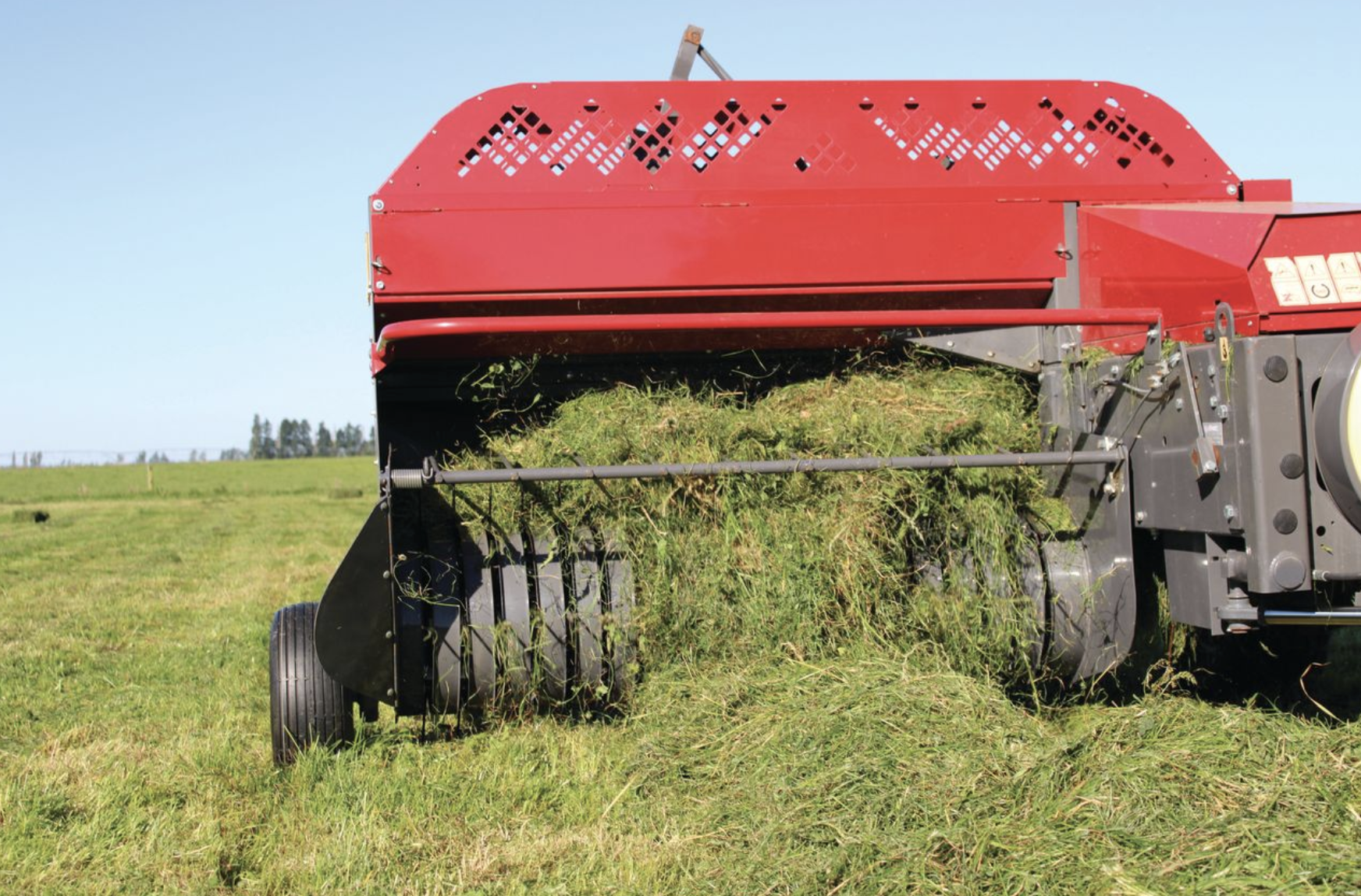
Sitrex
In a market increasingly filled with electronics, sensors and automated systems, the Sitrex M61 Export/170 square baler takes a different approach. It is a machine built around simplicity, durability and producing consistent small square bales day after day. For many contractors and farmers, particularly those servicing lifestyle blocks, equine operations and smaller livestock farms, that remains a highly valuable proposition.
Distributed through a selected dealer network, the M61 Export/170 is available from Diesel-Tech Machinery, Diesel-Tech Machinery North and Otago Tractor Repairs in the South Island, and Garton Mechanical Services and Tractortech in the North Island.
Designed and manufactured in Italy by Abbriata, a company with more than a century of agricultural machinery experience, the conventional small square baler is built to deliver reliable performance and consistent bale quality. While technology has transformed many areas of modern farming, the demand for well-made small square bales has remained remarkably consistent.
Horse owners continue to prefer manageable bale sizes, lifestyle farmers often lack the equipment to handle larger packages and many export markets still favour traditional small squares. That creates an ongoing requirement for machinery capable of producing dense, uniform bales efficiently and reliably.
At the centre of the M61 Export/170 is a 36 cm x 46 cm bale chamber capable of producing bales from 40 cm through to 130 cm in length. Depending on crop conditions and density requirements, hay bales typically range between 20 kg and 35 kg, while straw bales generally sit between 18 kg and 22 kg.
That flexibility allows operators to tailor bale size and weight to customer requirements rather than being locked into a single specification.
The baler operates with 90 plunger strokes per minute and is capable of producing between six and 10 bales per minute depending on crop volume and operating conditions. While those figures may not match the output of large commercial square balers, they are more than adequate for the market this machine is targeting.
One of the biggest attractions is the modest tractor requirement. With a recommended PTO power range of just 26 hp to 30 hp, the M61 Export/170 can comfortably be operated behind many smaller utility tractors.
For contractors already running compact tractors or farmers wanting to produce their own hay without investing in high horsepower machinery, that lower power demand can significantly reduce operating costs.
Pickup width is 170 cm, providing a generous feeding area for a machine of this size. Combined with the relatively compact overall dimensions, the baler is well suited to smaller paddocks, irregular field shapes and properties where manoeuvrability is important.
The machine weighs between 1,250 kg and 1,275 kg depending on specification, giving it enough mass to operate smoothly while remaining manageable for smaller tractors.
Reliability remains one of the key considerations when selecting any baler. Lost time during a weather window can quickly become expensive, and many operators place a premium on proven mechanical systems over unnecessary complexity.
The M61 Export/170 follows that philosophy with a straightforward driveline and conventional twine knotter system supplied as standard equipment. A wire tying option is also available for operators servicing specific markets where wire-tied bales remain preferred.
Standard features include twine knotters, bale counter, PTO shaft, pickup jack and third-wheel support, providing everything required to get straight into the paddock.
For operators wanting additional functionality, a range of optional equipment is available.
Hydraulic pickup lift and hydraulic drawbar adjustment can improve convenience and transport efficiency, while pickup support wheels, a long bale chute and wide-angle PTO shaft allow the machine to be configured for specific operating conditions.
Those options allow contractors to build a machine that matches their workload rather than paying for features they may never use.
Perhaps the strongest argument for the M61 Export/170 is that it addresses a market segment often overlooked by larger machinery manufacturers.
While the industry conversation frequently focuses on high-output large square balers and integrated forage systems, thousands of tonnes of hay and straw are still packaged into small square bales every year. Many customers continue to value a bale that can be loaded by hand, stacked in a shed and fed out without specialised handling equipment.
That demand shows little sign of disappearing.
For contractors servicing horse properties, small block owners and mixed farming operations, a machine like the M61 Export/170 can provide an efficient and cost-effective entry into hay production. Equally, for farmers wanting to bring haymaking in-house, its modest tractor requirements and straightforward operation make it an attractive alternative to larger and more expensive machinery.
In many respects, the M61 Export/170 represents a reminder that successful machinery is not always about maximum size, maximum output or maximum technology. Sometimes success comes from doing a simple job exceptionally well.
For operators looking for a dependable small square baler capable of producing consistent, marketable bales without demanding excessive horsepower or investment, the Sitrex M61 Export/170 delivers a practical solution that remains highly relevant in today's farming environment.