
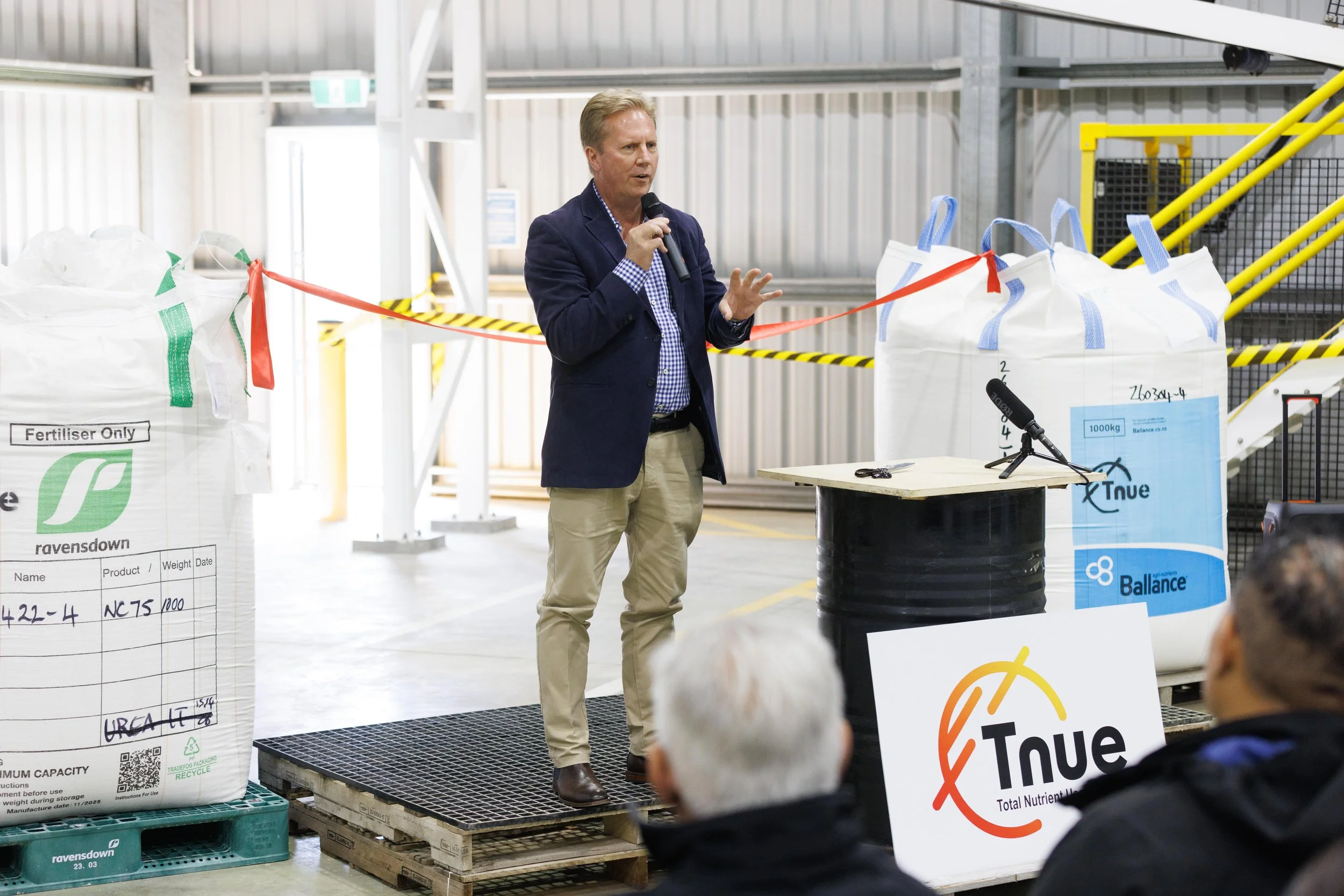
Engineering every granule
Controlled-release fertilisers are not a new concept, but designing one that consistently delivers nitrogen when crops need it, while remaining commercially practical for large-scale agriculture, has proved far more challenging than simply coating a fertiliser granule. ring how and when nitrogen leaves each individual granule.
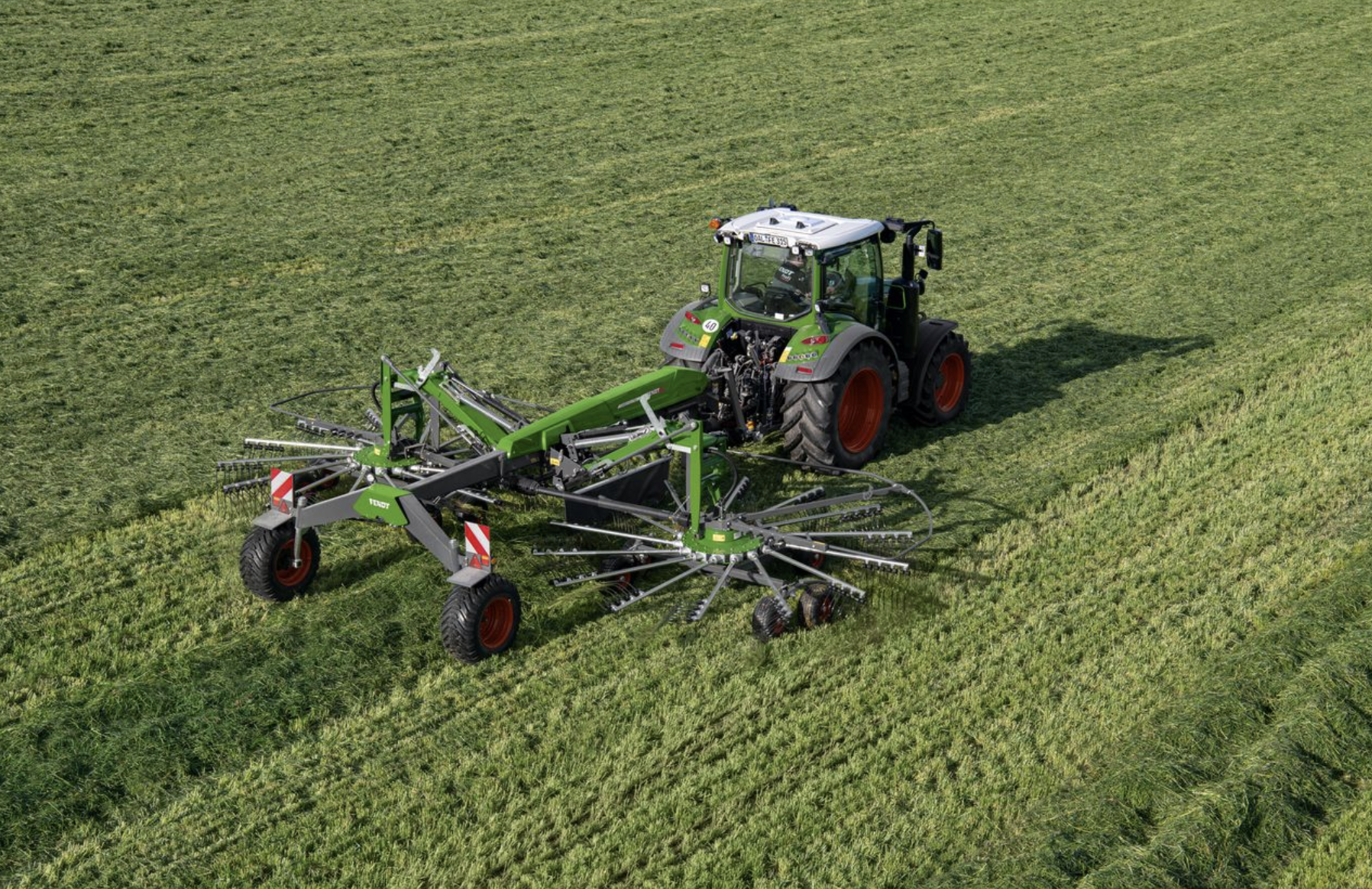
Engineering the forage harvest
Producing high-quality forage has become an increasingly technical process. Higher stocking rates and larger harvesting programmes mean every pass across the paddock has a direct influence on feed quality.

Fendt 500 Vario Gen4 raises the standard in the mid-power tractor segment
The Fendt 500 Vario Gen4 represents a significant step forward in the evolution of mid-power tractors, according to Mark Hamilton-Manns, product marketing manager.
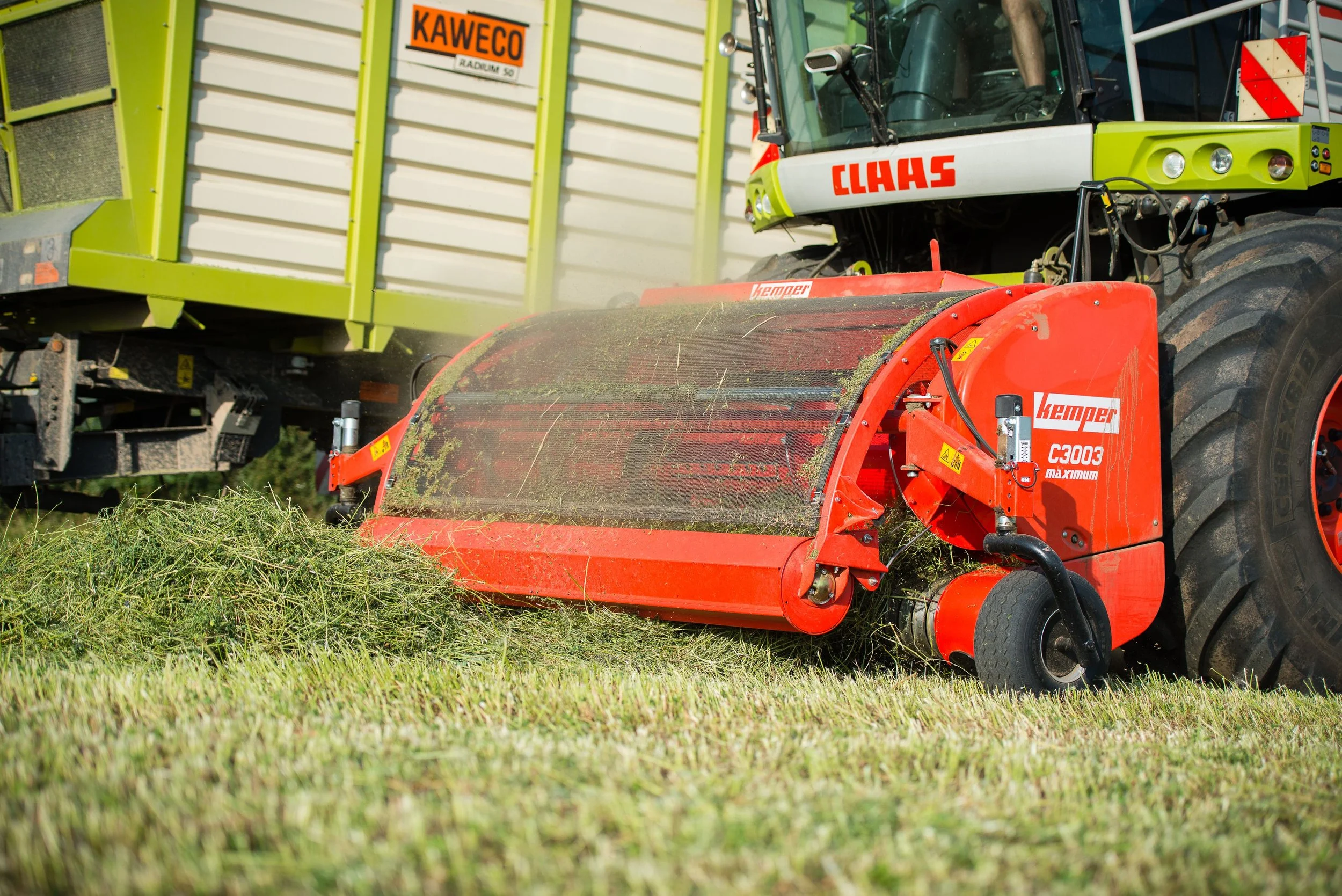
Engineering crop flow
There is little point in putting more horsepower under the bonnet if the crop cannot reach the feed rolls consistently.
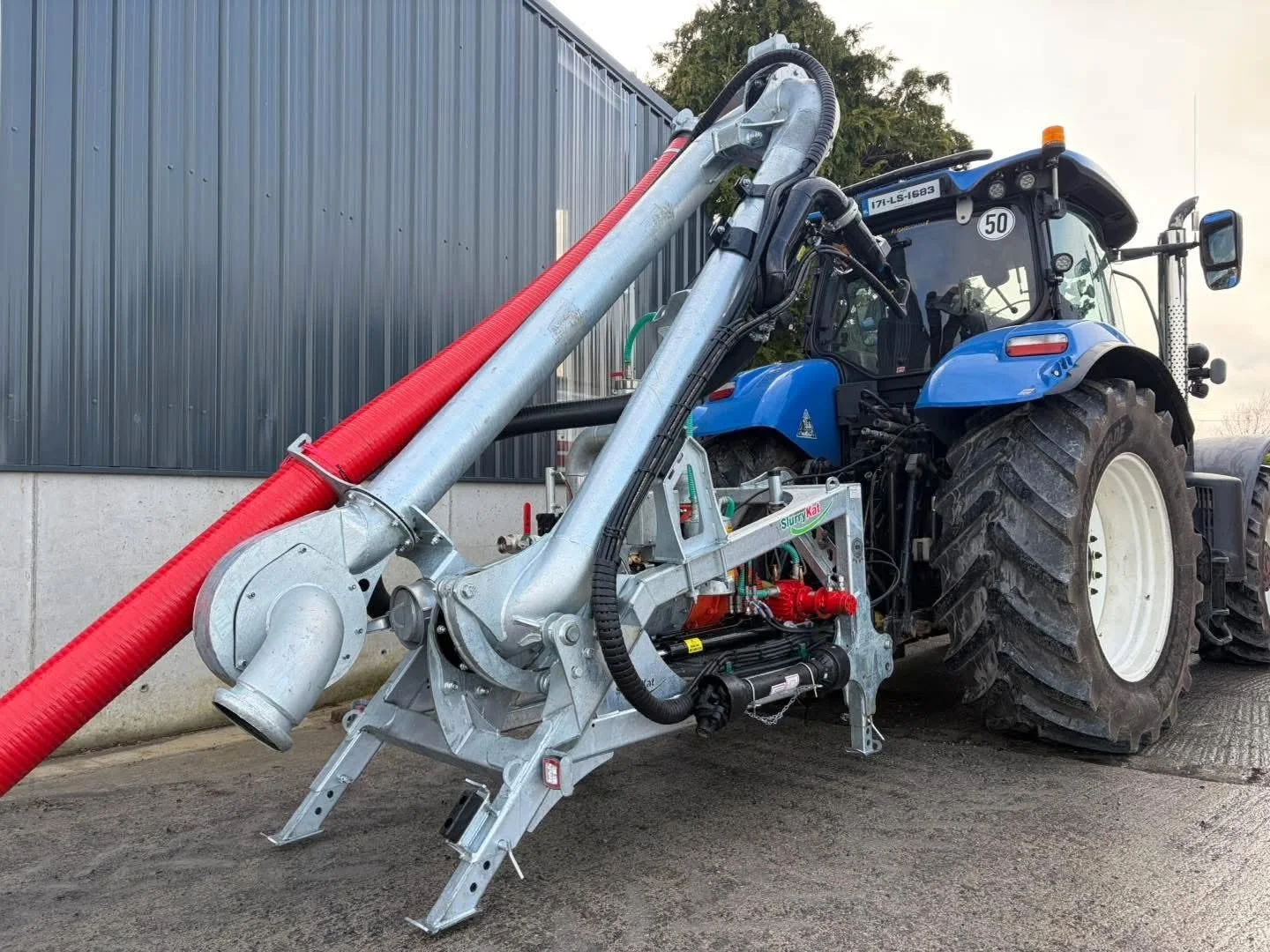
Engineering slurry from the bottom up
Moving slurry is relatively straightforward. Moving millions of litres of dense, settled slurry from the bottom of an 18 m lagoon without starving the pump is an entirely different engineering problem.
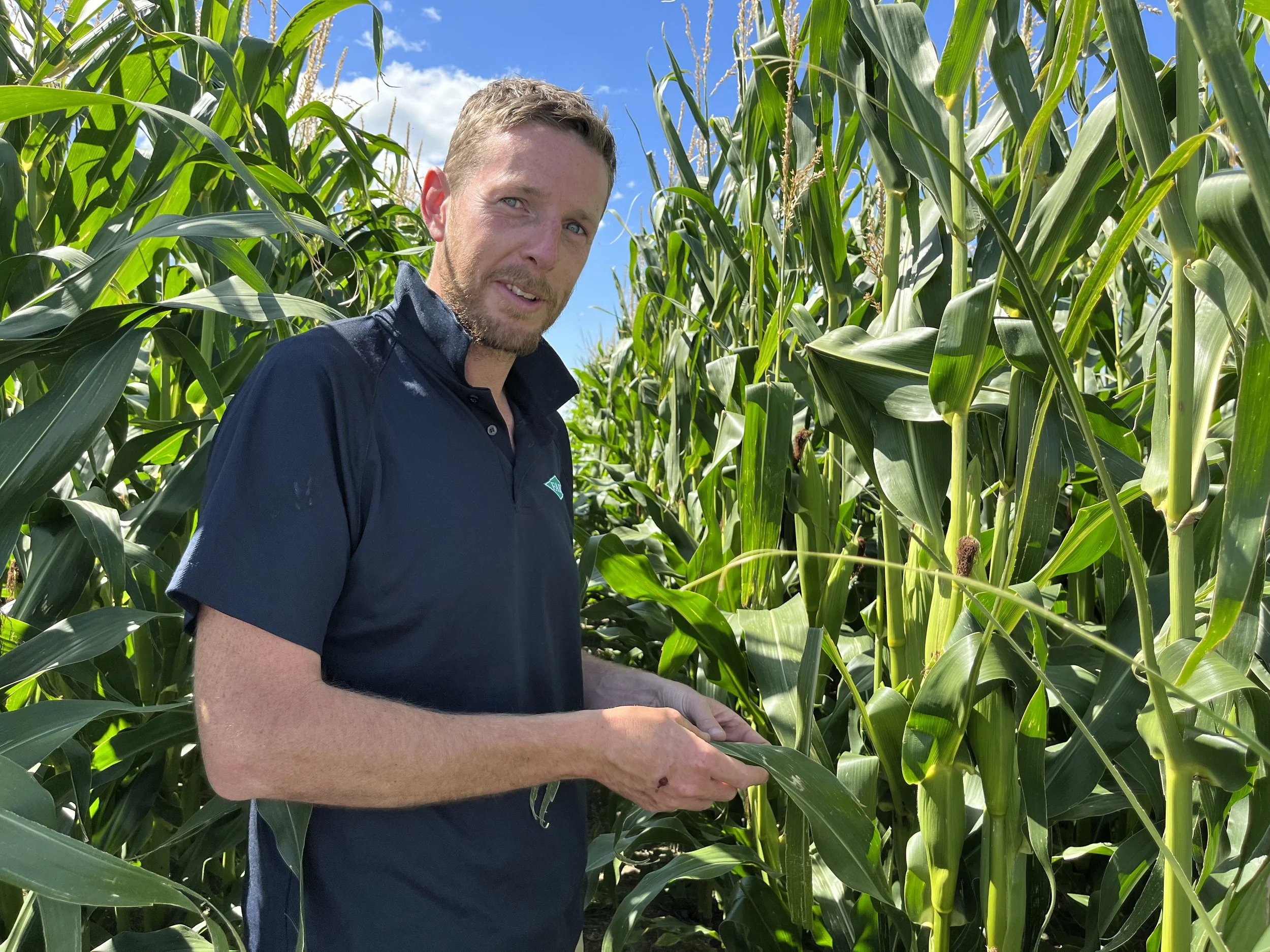
Fall armyworm: Four years on
Four years since it was first detected in New Zealand, researchers and growers now know much more about management of maize pest fall armyworm.
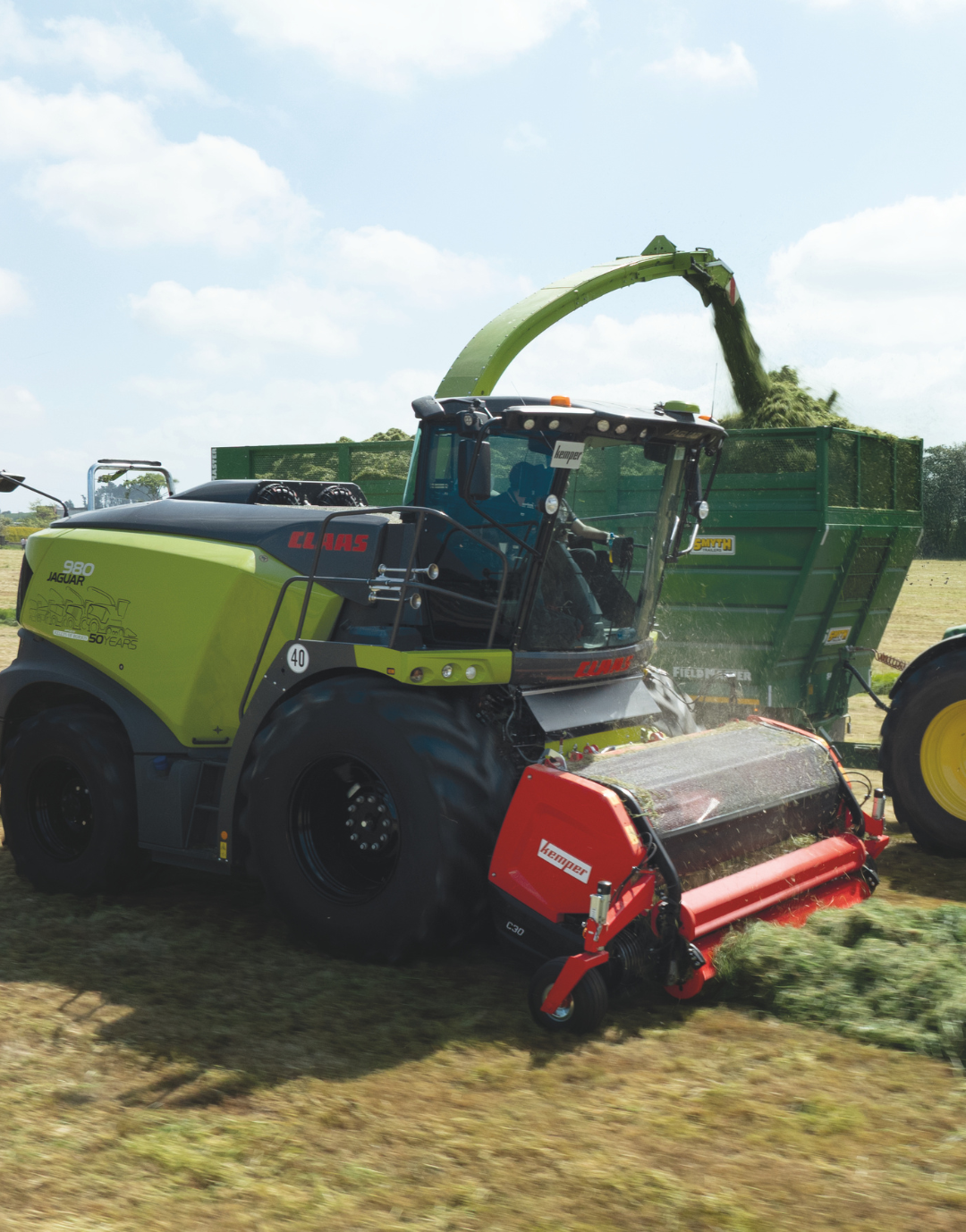
Keeping high-horsepower forage harvesters fed
There was a time when the pickup header was little more than a conveyor between the windrow and the forage harvester. As harvesting capacity has increased, that thinking has changed.
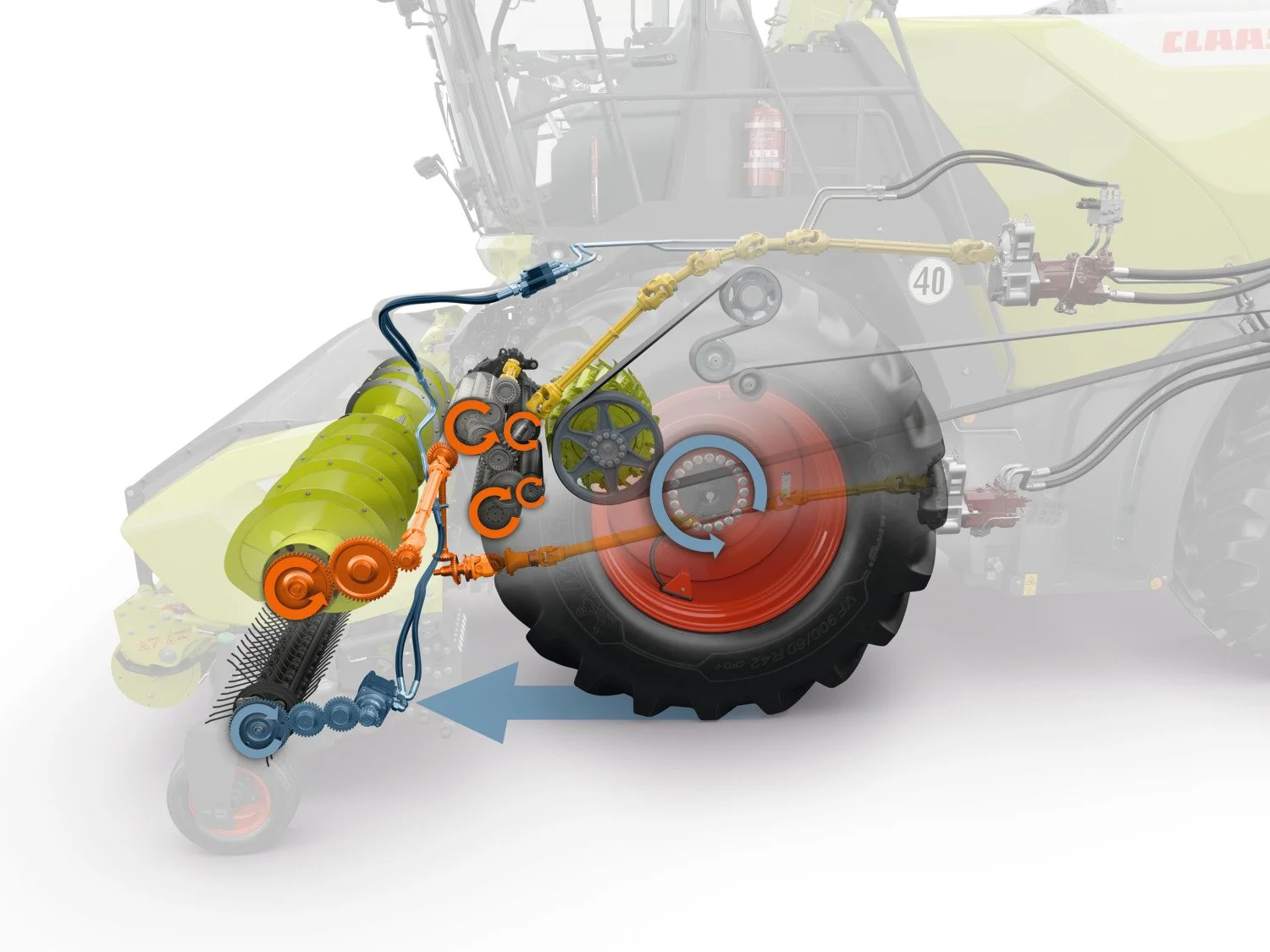
Intelligent harvesting delivers better silage
When it comes to forage harvesting, output is only part of the story. Whether harvesting your own crop or providing a contracting service, the real measure of success is the quality of the silage entering the stack.
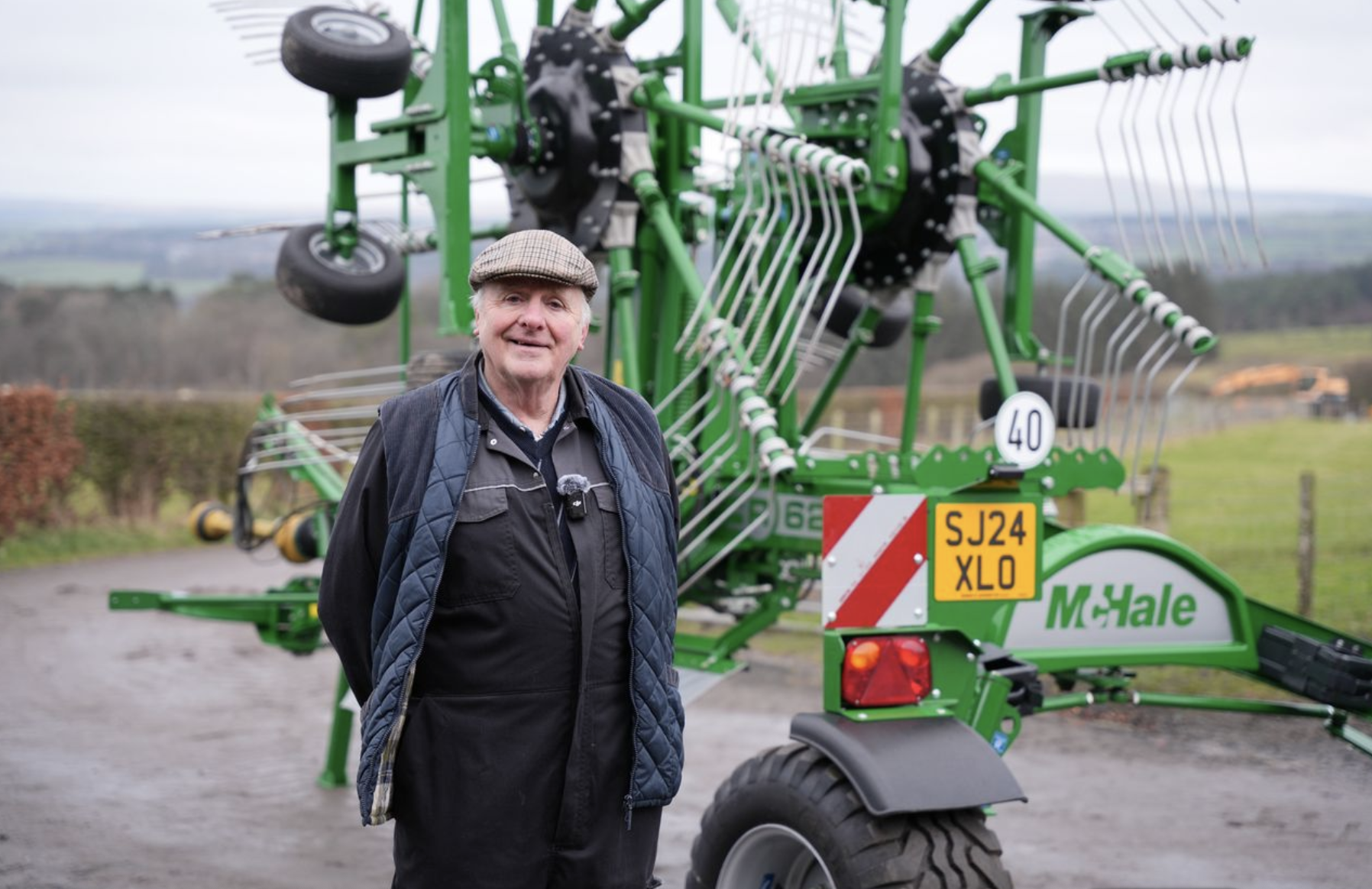
W & J Mair Agricultural Contractors
Even in the depths of January, W & J Mair Agricultural Contractors, based at Hill Farm in Cumnock, Scotland, was a hive of activity.
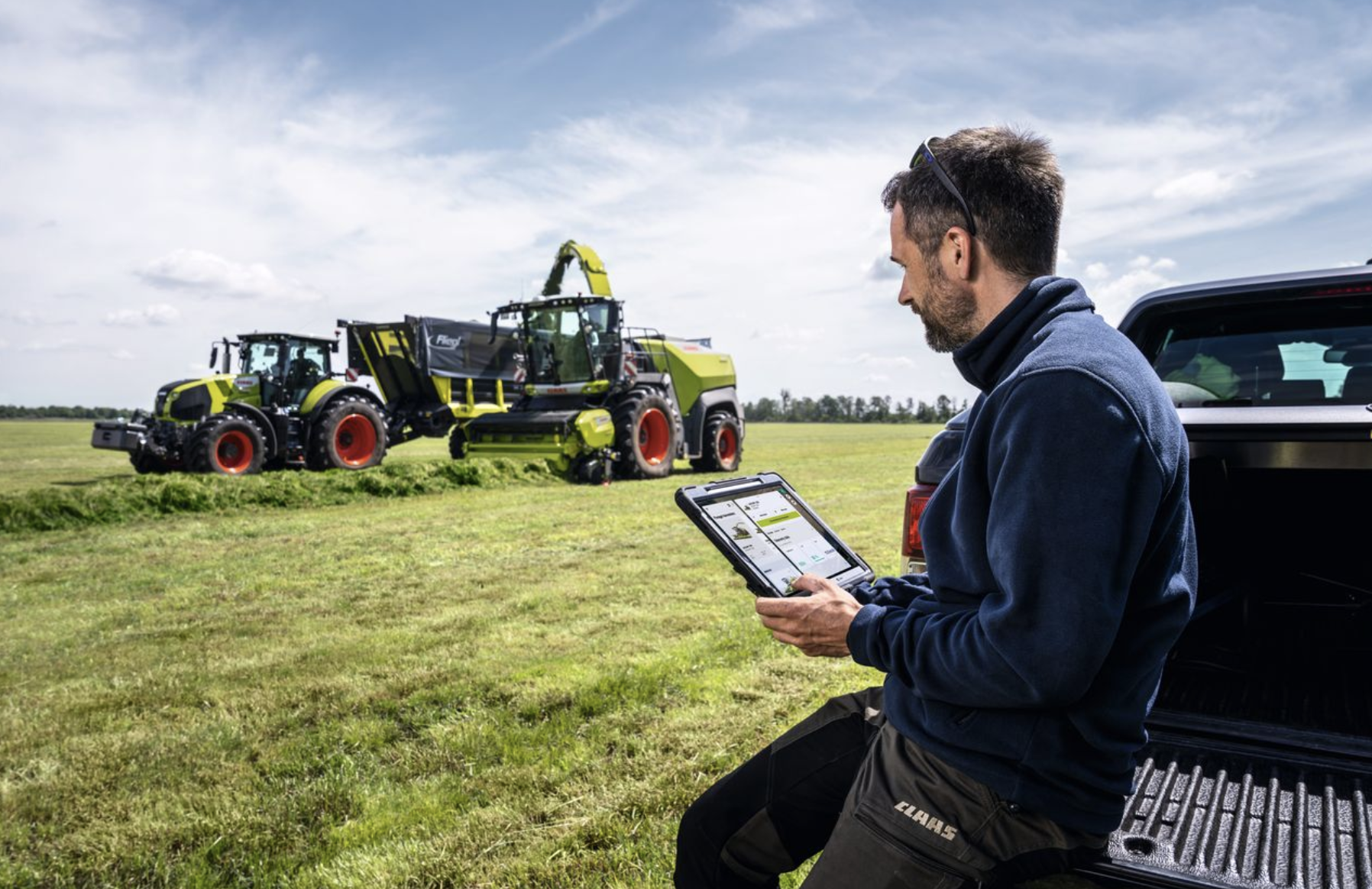
Technology update: Claas connect keeps forage operations connected
For forage contractors and farmers, every hour during silage season counts. Weather windows are often short, multiple machines are working across different paddocks, and keeping operators, support vehicles and customers informed can be just as important as keeping the harvester moving.
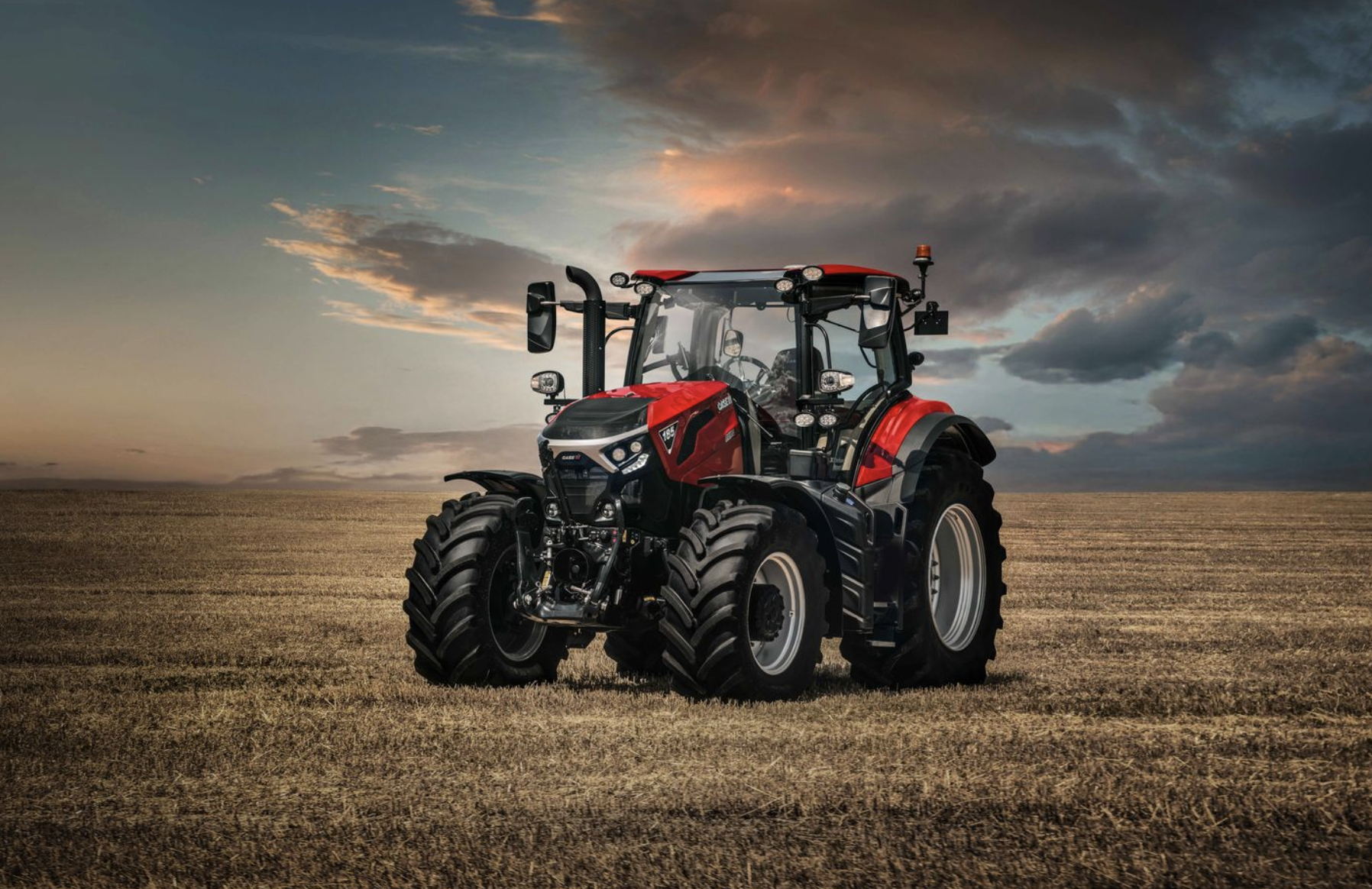
Case IH launches next generation Puma series
Case IH has unveiled its fully redesigned next generation Puma series for Australia and New Zealand, introducing the new Puma 155, 165 and 185 models, with improvements focused on manoeuvrability, fuel efficiency, operator comfort and machine connectivity.
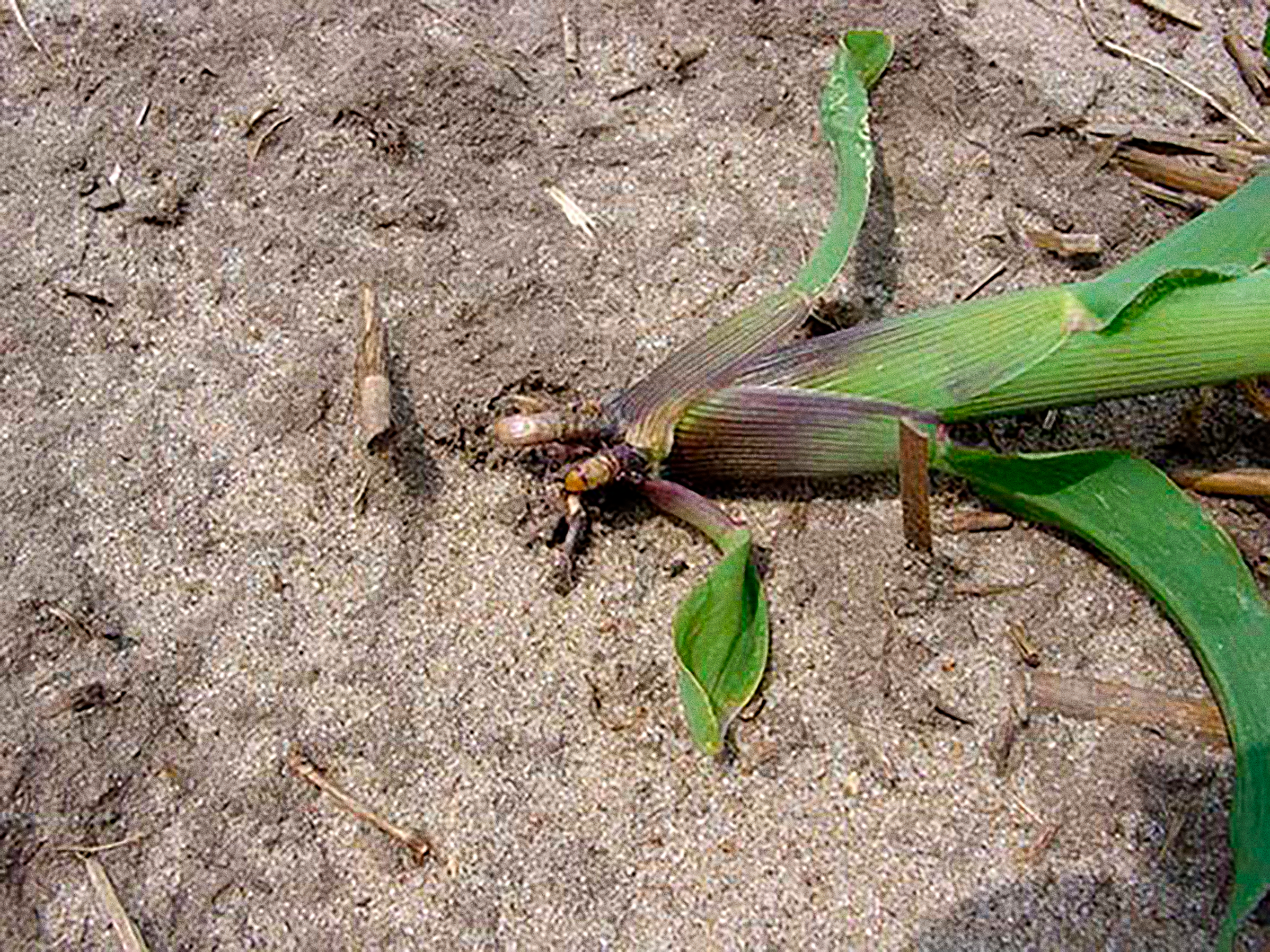
It pays to get maize to emerge evenly
The platform for a successful maize crop is established in the first few weeks after planting, and one of the biggest factors determining final yield potential is how evenly that crop emerges.
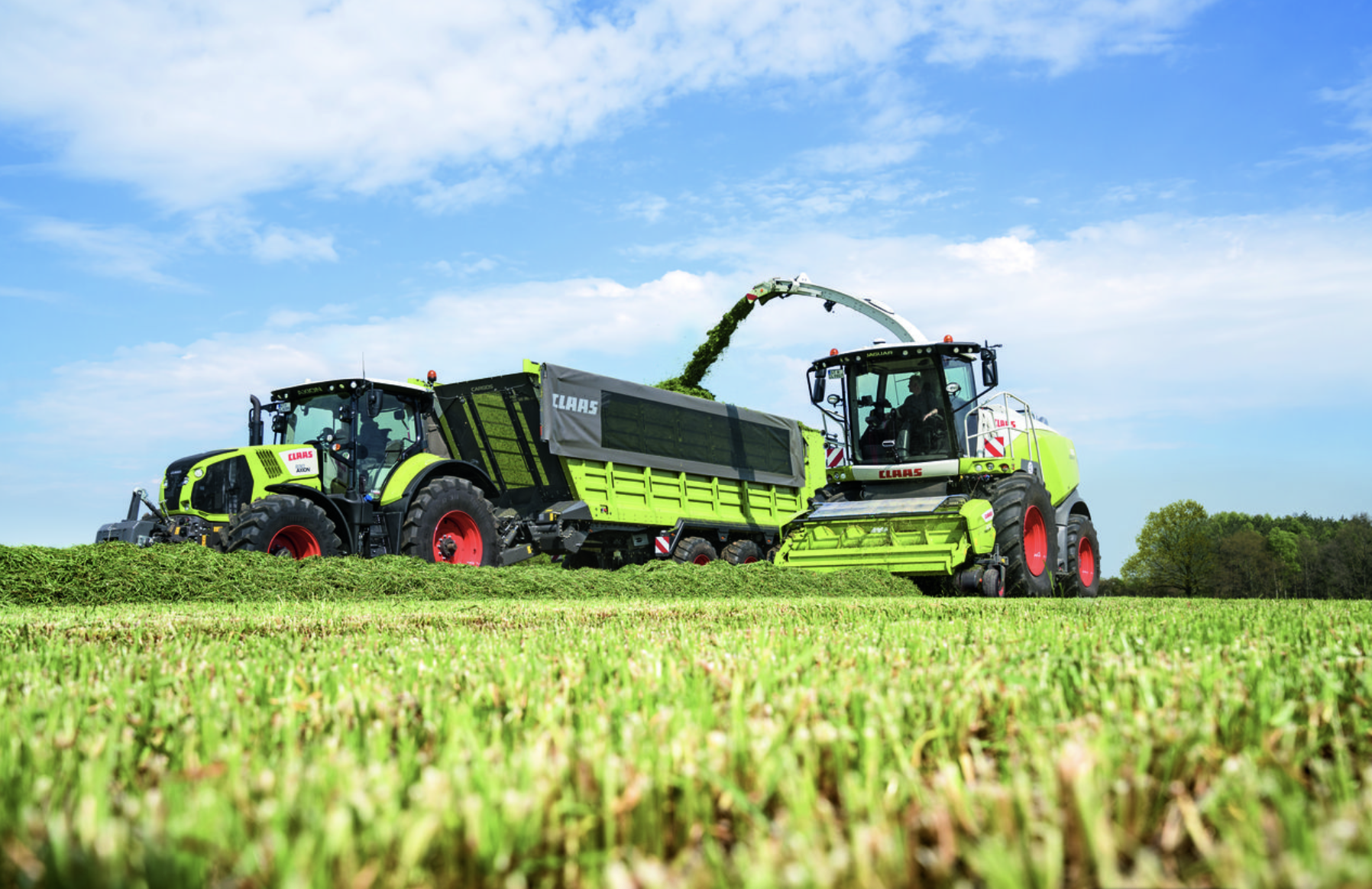
Building better silage from the ground up
Anyone who has opened a silage stack knows that quality isn't decided on harvest day alone.
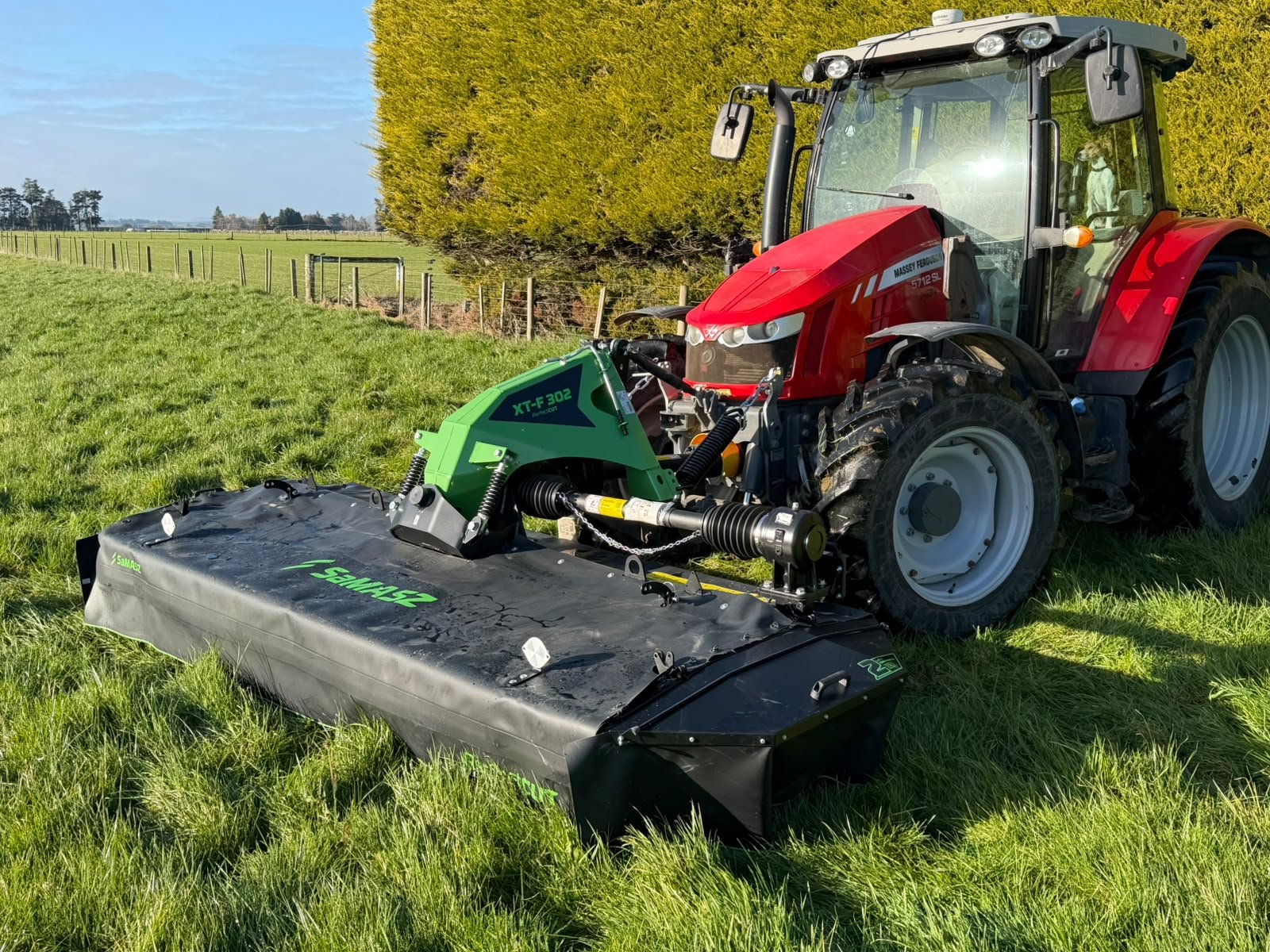
Why this Southland machinery expert rates Samasz for mowing
When Charlie Milne decided it was time to update the mowing equipment on his own farm, he found himself facing the same decision many of his customers do.
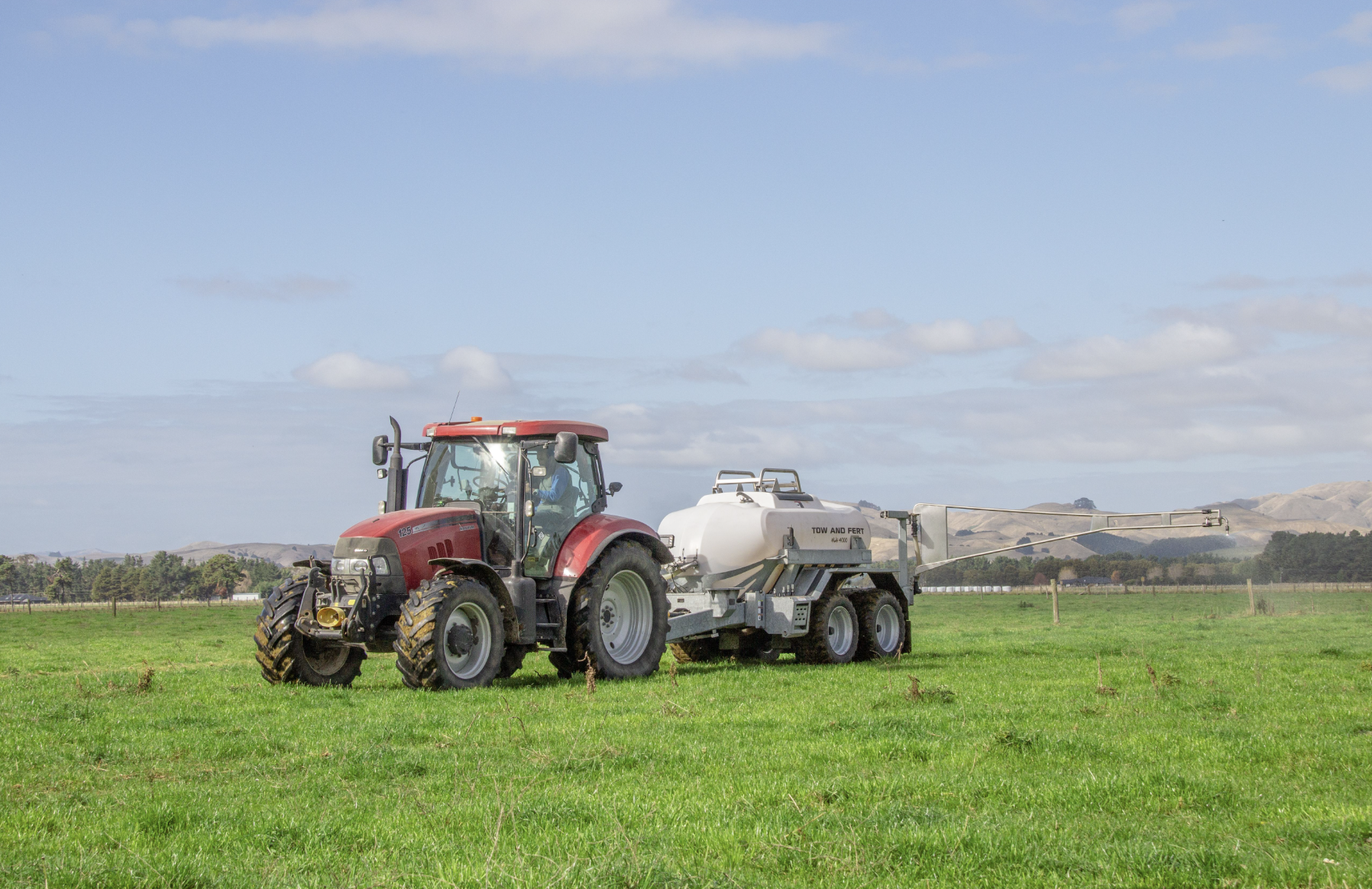
Redefining foliar application
Modern nutrient management is increasingly about more than the fertiliser product itself. The challenge also lies in how those nutrients are delivered.
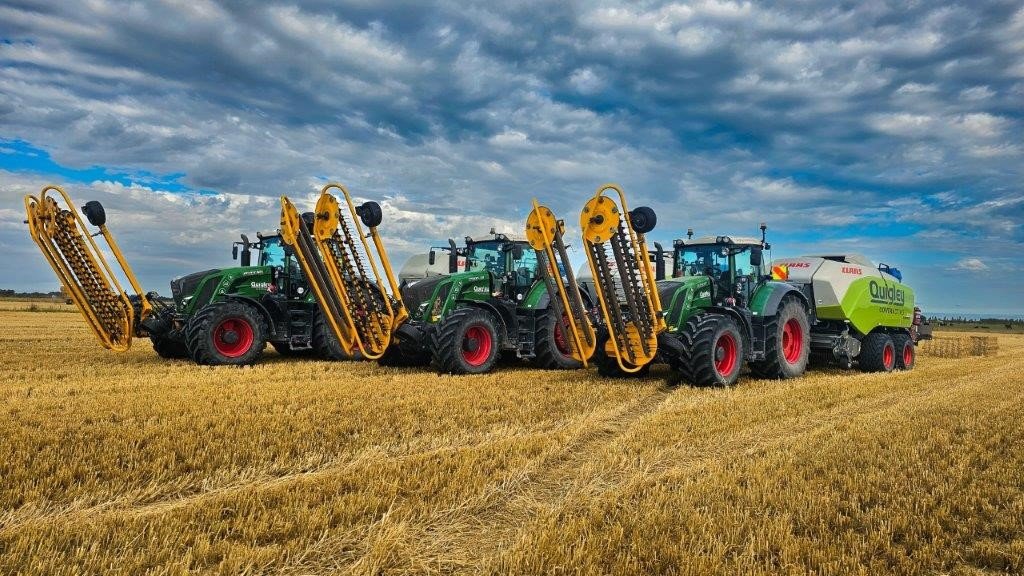
Protecting forage before quality is lost
Every tonne of hay or silage carries a finite amount of energy and protein that has been produced through months of crop growth.
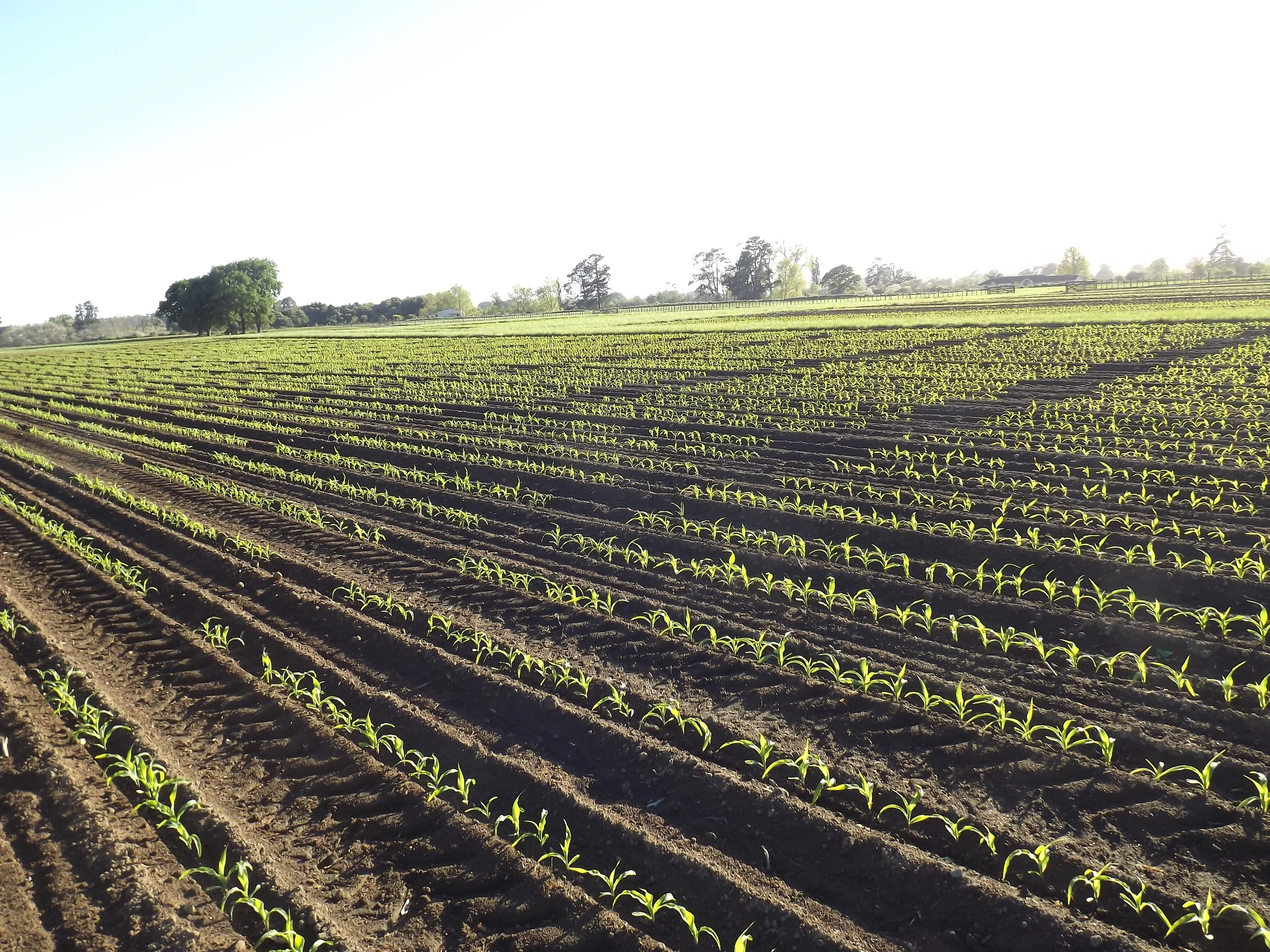
Protect your maize silage investment, says researcher
Despite the cost of growing a maize silage crop rising about 30% in the last four years, growers should not be tempted to cut corners which could result in a reduced yield, Corson Maize National Research Manager Mike Turner says.
Contour without compromise
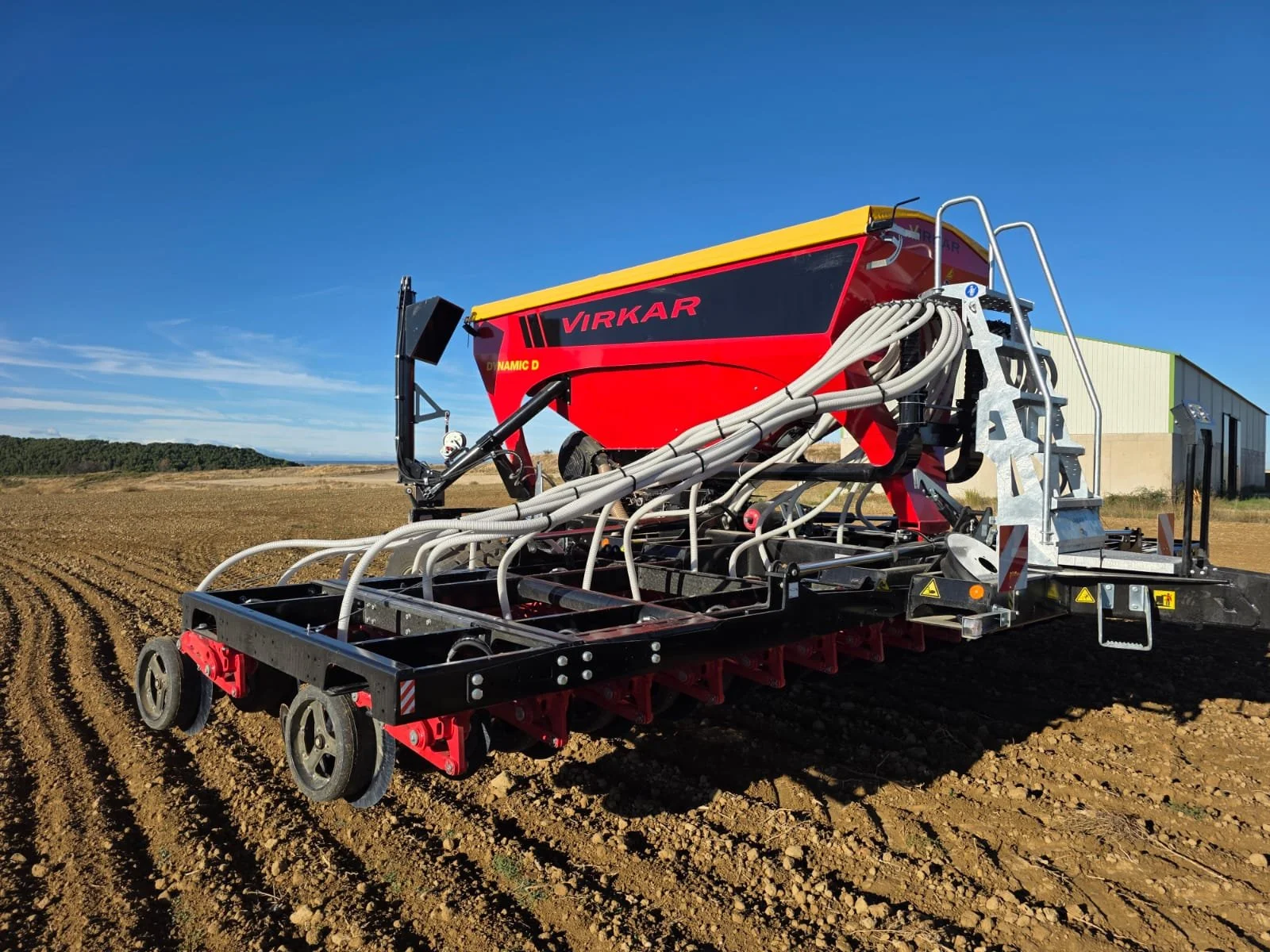
The challenge with modern direct drilling has never been putting seed into the ground. It has been putting every seed into exactly the right place when the ground refuses to cooperate.
Fusion 4 Plus builds on McHale’s baler-wrapper formula
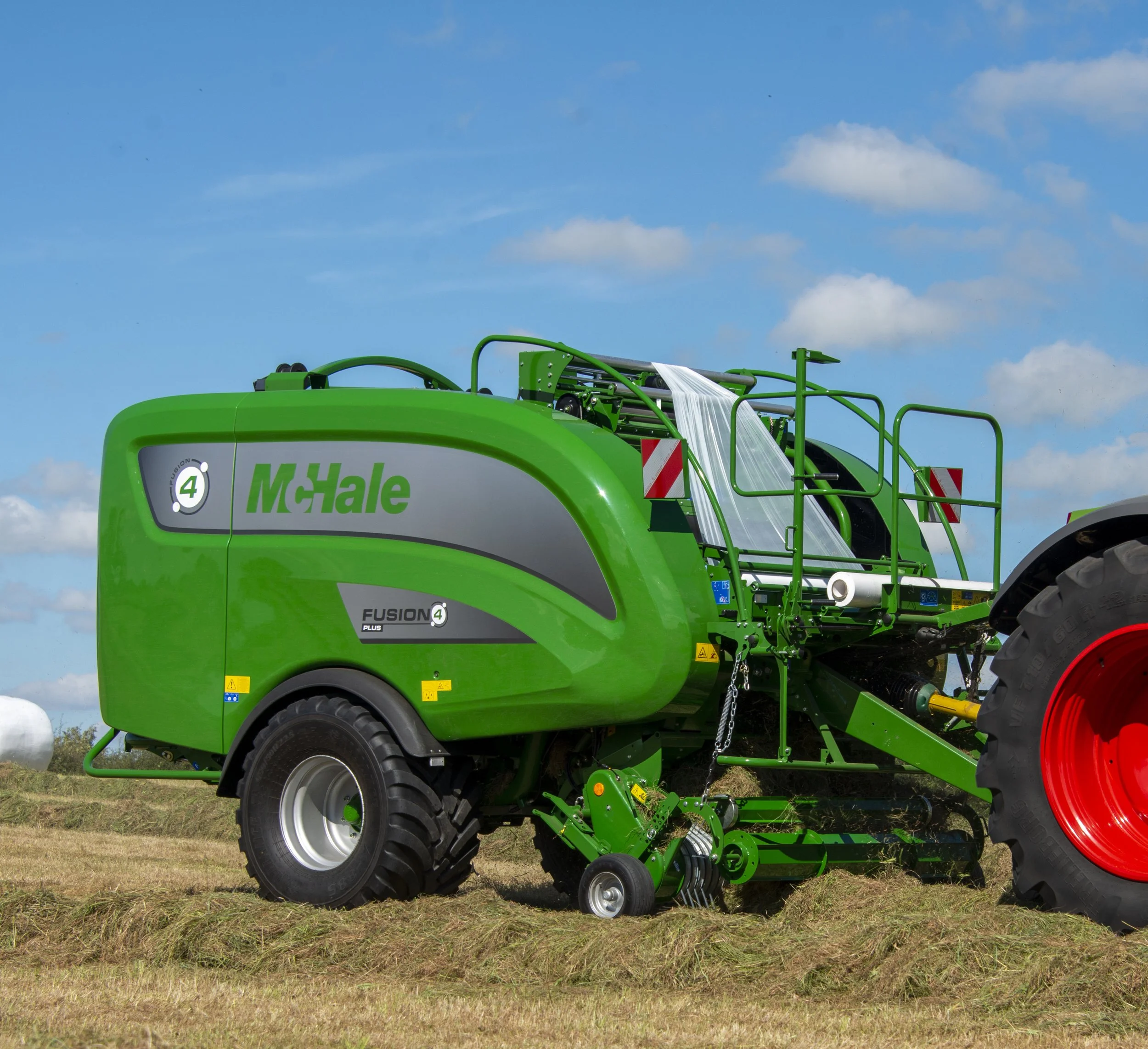
For operators working through short silage windows, output from a baler-wrapper is determined by considerably more than how quickly a bale can be formed.
Your tank may be clean, but is it All Clear 2X clean?
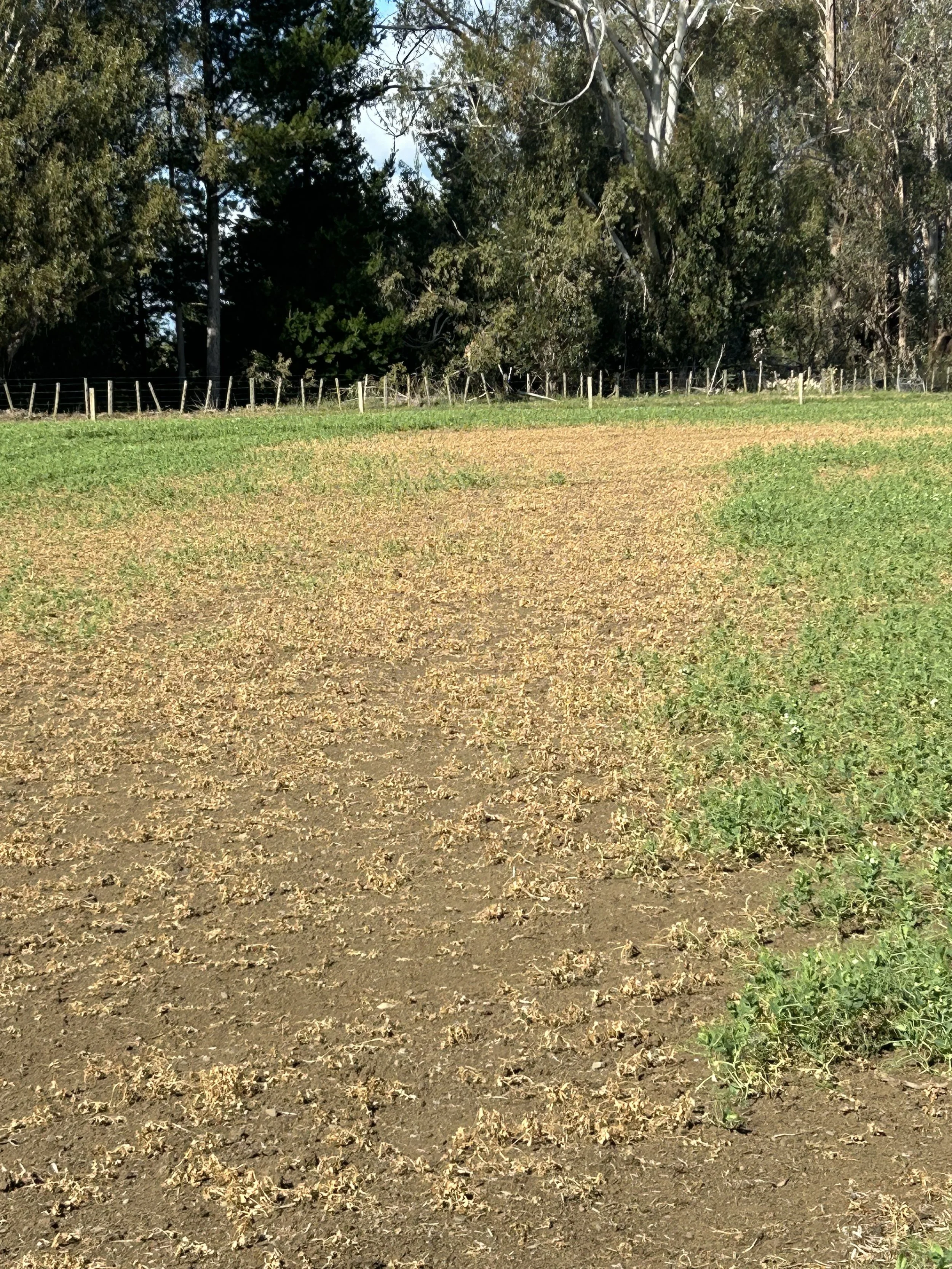
Spray equipment contamination is one of the most underestimated causes of crop damage in agriculture.