
Bringing cultivation and bed forming together
In a paddock where timing is tight, seasons are unforgiving and every pass counts, having an implement that can combine tasks without compromising results is a tangible advantage. The Farmgard Combovator Bed Forming System-Maxi-P is one such tool designed to bridge the gap between cultivation and bed forming in a single, efficient operation. It is not machinery born of novelty but of practical problem-solving, allowing operators to work soil and shape beds in one pass rather than multiple trips across the ground. This kind of efficiency matters to contractors and cropping farmers alike, particularly as pressure grows on seasonal windows and input costs remain sharp.
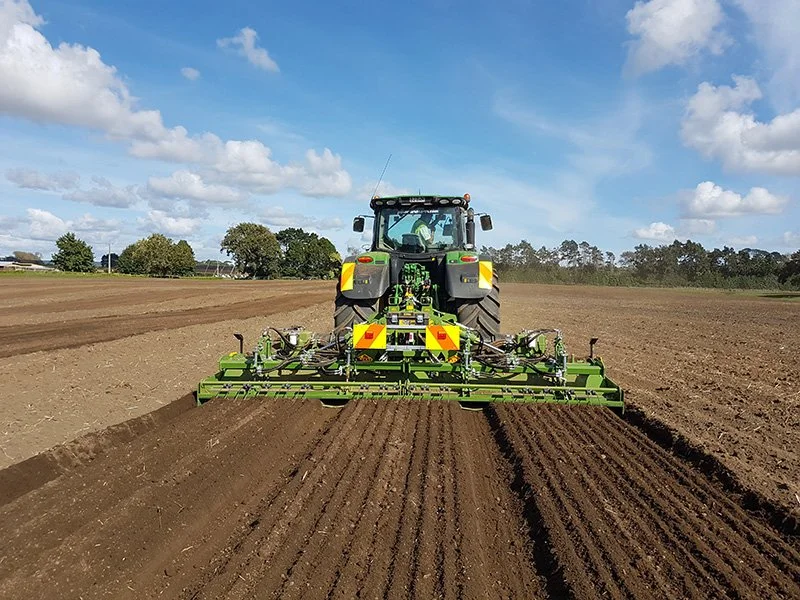
At its core, the Combovator Bed Forming System is a modular solution that bolts on to a power harrow or rotary tiller and turns that base implement into a 2-in-1 cultivation and bed forming machine. Rather than relegating bed formation to a separate attachment or follow-up pass, the Combovator system allows soil to be tilled and then shaped into raised beds in a single movement, saving time, fuel and tractor hours. The simplicity of the concept belies its operational impact, especially in systems where raised beds are central to crop establishment.
One of the defining features of the system is its adaptability. The bed former can be fitted or removed from the power harrow or rotary tiller as conditions demand, meaning farmers and contractors are not locked into a single configuration. This flexibility reflects a design ethos that recognises the unpredictable nature of farm work, where one paddock might need cultivation alone and the next requires beds ready for planting. The triple hydraulic control through a Z-link system gives the operator authority over depth, tilth and consolidation from the tractor seat, allowing quick adjustments on the move without stopping to make manual changes.
Hydraulics do more than make adjustments convenient. They allow the Combovator to operate effectively in a range of soil types and conditions, from lighter soils that require gentle handling to heavier clays that demand more robust consolidation. The pontoon system, which is adjustable and can be tailored to specific bed shapes or wheel centres, works in harmony with the base harrow or tiller to contain and shape soil rather than scatter it. It is a deliberate departure from the idea that cultivation and bed forming must be sequential tasks; instead, this system treats them as integrated steps in preparing seedbeds that are ready to go.
For operators, that integration translates into a reduction in passes across the paddock, which in turn can mean lower diesel use, less compaction and better retention of soil moisture. In seasons where rain or dryness can drastically reduce the number of workable days, reducing passes without compromising quality is not a marketing claim but a practical outcome. Contractors in particular will appreciate a machine that steps into a workflow and saves time without asking for specialised operation or complex setup.
The Maxi-P platform extends these capabilities into larger tractors and wider working widths, supporting machines from about 250 up to 450 horsepower. This makes the system suitable for both broadacre crop preparation and larger-scale operations where bed forming is a cornerstone of cropping systems such as root crops or brassicas. Working widths available under the Maxi-P banner provide flexibility for farm units of varying sizes, making the Combovator a practical choice for operators who need capacity without sacrificing control.
Adjustable pontoons lie at the heart of that control. Designed to be bolted on and interchangeable, they allow bed dimensions and profiles to be changed without significant downtime. This is important in farms where different crops require different bed profiles, or where wheel track requirements vary between tractors. With a bed former that lifts clear for standard cultivator work, the machine can be converted quickly for other tasks, reducing the need for multiple dedicated implements and the capital outlay that comes with them.
One of the features that operators often notice only after using the machine for a season is the way the Combovator system manages soil consolidation. Rather than relying on rear rollers alone, the combination of hydraulic control and adjustable pontoons allows soil to be shaped and firmed simultaneously, leaving beds that are not only the correct shape but also possess the structure needed for planting and early growth. For crops where precision and consistency are important, having a firm, uniform bed before planting can influence final emergence and yield potential.
Maintenance and daily use have also been considered in the design. By building on a familiar power harrow or rotary tiller platform, the Combovator avoids introducing overly specialised components that can be difficult to source or service. Operators experienced with conventional cultivation equipment will find the transition to a Combovator straightforward, with service points and adjustments falling within the expected routine of harrow and tiller upkeep.
For contractors who work across different soil types, paddock histories and crop requirements, the ability to adapt equipment quickly is essential. The Combovator’s hydraulic control over bed shape, consolidation and depth allows a level of on-the-go adjustment that suits varied conditions, whether that means working trashy ground after a cover crop, shaping beds in moisture-rich soil after rain, or preparing seedbeds in drier conditions. The flexibility built into the system means it is not restricted to a narrow set of conditions but can be called on as a genuine all-round solution.
From a broader perspective, the rise of bed forming systems like the Combovator reflects evolving cropping practices where raised beds play a role in drainage, root development and mechanised harvesting. Implementing beds at the right stage, with the right profile and without consuming valuable hours through multiple passes is increasingly part of the equation for growers looking to maximise efficiency. The Combovator’s one-pass philosophy tears down the traditional separation between preparation and formation, offering an integrated approach that meets the needs of contemporary farm systems.
Ultimately, the Farmgard Combovator Bed Forming System-Maxi-P is not just a machine, it is a response to how operators are working today. It recognises that time is money, that soil health matters and that machinery must be versatile without being complicated. For operators pushing hectares through tight windows and for farmers seeking reliable crop starts with minimal fuss, this system delivers a pathway from rough ground to neat, seed-ready beds in a way that makes sense both agronomically and economically. It is a tool built not around concepts but around results, and in that it reflects the core demands of modern land preparation.