
Breaking Ground the Right Way
There is a moment in every cropping season when the decisions made months earlier start to show themselves in the paddock. It might be the way a crop establishes evenly across a slope, the way water runs clean rather than muddy after rain, or simply the confidence that comes from knowing the paddock was chosen and prepared with purpose. Crop establishment is rarely dramatic, yet it is one of the most influential stages in any farming system because it determines not only yield, but cost, risk and environmental outcome.
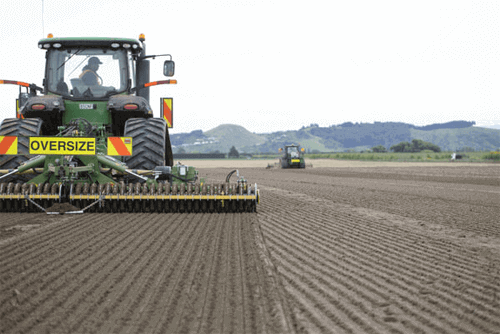
The reality is that crop establishment is not just about putting seed in the ground. It is about understanding how the paddock, the soil and the wider farm system interact long before the drill arrives. Increasingly, the conversation around establishment is shifting from technique alone to planning, because modern farm systems demand that cultivation decisions support productivity while also protecting soil and water.
One of the clearest messages emerging from recent guidance is that paddock choice remains the single most important factor in successful establishment. Slope, drainage, soil structure and proximity to waterways all shape how a crop will perform and how resilient the paddock will be under pressure. Establishing crops on steeper ground or in areas prone to runoff increases the likelihood of soil movement, nutrient loss and costly remediation later. Choosing the right paddock at the outset reduces those risks and often delivers stronger yields with fewer inputs.
Soil condition sits at the centre of this discussion. Cultivation inevitably exposes soil to the elements, which increases the potential for erosion and nutrient loss during wet periods. Protecting soil structure therefore becomes a key part of the establishment process. Maintaining uncultivated buffer zones around waterways, swales and gullies helps trap sediment before it leaves the paddock, while preserving critical source areas in grass reduces the chance of runoff concentrating during heavy rain. These measures are not just compliance exercises, they are practical steps that help retain the productive capacity of the land.
The importance of slope management is also becoming more widely recognised. Establishing crops on gentler slopes reduces the likelihood of soil movement and improves the ability of rainfall to infiltrate rather than flow across the surface. Where slopes become steeper, the risks multiply quickly, and careful planning or consent may be required before cultivation even begins. These considerations highlight a broader truth about establishment: the most effective cultivation decisions often happen well before machinery enters the paddock.
Planning timelines reflect this reality. Successful winter cropping, for example, can be an eighteen-month process from paddock selection through to re-grassing. That long lead-in emphasises how establishment decisions ripple through the entire farm system. Feed supply, wintering strategy, spring recovery and pasture renewal are all shaped by how and where crops are established.
Crop establishment also has a direct influence on grazing management later in the season. The way a paddock is laid out, the direction of grazing and the placement of buffers can significantly reduce soil damage and nutrient losses once animals are introduced. Directional grazing, for instance, has been shown to reduce soil and phosphorus losses dramatically by guiding animals away from vulnerable areas and maintaining better soil cover. Establishment therefore does not end with the crop emerging, it sets the framework for how that paddock will be used months later.
Another factor increasingly shaping establishment decisions is the need to protect soil from compaction and pugging. Winter grazing of forage crops is an essential part of many systems, yet it also carries risks for soil structure and water quality. Establishing crops in paddocks with resilient soil types, providing back fences and ensuring animals have adequate space and shelter all help reduce the likelihood of long-term soil damage. These considerations underline that crop establishment is as much about preserving the soil for future seasons as it is about producing feed in the current one.
There is also a growing recognition that establishment choices influence nutrient dynamics across the farm. Cropping can increase the risk of nitrogen losses, particularly when soils remain bare after grazing. Integrating follow-on crops or catch crops into the establishment plan can help capture residual nutrients and reduce leaching, turning what might otherwise be a loss into productive feed. This systems approach reflects a broader shift in farming, where establishment decisions are being viewed through a whole-farm lens rather than as isolated paddock events.
From a contractor’s perspective, these changes are reshaping expectations around cultivation work. The role of the contractor is no longer simply to prepare a seedbed, it increasingly involves working with the farmer to understand the paddock plan, the buffer layout and the grazing strategy that will follow. Communication between farmer and contractor has therefore become a critical part of successful establishment, because the cultivation pattern often determines how the paddock will function through the season.
The Ground Breaker theme is fitting here, because modern crop establishment is less about breaking ground and more about understanding it. Technology, planning tools and environmental guidance are helping farmers refine how they approach cultivation, but the underlying principles remain grounded in good observation and long-term thinking. The best established crops are rarely the result of aggressive cultivation or complex machinery alone. They are usually the outcome of careful paddock choice, thoughtful timing and a clear understanding of how the soil behaves.
What this means in practice is that crop establishment is increasingly becoming a strategic decision rather than a routine seasonal task. It sits at the intersection of feed supply, environmental management and farm profitability. Done well, it supports animal performance, protects soil and reduces future costs. Done poorly, it can lead to lost production, damaged paddocks and compliance headaches that linger long after the crop has been grazed.
In the end, the most important part of crop establishment may be the thinking that happens before the tractor turns a wheel. When paddock selection, soil protection and grazing strategy are aligned from the outset, the crop itself becomes the visible result of good planning rather than the starting point of it. That shift from reactive cultivation to planned establishment is shaping how New Zealand farmers approach cropping, and it is likely to define the next phase of productivity gains across the sector.