
Young thinking infuses RCNZ Board
Some real insights into next-generation thinking were provided to a strategic focus session at the first Rural Contractors NZ board meeting of the year, where four younger contractors were invited to share their views on the current state of the industry and how the organisation can best connect with those who represent its future.
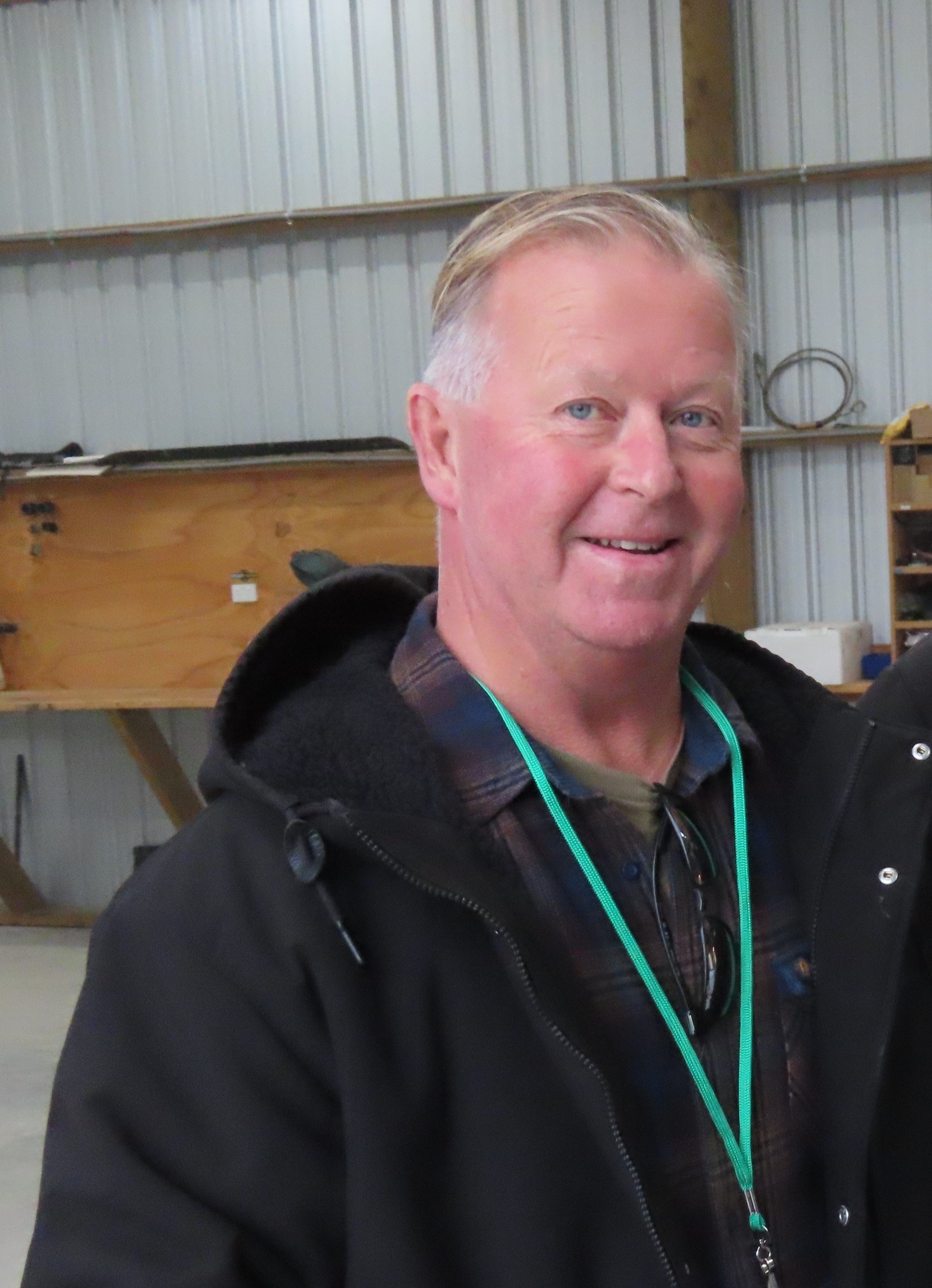
RCNZ Chief Executive Andrew Olsen says the session gave the Board plenty to reflect on, particularly around how communication, training, recruitment and business pressures are evolving within the sector.
“Most of our Board are senior figures in the industry, none of whom pretend to know it all, so we welcomed the opportunity for four up and comers to give us their views on a raft of themes including communication, training, business challenges and recruitment,” he says.
Those attending the strategy session were Beau Drinnan from Scott Ag in the Wairarapa, Michael Austin from John Austin Agricultural Contracting in the Waikato, Doug Caldwell from Caldwell Contracting in Southland and Jayden Warner from Central Feeds in South Canterbury.
Andrew says one key message was that the organisation still faces a challenge in reaching members effectively, particularly during busy parts of the season when contractors are focused on keeping machines moving and staff organised.
“We know contractors young and old aren’t always looking at their emails, especially during the season. A lot of the information we provide is important to how members operate and they have to try to prioritise finding time to look at it once a week.”
The discussion also highlighted that there is no single communication platform that works for everyone, although the RCNZ Facebook page was seen as useful even if it is not checked daily, which can mean messages are sometimes viewed later than intended.
“If it’s super urgent they told us they prefer phone calls, which presents its own challenges for a small organisation like ours,” Andrew says.
Another point raised was the shift in expectations among younger contractors, particularly around work–life balance and staff wellbeing. While contracting remains a seasonal and high-pressure industry the next generation is increasingly aware of fatigue risks, staff mental health and the need to manage psychosocial pressures such as bullying or stress.
“One commented, only partly in jest that a degree in psychology might be the most useful qualification for rural contracting business managers,” Andrew says.
The group also discussed training pathways, with broad agreement that the future lies in practical, business-relevant micro-credentials and on-the-job learning rather than purely academic routes.
Word of mouth was still seen as the most effective recruitment tool, reflecting the tight-knit nature of the contracting community.
When asked what keeps them awake at night, the responses centred on retaining clients in a competitive environment, maintaining enough skilled staff and managing the rising cost of machinery.
“Our Board was really impressed with the insights these young contractors provided. I think we also saw that we weren’t that far apart on the big issues. We are grateful to their employers for allowing them time off. It gave us some real confidence that our industry’s future is secure having seen such confident and capable talent.”
Olsen says opportunities for those conversations to continue will come soon, with Christchurch set to host the next Rural Contractors NZ conference from June 15 to 17 at the Chateau on the Park DoubleTree Hilton. The event will again be free for members to attend.
“Our Board has confirmed that given the strength of our balance sheet we can again provide this at no cost to each RCNZ member and up to three other attendees,” he says.
“We can’t think of another organisation that offers its members such value, with a free conference as well as the alternate roadshows.”
The conference will begin on the afternoon of Monday June 15 with hosted drinks and sponsor networking, before moving into a programme that includes field visits and industry sessions.
Tuesday’s programme will feature two visits hosted by premium partners, including a session with Nufarm aimed at agrichemical members that will focus on new products and practical advice on achieving the best results in the paddock.
For Andrew, events like the conference reinforce the importance of staying connected with members across all stages of their careers.
“The conversations we’re having now about communication, training and business pressures are exactly the ones we want to keep building on at conference and through the year. It’s about making sure the organisation keeps evolving with the industry it represents.”