
Ag and Civil Machinery Direct strengthens its forage and land development offering
There is a steady confidence that comes with a distributor quietly building depth in its product offering, and in the case of Ag and Civil Machinery Direct Ltd, that confidence is now translating into a more defined presence across both forage harvesting and land development equipment in New Zealand.
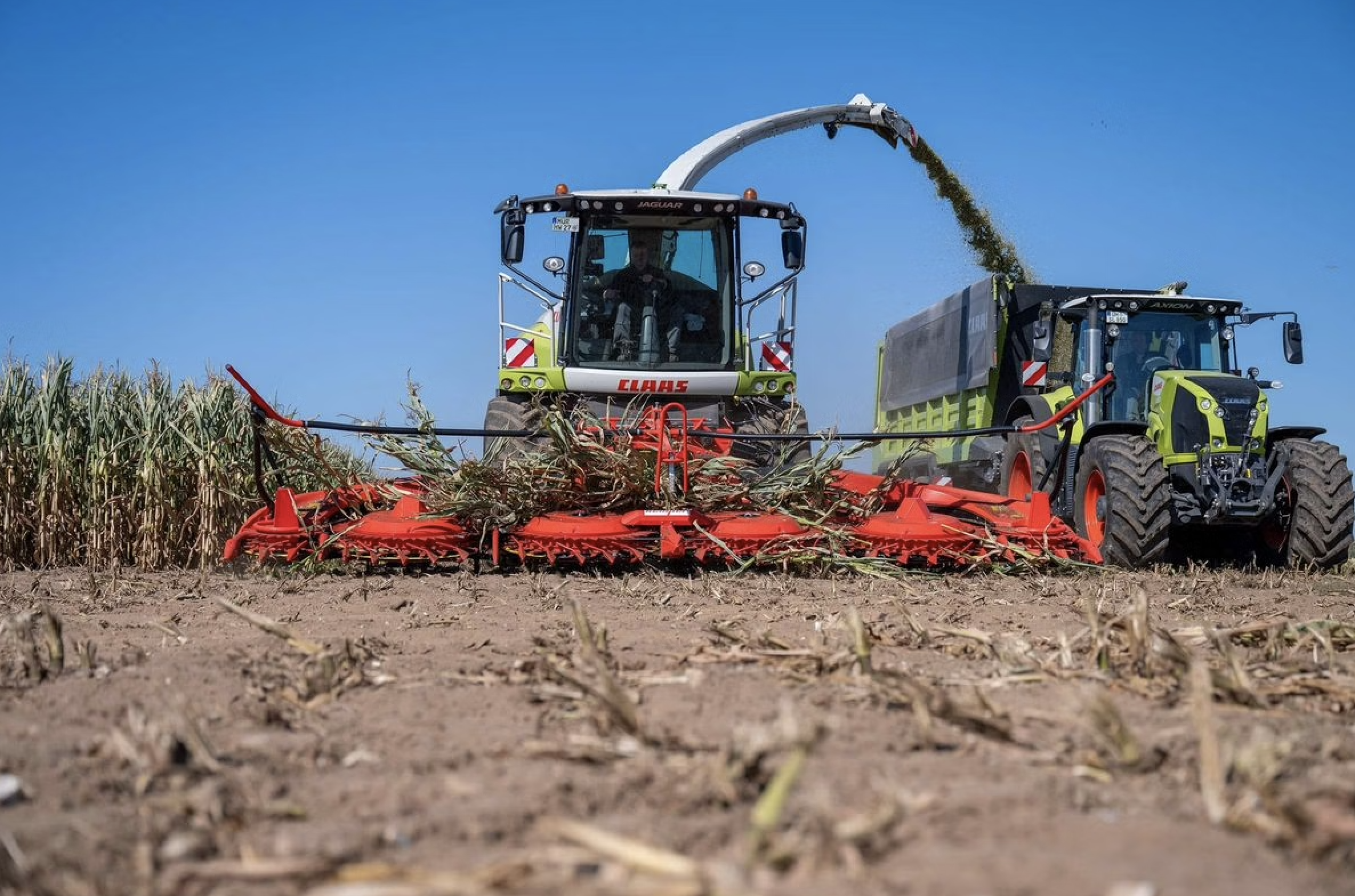
Over the past 12 months, the business has continued to strengthen its position in the forage space through its partnership with Kemper, a brand that has quickly regained traction since being relaunched locally at Fieldays last year, with solid uptake across both maize fronts and grass headers and a reconnection among contractors who are increasingly focused on output, chop quality, machine reliability and the parts and service back up that go hand in hand with critical equipment.
The Kemper range has always been built around strength, reliability, high-capacity harvesting and that focus is clearly resonating in New Zealand conditions, where short weather windows and large volumes demand equipment that can perform consistently under pressure. The introduction of the new 460 Pro-series maize front is a clear example of that direction, offering contractors a front designed to handle high tonnage crops while maintaining feed quality through consistent crop flow and reduced losses.
Alongside that, the upcoming C30 series grass front signals further intent from Kemper to broaden its appeal beyond maize and into grass silage systems, which remain a critical part of many New Zealand contracting operations. While still in the pipeline for the local market, the addition of a new generation grass front reflects the ongoing evolution of forage equipment, where versatility and efficiency across multiple crop types is becoming increasingly important.
Complementing that forage offering is a significant development that has the potential to reshape another critical part of the silage equation. Ag and Civil Machinery Direct Ltd has recently been appointed as the full New Zealand supplier for Scherer kernel processors, aligning closely with its Kemper portfolio and opening new opportunities within the maize silage sector.
Kernel processing remains one of the most important factors in determining silage quality, particularly in maize where starch availability directly impacts feed value. Poorly processed grain can lead to significant losses in digestibility, while effective processing improves animal performance and feed efficiency. By relaunching Scherer in the New Zealand market as a dedicated supplier, the business is positioning itself at the centre of that conversation.
Scherer has built a reputation globally and here in New Zealand for producing high-performance kernel processors and replacement rollers, supplying components across a wide range of forage harvester brands. That cross-compatibility is a key advantage, particularly in a market like New Zealand, where contractor fleets often consist of mixed machinery. The ability to source market-leading processors, along with parts and replacement rollers for multiple brands of chopper, creates a level of flexibility that has not always been readily available.
For contractors this is not just about upgrading machinery, but about maintaining performance over time. Wear on kernel processors is inevitable, and having access to high-quality replacement components can make a measurable difference to chop quality and ultimately to the value of the silage being produced. It is a space where incremental gains can add up quickly, particularly at scale.
While forage equipment continues to be a major focus, Ag and Civil Machinery Direct Ltd is also expanding its footprint in the forestry and land development sector, an area where it has operated for a number of years but is now pushing further with an extended MeriCrusher range.
The expansion of MeriCrusher equipment reflects a broader shift in how contractors and landowners are approaching land clearing, track maintenance and on-farm infrastructure development. Rather than relying solely on traditional methods, there is increasing demand for machinery that can deliver efficient, one-pass solutions for mulching, rock crushing and ground preparation.
Historically, the business has supplied the MJS range of forestry clearing machines, but the expansion into the MJHS series and the MeriRoad RC65 and RC90 models significantly broadens its capability. These machines are designed to handle a wide range of applications, from forestry mulching through to road construction and maintenance, offering a level of versatility that aligns well with the diverse requirements of New Zealand conditions.
The introduction of the new RC65 model, which will be on display at Fieldays, is particularly relevant for contractors working in track maintenance and farm access development. In many parts of the country, maintaining reliable access across challenging terrain is an ongoing issue, and machinery that can combine rock crushing, levelling and surface preparation in a single operation offers clear efficiency gains.
This expansion into MeriRoad range also reflects a growing recognition that contracting businesses are increasingly diversifying their service offerings. Seasonal pressures in one area are often balanced by opportunities in another, and having access to machinery that can operate across multiple sectors provides a degree of resilience that is becoming more important.
The focus for Ag and Civil Machinery Direct Ltd is clear. While Kemper continues to build on its early success and reinforce its position in the forage market, the key launches for this year centre around the introduction of Scherer as a dedicated kernel processor supplier and the expansion of the MeriCrusher range with new models.
Taken together, these developments, along with their other current long-term partners, point to a business that is not simply adding products for the sake of it, but is building a more complete offering around the needs of contractors and large-scale operators. Whether it is improving chop quality in maize silage, increasing efficiency in harvesting, or providing practical solutions for land development and infrastructure, the direction is consistent.