
Good agricultural practice begins with spray tank hygiene
Good agricultural practice starts well before a sprayer enters the paddock, with tank hygiene, product selection and understanding the water going into the spray mix all playing a part in achieving an effective application.
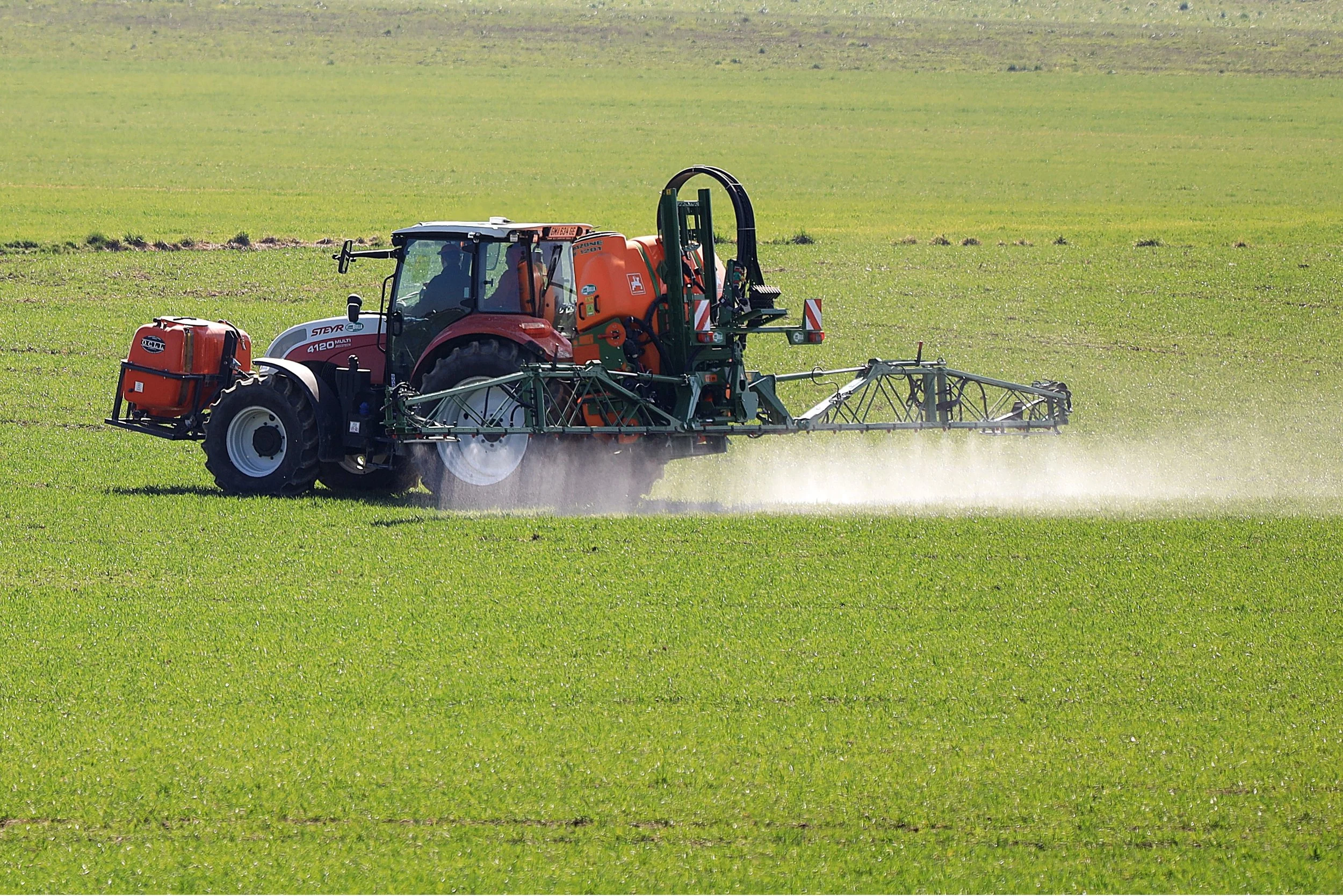
For UPL NZ Ltd Technical Market Development Manager and adjuvant expert Pieter Van Der Westhuizen, one requirement is non-negotiable when switching between chemistries.
“You have to clean the tank,” says Van Der Westhuizen.
And that means more than simply rinsing it out or relying on products that were never designed for sprayer decontamination.
“Cleaning spray tanks with laundry powder or ammonia is not going to remove every trace of spray. You may think the tank is clean, but products can still be there. All Clear 2X is the insurance policy spray contractors need,” says Van Der Westhuizen.
PGG Wrightson Technical Specialist Agronomy and Precision Ag Gary Bosley agrees that many contamination issues can be traced back to inadequate tank cleaning, particularly where tanks have been rinsed with water alone or with products not specifically designed for sprayer decontamination.
“On far too many occasions I have witnessed unnecessary crop damage from tank contamination caused by poor hygiene. In nearly all occasions the sprayer tanks have been washed with either just water or a product not designed to clean sprayer tanks,” says Bosley.
“There are some chemicals that have very high activity on some plant species at extremely low levels, for example Group 2 sulfonylureas on brassica and beet species. This is why we always recommend using a sprayer tank cleaner that is designed and proven for the purpose of cleaning sprayer tanks and neutralising agrichemical products.”
The consequences of getting that wrong can extend well beyond having a dirty sprayer. Residues left in the tank, plumbing, filters or other parts of the spray system can potentially stunt a following crop, reduce plant vigour or, in severe cases, cause significant crop damage.
Van Der Westhuizen says another surprisingly common problem is operators becoming so familiar with a product or crop that they stop referring to the label.
“Even if you’re familiar with the product and the crop, it’s always best to check,” says Van Der Westhuizen.
Tank hygiene is only one part of good spray practice. Managing where the product goes once it leaves the nozzle is equally important, both for application efficacy and for protecting neighbouring properties and the wider environment.
“Spray drift needs to be managed to maximise value, reduce waste and minimise risk,” says Van Der Westhuizen.
With increasing scrutiny around spray drift and its potential impact on neighbouring properties, he says drift-management products such as Li-1000 and Unison can play an important role. Li-1000 is used by both ground and aerial spraying contractors, particularly where operators are trying to make the most of limited application opportunities.
“Contractors often have tight spray windows. Spray drift control products can help deliver more certainty,” says Van Der Westhuizen.
Choosing an adjuvant that is appropriate for the chemistry being applied is another important consideration. Adjuvants perform a range of functions within a spray mix, including helping droplets spread across the target, improving wetting and assisting active ingredients to penetrate the plant.
“If you’re using a water-based chemical, then use a water-based adjuvant. If you’re using an oil-based chemical, pair it with an oil-based adjuvant,” says Van Der Westhuizen.
Crop oils, crop oil concentrates and methylated seed oils can disrupt the waxy surface of plants and are important for achieving efficacy with some crop protection products. Water-based adjuvants can perform different roles within spray mixes, acting as surfactants, wetting agents or water conditioners depending on the product and application.
Van Der Westhuizen says simply increasing water volume should not be confused with achieving better coverage. Water has relatively high surface tension, which can restrict how readily droplets spread across the target surface.
“Water’s high surface tension doesn’t give the spread or coverage needed for optimal performance,” says Van Der Westhuizen.
“The adjuvant Du-Wett reduces the surface tension of spray droplets. One spray droplet containing Du-Wett can provide up to twenty times the spread of active compared to a crop protection product applied without an adjuvant and at least six to eight times compared to a conventional non-ionic surfactant.”
Water quality itself can also have a considerable influence on spray performance, particularly where contractors are filling from different water sources as they move between properties.
Van Der Westhuizen says hard water can be particularly problematic because dissolved minerals can interact with some active ingredients before the spray reaches its intended target.
“Water hardness has one of the biggest negative impacts on spray performance and that can vary, depending on the water source,” says Van Der Westhuizen.
The result can be reduced efficacy and a compromised application, but Van Der Westhuizen says the problem can be addressed by using an appropriate water conditioner.
UPL’s X-Change is designed to act as a sacrificial product by binding free ions in hard water that could otherwise interact with and reduce the effectiveness of some agrichemicals.
“Some chemicals, including glyphosates, are very susceptible to the effect of hard water, which in turn impacts efficacy,” says Van Der Westhuizen.
For contractors, the common thread through tank hygiene, drift management, adjuvant selection and water conditioning is understanding what is going into the sprayer and how those components interact. A clean tank provides the starting point, but getting the best from an application also means reading the label, matching the adjuvant to the chemistry and taking account of both spraying conditions and water quality.
For more information on good agricultural practice, talk to your local technical representative or contact UPL NZ Ltd Technical Market Development Manager Pieter Van Der Westhuizen on 021 392 740.