
Market access is never guaranteed
For an export-dependent country like New Zealand, market access is often treated as something we either have or don't have. Secure a trade agreement, meet the required standards, build customer relationships and get on with producing quality food. The reality is far more complicated.
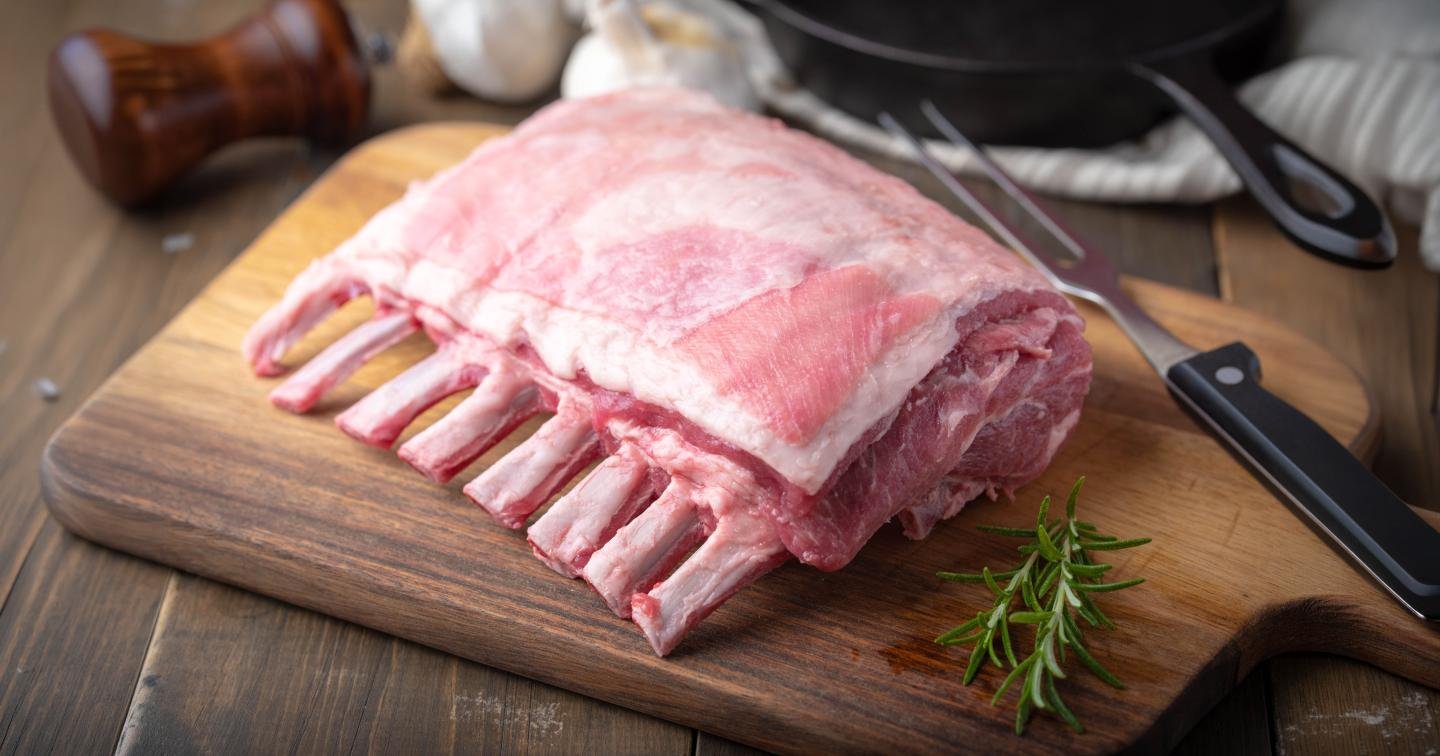
A recent decision by the United States to launch a global safeguard investigation into lamb imports is a timely reminder that access to international markets is never permanently secured. It can be challenged, reviewed or restricted, not necessarily because exporters have done anything wrong, but because domestic political pressures in importing countries can change.
The United States has asked its International Trade Commission to investigate whether imported lamb has caused serious injury to the American sheep industry. While the investigation applies globally rather than targeting New Zealand specifically, our exports are very much part of the process. If the Commission ultimately concludes there has been serious injury, it could recommend measures including higher tariffs on imported lamb.
For New Zealand sheep farmers, that inevitably creates uncertainty.
The United States has become one of our most valuable lamb markets, consistently delivering strong returns for exporters and farmers alike. Losing competitiveness through additional tariffs would not simply affect exporters. It would ultimately flow back through the supply chain to farmgate returns.
What is encouraging is that this is not an issue the sector has stumbled into unprepared.
Beef + Lamb New Zealand and the Meat Industry Association have clearly been expecting some form of action for some time. Specialist legal representation has already been engaged in Washington, government officials are involved and industry leaders have been working with American counterparts well before the investigation formally began.
That preparation matters because safeguard investigations are not political slogans. They are structured legal processes requiring evidence, submissions and detailed economic analysis.
Equally important is the industry's confidence in its own position.
Beef + Lamb New Zealand argues New Zealand exports are not responsible for the challenges facing the US sheep industry. Instead, New Zealand lamb largely complements domestic production by filling seasonal supply gaps and serving market segments that American production alone cannot consistently supply. It also points out that strong consumer demand has helped drive record prices for American lamb, suggesting imports have supported rather than undermined the market.
History also provides some perspective.
The United States imposed safeguard measures on New Zealand lamb imports in the late 1990s, only for those actions to later be ruled unjustified through the World Trade Organization and eventually removed. That doesn't guarantee the same outcome this time, but it does demonstrate that trade disputes often play out over years rather than weeks.
The investigation also reinforces a broader lesson for New Zealand agriculture.
Diversified export markets remain one of our greatest strengths.
No exporter enjoys seeing uncertainty emerge in a premium market, but New Zealand's red meat industry today is far less dependent on any single destination than it once was. Access to North America, Europe, the United Kingdom, China, the Middle East and numerous Asian markets provides resilience that many competing exporting nations simply don't have.
That diversity has taken decades to build and should never be taken for granted.
Neither should the relationships that underpin it.
This year marks 100 years since the first shipment of New Zealand beef and lamb entered the United States. That century-long trading relationship has been built on trust, quality and reliability rather than short-term opportunity. It is in everyone's interests for that relationship to continue.
Ultimately, the safeguard investigation is unlikely to change what New Zealand farmers do tomorrow morning. They will continue producing high-quality lamb as they always have.
What it does reinforce is that producing world-class food is only part of the equation.
Protecting access to the customers willing to pay for it requires constant work, strong advocacy and a willingness to defend New Zealand's reputation whenever it is challenged.
Market access is never a finished job. It has to be earned, protected and, from time to time, defended.