
Technology update: Claas connect keeps forage operations connected
For forage contractors and farmers, every hour during silage season counts. Weather windows are often short, multiple machines are working across different paddocks, and keeping operators, support vehicles and customers informed can be just as important as keeping the harvester moving.
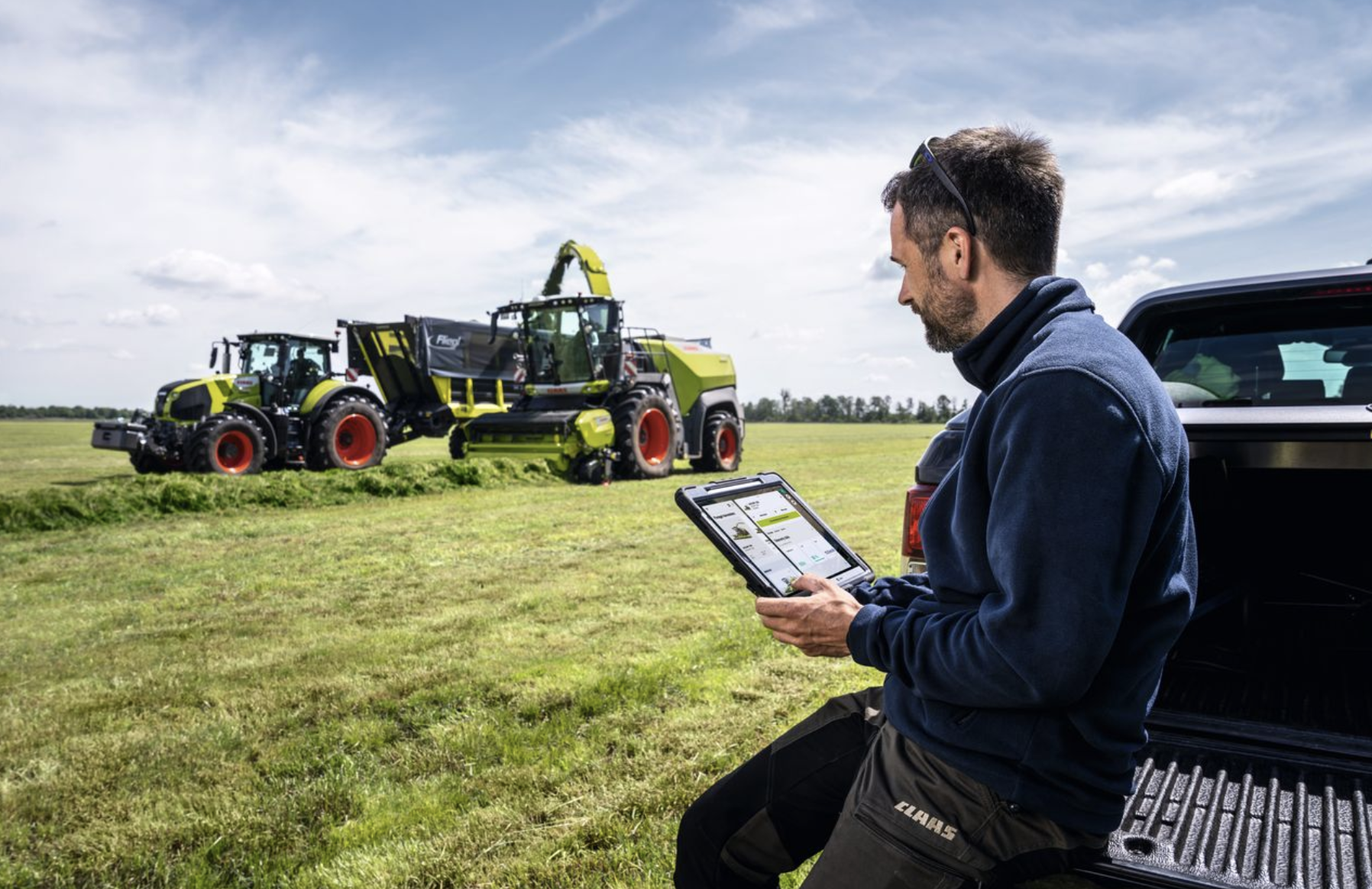
That is where Claas connect is continuing to evolve. More than simply a machine management platform, it brings machine data, fleet visibility, field records and service support together in one connected system, helping forage businesses make quicker decisions and spend less time chasing information.
Whether accessed from the office, the tractor cab or a mobile device, Claas connect gives owners of any Claas machine a central place to access operator manuals, parts information and connected machine data. For connected machines, users can also monitor performance, compare machine efficiency and utilise tools such as Cemos Advisor and chop quality monitoring to help optimise harvesting performance and maintain silage quality throughout the season.
A significant enhancement is the introduction of annual licence options that unlock additional functionality, including advanced machine reporting, field documentation, fleet optimisation, satellite imagery and Claas task management. For businesses operating Cemis 1200, this also improves the flow of information between machine and office, making job planning and documentation more efficient.
One of the most valuable additions for forage contractors is machine sharing. During busy silage campaigns, contractors can securely share live machine location and operating information directly with a customer's Claas connect account. Customers gain greater visibility of harvesting progress, while contractors spend less time responding to phone calls or manually updating job information. It also provides an additional health and safety benefit by allowing authorised users to see where machinery is operating in real time.
Recognising that few contracting businesses operate a single machinery brand, Claas connect is also expanding its mixed-fleet capability. Smartphone GPS tracking, tracking partners and Bluetooth iBeacons allow non-Claas tractors, transport vehicles, implements and support equipment to appear alongside Claas machines, creating a more complete picture of the entire operation. During harvest, this visibility helps managers coordinate forage harvesters, trailers, tractors and support vehicles more efficiently, reducing delays and improving machine utilisation.
The platform also simplifies documentation by automatically recording field activities, machine use and completed work. A new seasonal field report provides a clear summary of every recorded operation within a paddock, reducing paperwork while supporting compliance and providing valuable information for future crop management.
Long-term planning has also been strengthened, with users now able to review up to 10 years of crop rotation history and plan rotations up to 10 years into the future, bringing field history and planning together within the same platform.
Looking ahead to spring 2026, Claas will also introduce an annual extension of the Machine connect licence at no additional cost to customers or dealers, ensuring continued access to connected machine information.
Another important development arriving from spring 2026 is Remote Display View. With customer approval, authorised Claas Harvest Centre technicians will be able to remotely view compatible machine displays, including Cemis 1200 and Cebis connect. During the pressure of silage season, this will help diagnose setup questions and operational issues more quickly, minimising downtime and, in many cases, avoiding unnecessary service visits.
As forage businesses continue to balance increasing workloads, labour availability and tighter harvest windows, connected technology is becoming more than a convenience. Platforms such as Claas connect are helping farmers and contractors improve visibility, coordinate mixed fleets, reduce administration and keep machines working when every tonne of quality forage counts.