
The Road Ahead: Contractors Urged to Speak Up on Transport Barriers
When the people who keep the wheels of our rural economy turning start struggling with the very rules meant to keep them moving, it’s time for a reality check. That was the clear message from Rural Contractors NZ recently, following a constructive but urgent meeting with senior officials from NZTA. With the Minister of Transport Chris Bishop asking officials to engage with the industry before formal consultation begins, the focus is now firmly on how over-dimension and overweight permitting is affecting day-to-day business across the country.
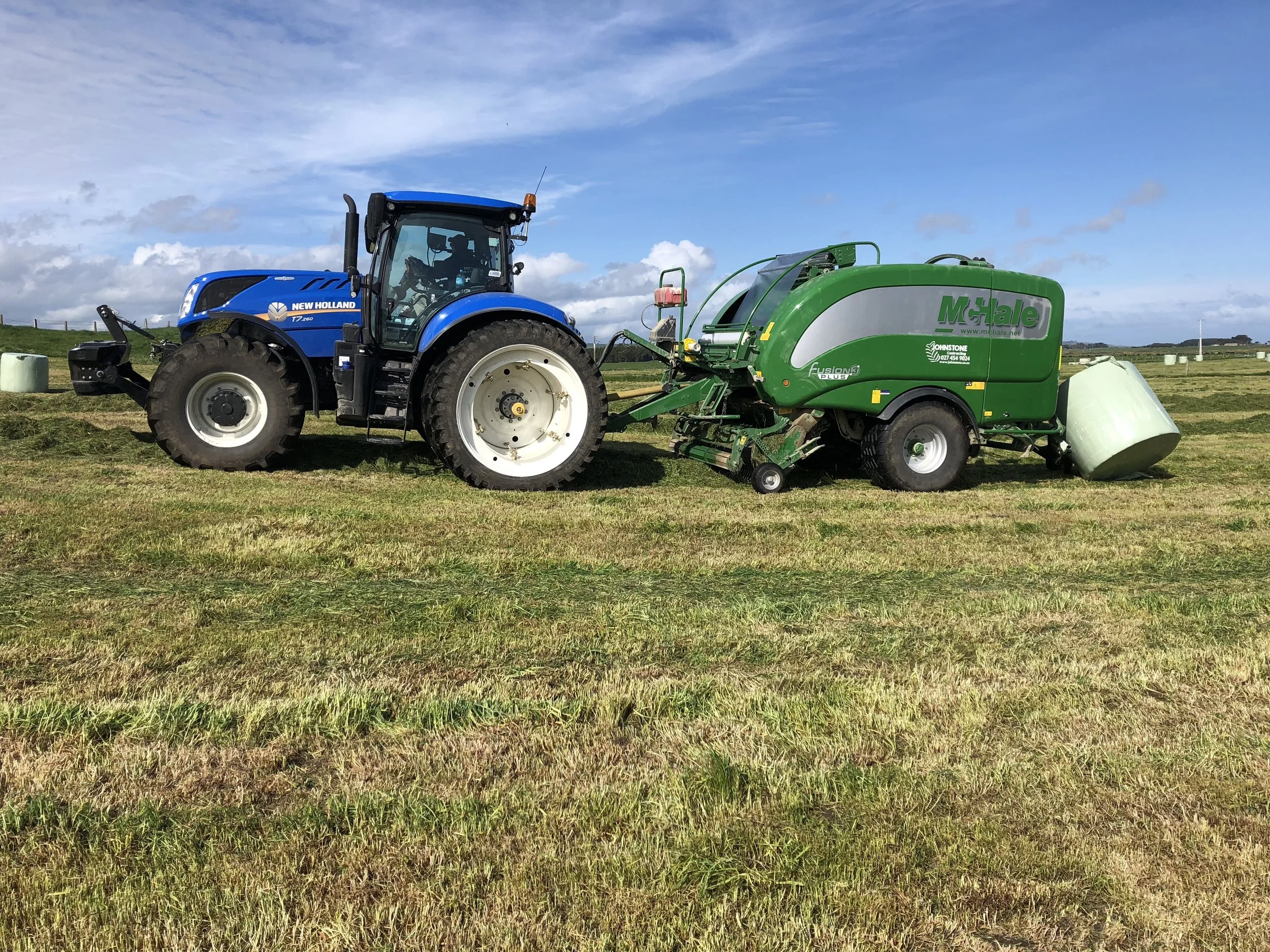
Contractors know better than anyone that machinery keeps getting bigger, heavier and more capable, yet the system governing what can legally travel on the road hasn’t kept pace. The result is a patchwork of permitting rules, regional inconsistencies and too many stories of delays or outright refusals. Andrew Olsen, Chief Executive of RCNZ, has called for detailed feedback from members to build a national picture of what’s really happening on the ground. It’s a call that every contractor should take seriously, because this is one of those rare moments when officials are listening and the door is open.
Front-mounted mowers are one example already on the radar. There are reports that some councils are declining permits based on the distance from the operator’s seat to the front of the mower. Others are advising that no permit is needed. It’s an area full of grey zones, where outdated interpretations of the Vehicle Dimensions and Mass (VDAM) rules collide with modern machinery design. The only way to fix it is with facts — clear, region-by-region feedback on what applications have been declined, what reasons were given and whether the issue sits with NZTA, local councils or both.
Overweight permits are another sticking point. Some contractors report smooth approvals, while others hit walls of red tape, particularly for the largest self-propelled machines such as forage harvesters and loaders. The question of whether permits include or exclude attachments is critical, because an exclusion can effectively make a machine unusable for the work it’s built to do. RCNZ wants a national overview of approvals and rejections to identify where the inconsistencies lie and that means contractors need to share their experiences.
As Andrew notes, “There’s a complex tangle of permits, weights, restrictions and supervision for agricultural vehicles which need, at times to travel at low speeds for short distances on local roads and state highways. While rural contractors are principally affected, there will be farmers who are caught with this same confusing mesh of red tape.” The reality is that the machinery used today bears little resemblance to what the current rules were written around. That disconnect is now stifling efficiency and in some cases, pushing contractors into non-compliance just to keep jobs moving.
Beyond permits, there’s a growing problem with the weight data on machinery itself. Some imported units arrive with a “badged” or declared weight that doesn’t match what’s recorded on local weighbridges once the machine is fitted with extras or ballast. The differences can be enough to push a vehicle into a new regulatory class, and those discrepancies are likely to become a flashpoint in the upcoming transport review. Collecting those figures now will help RCNZ ensure that the review reflects the real operating environment, not just the numbers on a manufacturer’s plate.
That review is coming, but it won’t happen overnight. Any changes to the VDAM rules will require legislation and as Andrew bluntly puts it, “No sugar-coating it — this will take time, possibly years.” In the meantime, RCNZ is working within the Road Transport Group and the Heavy Vehicle Industry Group, where policy changes affecting all over-dimension operators, cranes, airport vehicles and rural contractors alike are debated and shaped. Being at those tables matters. It means that when new frameworks are developed, rural contractors’ needs are understood alongside those of the heavy construction and emergency sectors, rather than being treated as an afterthought.
Another issue under discussion is licensing. The current rule requiring international drivers to wait six months before converting from a class 1 to a class 2 licence is proving a real barrier for many contractors. At a time when skilled machinery operators are hard to find, that half-year stand-down can mean losing valuable staff at the peak of the season. RCNZ wants to understand how widespread the problem is and what it’s costing the industry, not just in lost productivity but in hard dollars.
The message to members is simple: speak up. Share your experiences, good or bad. Every declined permit, every delayed approval, every unnecessary compliance hurdle adds weight to the argument that reform is needed. As Andrew says, “It is the only way we’ll convince government that there are issues that stop you doing business and change is required.”
For contractors, the stakes are high. The machines we rely on are not getting any smaller, the workloads are not easing and the margins for error are shrinking. Keeping those machines moving legally, safely and efficiently is a shared interest between operators, regulators and the communities they serve. If there’s ever been a time to make sure rural contractors’ voices are heard, it’s now.