
Anvil AR37: Turning feed into profit, without the stress
Anvil has just bought you more time this spring.
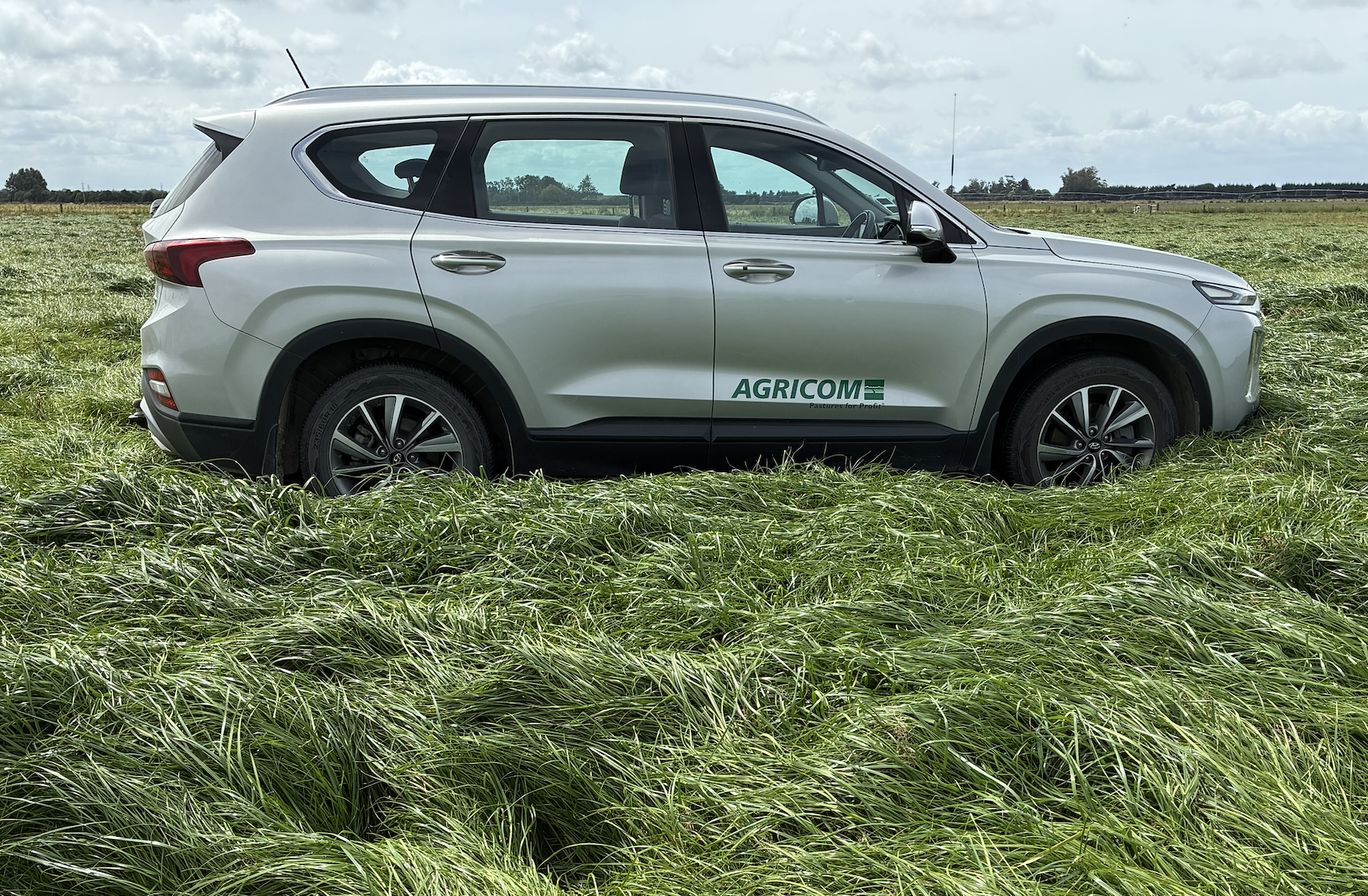
If you're a contractor or a farmer, you know how spring goes. Grass growth takes off, paddocks get away on you, quality declines rapidly and weather tightens an already narrowing harvesting window.
In New Zealand silage systems, our challenge isn’t growing enough grass in spring – it’s holding quality until the mower arrives. As spring growth accelerates, reproductive development can quickly reduce feed quality. With the latest heading date on the market (+30) for a tetraploid hybrid ryegrass, Anvil AR37 helps retain leafiness further into spring, creating a larger window for harvesting high-quality silage.
Anvil also brings excellent rust tolerance and strong summer resilience, so paddocks keep performing when conditions become challenging. Add in exceptional cool season activity and solid spring-summer production, and Anvil can put on serious volumes of feed across multiple seasons. Handy if you're trying to produce more silage on farm and reduce reliance on purchased supplements.
Pushing the limits of silage production with clover genetics
Anvil's only part of the story though. Producing exceptional silage is no longer just about growing more grass. With input costs where they are and increasing pressure on farm profitability, every tonne harvested needs to deliver on quality as well as quantity. This is where Relish red clover and Brace white clover come in.
Relish red clover has proven itself in over a decade of trialling under both grazed and cut and carry systems throughout New Zealand. Recent work from Harrison et al. (2024) showed Relish added into hybrid ryegrass silage systems without additional nitrogen applied lifted dry matter production by more than 18 t DM/ha over three years.
While Anvil drives the seasonal production and harvest flexibility, Relish adds protein, quality and extra summer growth, helping lift the overall value of the silage produced.
Brace rounds it out. Beyond the quality forage it contributes as a modern large leaved white clover, Brace plays an important role by fixing nitrogen biologically, which helps support ongoing pasture productivity. In a two-year cut and carry trial, ryegrass sown with Brace outproduced ryegrass sown with a commodity white clover, Huia, by 3.5 t DM/ha/yr (Agricom, n.d.).
A flexible, high-performing silage package for New Zealand farmers
For anyone looking to counter feed deficits in periods when supplement quality really matters – early spring, late autumn on a dairy platform, or in a finishing system – it starts with the genetics in the ground. Anvil's unique very late heading date paired with Relish and Brace gives you a silage package built for flexible harvest windows, more production, better silage quality and stronger returns per hectare.
Spring's all about timing. The right genetics can make the difference between simply making silage and turning feed into profit.