
Building better silage from the ground up
Anyone who has opened a silage stack knows that quality isn't decided on harvest day alone.
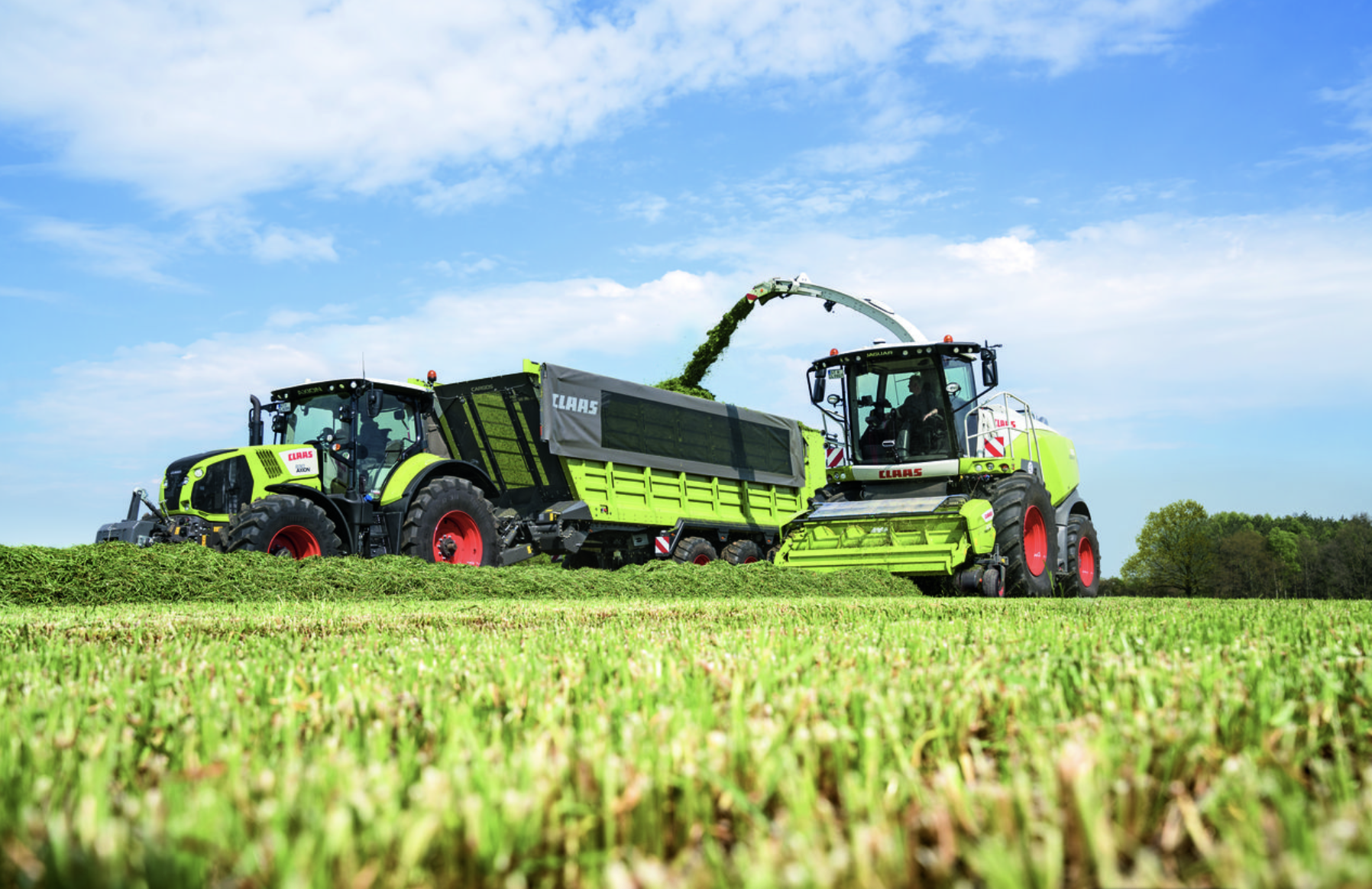
It starts with the first pass through the paddock and continues with every operation that follows. A clean cut. Even wilting. Gentle crop handling. Well-formed windrows. Consistent harvesting. Effective compaction. Each stage either protects feed quality or slowly takes something away from it.
For New Zealand farmers and contractors, where weather windows are often short and every tonne of forage matters, getting those fundamentals right has never been more important.
"People often judge silage once it's in the stack, but by then most of the important decisions have already been made," says Luke Wheeler, product business manager – Green Harvest at Landpower. "Every machine involved in the process has an impact on feed quality, which is why it's important to look at the harvesting system as a whole rather than individual machines."
That process begins with mowing. The objective isn't simply to cut grass quickly. It's to produce a clean, even cut while protecting the regrowth and minimising soil contamination. Dirt, ash and debris introduced at the mowing stage can compromise fermentation long before the crop reaches the stack.
Claas Disco mowers have been developed with exactly that objective in mind. Their proven MaxCut mower bed places the cutting discs further forward in the bed, increasing blade overlap to produce a cleaner cut while maintaining excellent crop flow. Combined with Active Float hydraulic suspension, the mower maintains consistent ground pressure across uneven terrain, allowing operators to work efficiently while protecting both the sward and the forage. These technologies help reduce contamination while preserving the crop's nutritional value from the outset.
Once cut, every hour matters. Pasture continues to respire after mowing, so the objective is to achieve the target dry matter as quickly and evenly as possible without compromising forage quality. Efficient fast wilting helps preserve sugars and creates the conditions needed for rapid fermentation.
Claas Volto tedders are designed to spread the crop evenly across the full working width using Max Spread technology, promoting faster and more uniform drying. Even crop distribution not only shortens wilting time but also helps ensure moisture levels remain consistent across the paddock before raking begins.
Bringing the crop back together is equally important. The purpose of raking isn't simply to create a windrow; it's to do so without introducing soil or damaging the forage that has been carefully managed up to that point.
Claas Liner rakes use a proven 3D ground contour following system with up to six wheels under each rotor, ensuring ground adaptation. The dedicated Claas silage tines maintain a consistent working height while gently handling the crop. Clean, evenly formed windrows improve pickup efficiency for the forage harvester while helping reduce ash contamination and preserving valuable leaf material.
From there, the forage harvester carries the crop through the next critical stage. While the Claas Jaguar has its own story to tell, its role remains the same: delivering consistent chop quality, effective crop processing and intelligent automation that monitors and protects feed quality from paddock to stack.
The final step is often the one that receives the least attention, yet it can have just as much influence on the finished result. Successful silage depends on removing oxygen quickly and creating the conditions for rapid, efficient fermentation. Achieving consistent compaction requires a machine that combines power with precise control.
The Claas Torion wheel loader has been designed specifically for demanding material handling applications, making it equally at home on the silage stack. Smart Loading automatically coordinates lifting and bucket functions to create smooth, repeatable loading cycles, while the Varipower continuously variable transmission delivers precise ground speed and pushing force during compaction. The result is dense, uniform layers that promote efficient fermentation and minimise dry matter losses. Excellent visibility from the panoramic cab also allows operators to maintain an even stack profile while working safely and efficiently.
"Good silage isn't the result of one outstanding machine," Wheeler says. "It's the outcome of every operation working together to protect feed quality. When each stage is done well, the benefits carry right through to livestock performance, feed utilisation and ultimately the profitability of the farming business."
Whether harvesting with your own equipment or working alongside a contractor, the principles remain the same. Every pass through the paddock contributes to the final result.
From the clean cut of the Disco; the fast, even drying of the Volto; the gentle crop handling of the Liner; through to the proven harvesting capability of the Jaguar and the precise compaction of the Torion, the Claas green harvest range has been engineered as a complete harvesting system. Because when every stage protects the quality of the crop, every tonne of silage has the opportunity to deliver more value long after the season has ended.