
Early Signs of Recovery for Arable Farming
Arable growers could be forgiven for feeling like the poor cousins of the primary sector this year as dairy, red meat and horticulture enjoy strong prices and renewed confidence. The grain sector has not shared in the same uplift and for many growers the past few seasons have demanded more resilience than reward. However, as spring unfolds there are signs that the tide may slowly be turning, offering a hint of optimism for those who have stayed the course.
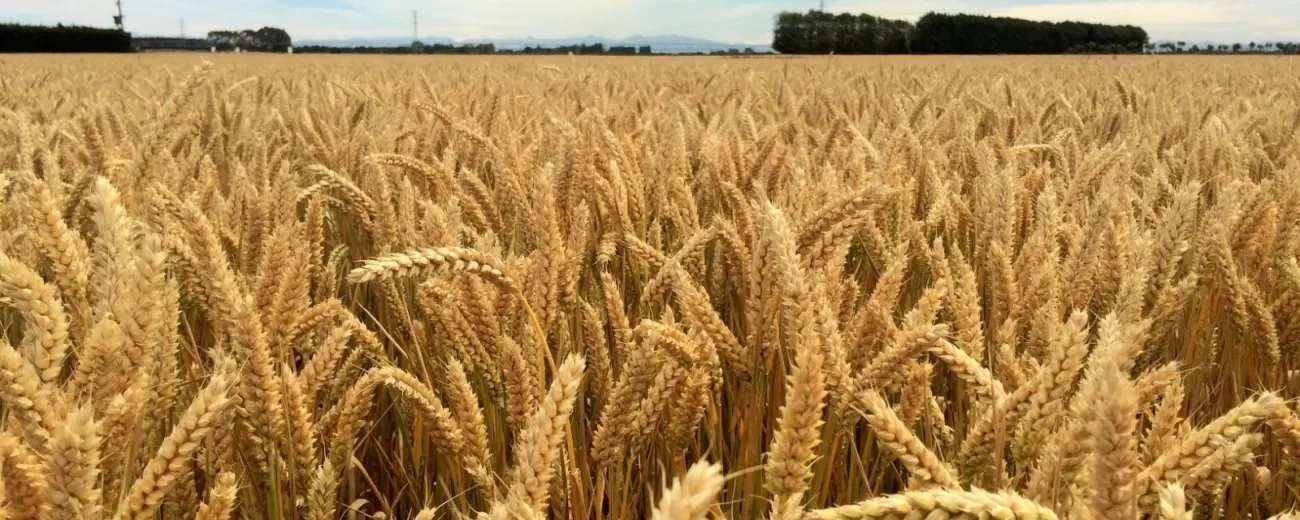
Local grain prices are starting to firm, particularly across the South Island where values have risen in the past year, while maize grain in the Waikato has lifted strongly. Increasing demand from the dairy sector is helping to underpin maize grain and feed wheat prices, even if imported feed remains the cheaper option on a straight cost comparison. For growers who have been battered by rising input costs and flat global markets, any upward movement provides some much needed breathing space. Input costs have continued to climb since 2019 and revenue has struggled to keep pace, yet with farmers in other sectors seeing improved margins there is cautious hope that better balance will eventually ripple through to arable.
Seasonal conditions have again shaped the year, with a wet autumn in South Canterbury compromising winter wheat planting. The months since have been relatively dry, although colder winter and spring conditions may affect yields at harvest. The variability serves as a reminder of the importance of New Zealand’s domestic grain sector. Imported feed can buffer shortfalls but does little to support long-term national resilience or regional economies if local growers shoulder the cost while imports take the market.
Internationally, grain markets remain subdued as strong global supply keeps a lid on prices. Consecutive years of generally good harvests, along with reduced feed use in major livestock regions, have kept global stocks comfortable and limited price momentum. Australia is heading for a good harvest as well, making imports competitive into New Zealand milling markets even with a weaker New Zealand dollar.
Despite these headwinds, the grain sector is not short of determination. Growers continue to invest in soil health, crop rotations and technology to improve efficiency and output. The strategic importance of arable farming in supplying reliable domestic feed is becoming increasingly clear, particularly as livestock sectors strengthen. With dairy demand improving and livestock margins lifting, feed demand may continue to rise into summer and beyond, providing further support for local grain prices. Lower interest rates will also ease financial pressure and allow growers to plan ahead with a little more confidence.
It would be premature to call this a turnaround, yet the early signs of recovery are encouraging and the optimism running through the wider primary sector may yet reach arable producers.
After several challenging years, growers deserve a season that rewards their perseverance. If local demand continues to build and the weather remains kind through to harvest, there is a chance the sector will begin to regain some of the confidence that has been missing for too long.