
Getting agricultural spraying practice right
Even for seasoned spray contractors there’s a bit of advice from Pieter Van Der Westhuizen, UPL NZ Ltd Adjuvant Lead and Regional Manager Upper North Island that’s worth sharing.
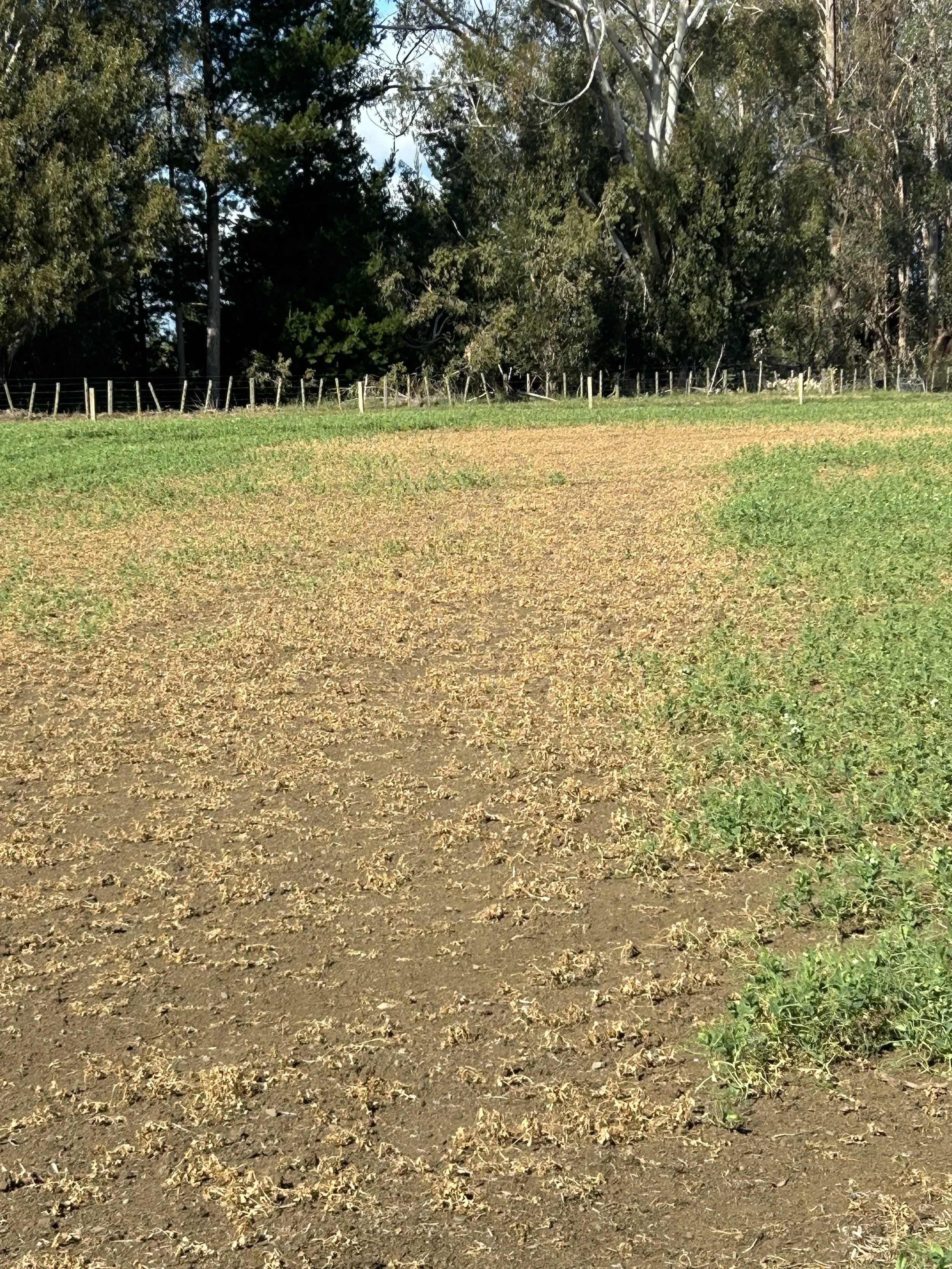
Pieter says a surprising number of people fail to read the spray labels. “Even if you’re familiar with the product and the crop – it’s best to double check.”
Spray hygiene is another concern, where very minor mistakes can result in money coming out of contractors’ back pockets and reduce returns for growers and farmers.
Pieter says the adjuvant All Clear is the insurance policy spray contractors can’t afford not to have. “Even tiny quantities of the wrong chemical left in the spray tank can have a huge impact.”
Pieter warns to avoid cleaning spray tanks with laundry powder or ammonia. “They’re not going to remove every trace of spray – that’s simply not what they’re formulated to do.”
He says the risk is particularly high when switching from one herbicide to another or from an herbicide to a fungicide, fertiliser, or insecticide. “Unfortunately, spray crop damage from this happens frequently.”
Spray drift also needs to be managed, both to maximise value and reduce risk. The increasing use of drones and regional councils’ crack-down on spray drift potentially impacting neighbouring properties makes products like Li-1000 and Unison vital. Li-1000 is widely used by ground and aerial spraying contractors and has passionate advocates from both systems.
Pieter says it’s also important to choose products that are fit for purpose and that includes adjuvants – the products that make sprays stick, spread or get into plants. “If you’re using a water-based chemical, then use a water-based adjuvant. If you’re using an oil-based chemical pair it with an oil-based adjuvant.”
Crop oils, crop oil concentrates and methylated seed oils, Pieter explains, break down the waxy surface on plants and are vital to achieve efficacy for some herbicides, insecticides and fungicides.
Water-based adjuvants are additives used in spray mixes (crop protection products, nutrients) or vaccines to enhance performance, acting as surfactants, wetting agents or water conditioners. “They typically give you more spread.”
Pieter says that contrary to popular belief, more water does not result in getting better spray coverage. “Water’s high surface tension doesn’t give the spread or coverage needed for optimal performance needed by insecticides.”
The adjuvant Du-Wett reduces the surface tension of spray droplets. One spray droplet containing Du-Wett can provide up to 20 times the spread of active compared to an insecticide applied without an adjuvant and at least 6–8 times compared to a conventional, non-ionic adjuvant.
“Hard water,” Pieter says, is another substantial challenge easily solved by using the right adjuvant. “Water hardness has one of the biggest negative impacts on spray performance.”
He says that leads to unnecessary expense, extra fuel and labour costs and reduced efficacy – all issues easily addressed with a water conditioner.
X-Change acts as a “sacrificial” product, changing “hard” water into “soft” by locking up free ions which would otherwise deactivate products.
“Some chemicals including glyphosates are very susceptible to the effect of ‘hard’ water. The positively charged cations in calcium, magnesium, iron etc. bind to the negatively charged glyphosate molecule. This slows uptake, reduces solubility, reducing efficacy.”
But above all, he says get products that are the right fit for the job and “read the label!”
Talk to your local technical representative to learn more about good agricultural practices or contact Pieter Van Der Westhuizen, UPL NZ Adjuvant Lead and Regional Manager Upper North Island at 021 392 740.