
Intelligent harvesting delivers better silage
When it comes to forage harvesting, output is only part of the story. Whether harvesting your own crop or providing a contracting service, the real measure of success is the quality of the silage entering the stack.
In New Zealand, every harvest presents different challenges. Crop maturity, moisture and density can change from paddock to paddock, while often only a narrow weather window stands between optimum feed quality and compromised silage. Producing a consistent chop, effective grain processing and a well-fermented feed requires more than horsepower; it demands precision.
That philosophy has underpinned the Claas Jaguar for more than 50 years. As the world's leading self-propelled forage harvester, the Jaguar has continually evolved to help farmers and contractors maximise feed quality through intelligent harvesting technology. The recently introduced Jaguar 1000 series is the latest example of that evolution, recognised internationally with an AE50 Award for agricultural engineering innovation. While designed to meet the demands of the world's largest forage operations, it builds on the same engineering principles that continue to make the Jaguar 900 series the preferred choice for many New Zealand farmers and contractors.
"Every harvest is different, but the goal never changes," says Luke Wheeler, product business manager – Green Harvest at Landpower. "Whether you're filling your own stack or harvesting for customers, you're trying to produce the highest quality feed possible. That's where the Jaguar has delivered consistent results, regardless of the conditions."
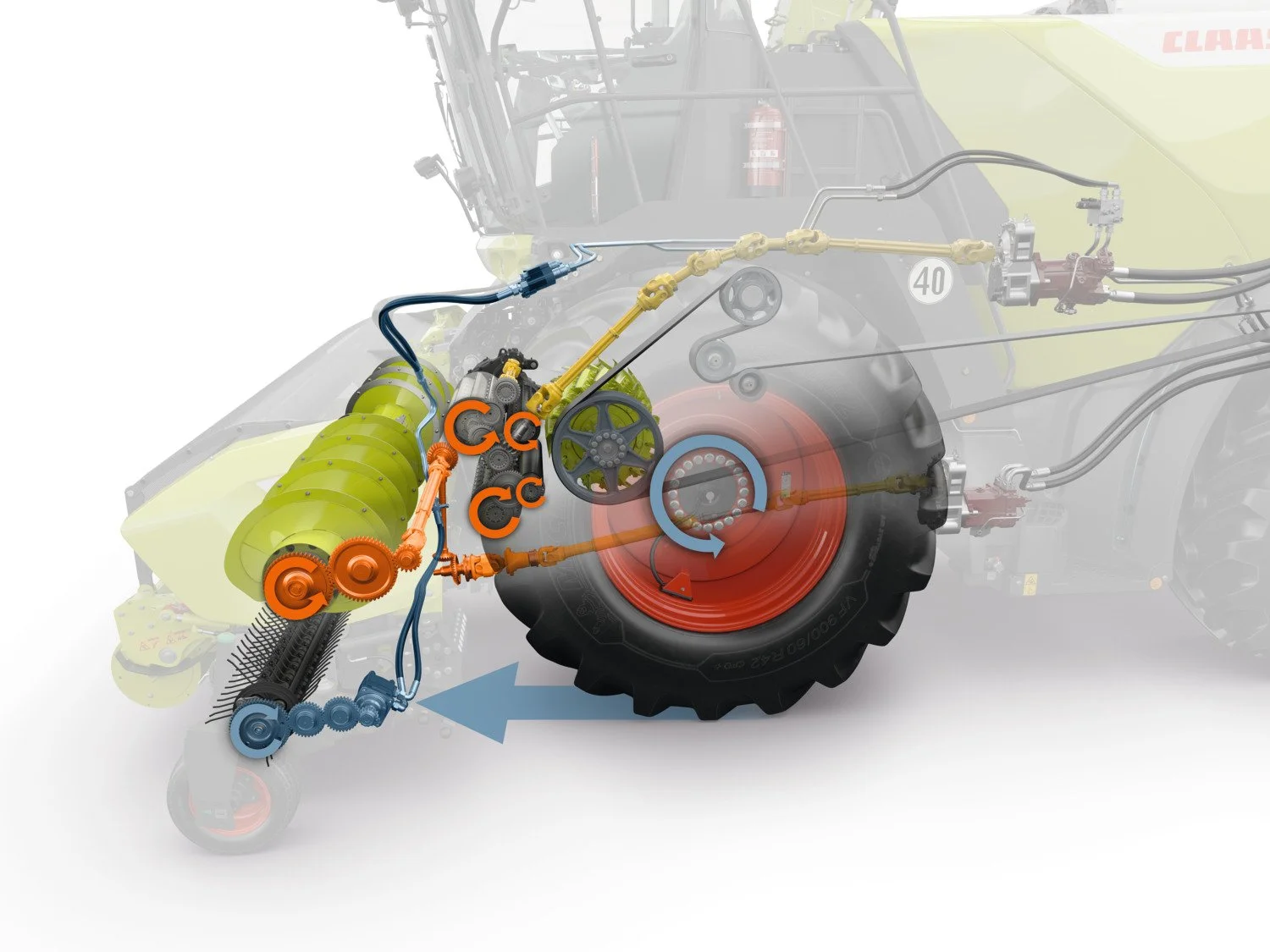
That consistency begins the moment the crop enters the machine. The Claas Pick Up has been designed to lift forage cleanly from the ground and deliver an even, uninterrupted crop flow into the intake system. Two independent drives work together, with one variable-speed drive matching the intake auger to the intake rollers, while a second hydraulic drive automatically adjusts the Pick Up reel speed to match the forward speed of the machine. This ensures the forage is lifted efficiently and transferred smoothly to the four pre-compression rollers.
Hydraulically controlled pre-compression rollers then maintain uniform compression of the crop mat regardless of crop volume, delivering material to the chopping cylinder at the correct speed for the selected length of cut. Maintaining this consistent crop flow is fundamental to producing an even chop and, ultimately, a consistent silage sample.
As crop conditions change throughout the day, maintaining the optimum theoretical length of cut becomes increasingly difficult through manual adjustment alone. The Claas Auto Length of Cut system continuously monitors crop throughput and automatically adjusts chop length, based on dry matter, to suit changing conditions. The result is a more uniform forage sample that packs more consistently, ferments more evenly and helps preserve valuable nutrients throughout the ensiling process.
Supporting that consistency is the optional V-Flex chopping drum, which gives the Jaguar 900 exceptional versatility by allowing different knife configurations to suit varying crops and harvesting objectives without changing chopping drums. Together, these technologies enable operators to optimise chop quality while reducing downtime, making the most of valuable harvesting hours when conditions are right.
Producing high-quality silage, however, depends on more than achieving the correct chop length. For maize silage, grain processing is equally critical. As dairy and beef producers continue to focus on feed efficiency, effective kernel processing has become essential for unlocking starch and improving digestibility. The range of Claas Multi Crop Crackers covers a wide variety of applications, from the long cut lengths required for Shredlage to shorter, more conventional chop lengths. Processing quality can be tailored through the choice of roller pairing, speed differential and roller gap setting, ensuring the crop is processed to suit individual feeding systems.
Understanding the crop as it moves through the machine is equally important. Available on the Jaguar 900 and integrated into the latest Jaguar 1000, Claas NIR (Near Infrared) technology measures key crop constituents, including dry matter, in real time. Rather than waiting for laboratory analysis, farmers and contractors have immediate access to valuable crop information that supports decisions around harvest timing, inoculant application and silage management. That insight allows adjustments to be made while harvesting is underway, improving confidence in the quality and consistency of the finished feed.
The Jaguar complements this capability with its onboard Claas Actisiler inoculant application systems. The Actisiler 37 low-dose system features a 37 L tank for highly concentrated inoculants and can automatically dose according to throughput or crop dry matter, with an adjustment range of 10–100 ml per wet tonne of forage. A separate 375 L ensiling agent tank can apply high-volume inoculants or inject water into the crop flow at headlands to remove sticky sugar deposits from the liners. The larger tank can also be used to refill the Actisiler system, providing flexibility across a range of harvesting conditions.
Individually, each of these technologies contributes to better harvesting outcomes. Together, they create an intelligent harvesting system that continually adapts as conditions change. By reducing the need for manual adjustments, operators can focus on maintaining smooth crop flow and harvesting efficiency, while the machine continually optimises performance in the background.
That same philosophy continues with the new Jaguar 1000. Built on more than five decades of forage harvesting expertise, it introduces a redesigned crop flow concept, the widest intake channel on the market, a new high-capacity chopping system and the latest generation of intelligent operator assistance technologies. While those developments are aimed at the highest-capacity harvesting operations, they reflect Claas' ongoing commitment to advancing forage harvesting technology for every market, with innovation continuing to flow throughout the wider Jaguar range.
"Good technology should never replace operator skill; it should enhance it," Wheeler says. "The best harvesting systems quietly work in the background, adapting to changing conditions so the operator can concentrate on the crop ahead. That's how you consistently produce better silage, and ultimately, better outcomes for the livestock being fed."
For farmers and contractors alike, that's the true measure of a forage harvester. While productivity will always matter, the greatest value comes from consistently producing high-quality silage that supports animal performance and farm profitability.