
Seed bank grows with climate-resilient species
New Zealand’s farming systems are entering a period of rapid change as hotter summers, drier soils and more unpredictable weather patterns begin to reshape how pastures perform and in this environment the work happening behind the scenes to protect plant genetics has never been more important. That is why the Bioeconomy Science Institute’s latest seed-collecting mission stands out, because it adds another significant chapter to the long history of the Margot Forde Genebank, one of the most diverse and valuable forage collections anywhere in the world.
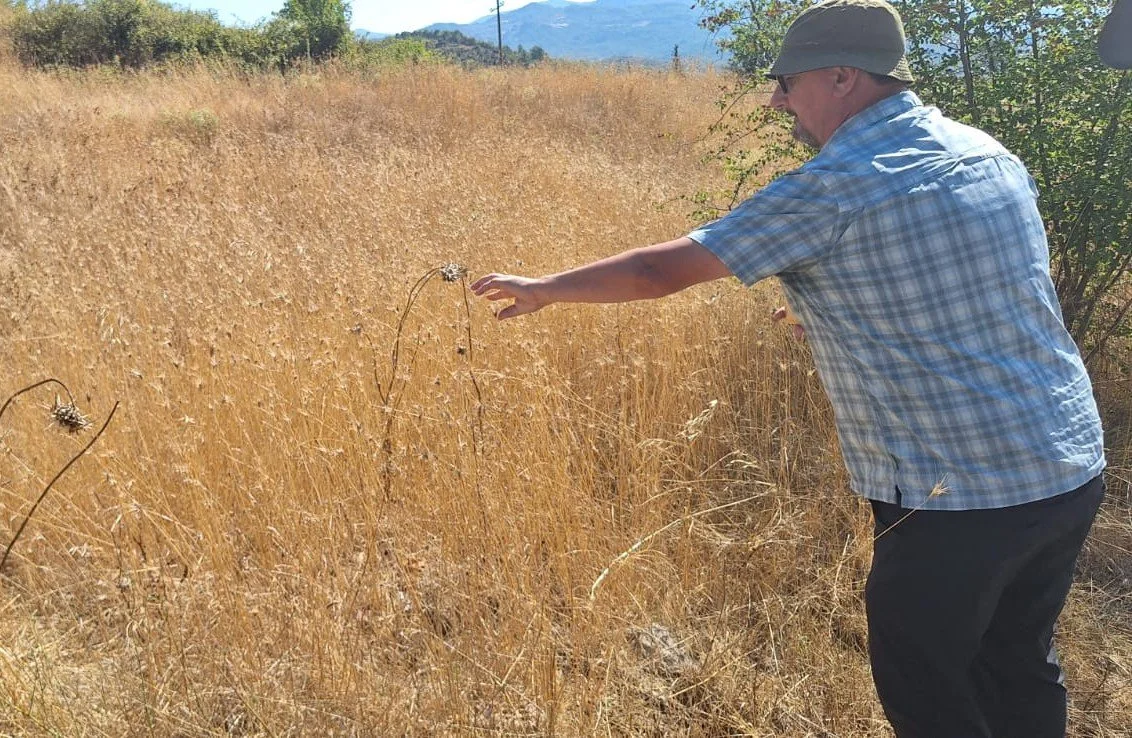
Seed hunter Zane Webber recently completed a major gathering trip through Albania and Serbia, returning with more than three hundred seed samples collected from forty-five sites across landscapes that have become natural proving grounds for climate resilience. These seeds which include populations of ryegrass, clover, fescue, cocksfoot and forage herbs such as chicory will soon enter the genebank in Palmerston North, marking the first time material from these regions has been added to the collection.
The mission was years in the making, because collecting seed internationally depends on long-term partnerships built on mutual trust and on agreements that respect the sovereignty of genetic resources held within each country. These steps had to be completed before Webber could set foot in the field, but the effort has been rewarded with species that have endured extreme drought, heat and soil stress in recent seasons.
“Many of the newly collected seeds are from plants that have survived in tough environments, making them a valuable genetic resource for developing forage varieties that can better withstand climate change here in Aotearoa New Zealand,” Zane says.
The Margot Forde Genebank is already home to more than 175,000 seed samples sourced from over one hundred countries, making it the largest forage genebank in the world as well as one of the most globally diverse. Its role is simple but profound because it safeguards the building blocks of future farming systems, ensuring that breeders, scientists and eventually farmers have access to the traits needed to cope with emerging challenges.
Zane says this work is essential to the long-term health of New Zealand’s primary industries. “Nearly all our crop and forage species originate overseas, so it’s important we keep exploring new genetic material to stay ahead of challenges like climate change and emerging pests.”
The newly collected seeds will become part of the genebank’s active collection, meaning they can be requested by researchers, breeders or farmers interested in diversifying their pastures or trialling new species suited to harsher conditions. Some may be used to develop new ryegrass cultivars capable of greater drought tolerance, others may support clover lines that survive heat stress or new herb varieties that maintain feed quality in summer dry regions.
For Zane, the trip through Albania and Serbia was demanding but rewarding, stretching across long days in the field where many of the most interesting species were found in unexpected corners of the landscape.
He says the work often meant walking roadsides where diverse species thrive naturally, collecting seed by hand and carefully recording each site.
Each location was documented and processed on an app in real time which transferred data directly into the database, and the seeds were then cleaned by hand to meet New Zealand’s strict biosecurity requirements. These steps are critical, because any seed entering the country must pass through several layers of inspection and treatment to ensure it is safe for storage and future use.
Zane credits the success of the mission to the involvement of local genebanks and international collaborators, including professors and taxonomists who volunteered their time and expertise to improve species identification and support travel through remote regions. Their knowledge helped locate pockets of genetic diversity that might otherwise have gone unnoticed and contributed to the overall quality of the collection.
This is far from Webber’s first expedition. Over the past twenty years he has led seed-collecting missions for the Margot Forde Genebank across Spain, Portugal, Armenia, Tajikistan, Greece, Cyprus and Russia, each trip adding layers of resilience to the global collection held in Palmerston North.
He describes the work as rewarding but challenging. “It’s not glamorous, you’re definitely not staying in the Ritz. But these missions are once-in-a-lifetime experiences that allow you to immerse yourself in new cultures and connect with incredible people working together to conserve the world’s plant genetic resources.”
The work is part of a broader global movement to preserve plant diversity as climate change accelerates. Genebanks like Margot Forde operate as insurance policies for future food security, storing seeds under controlled conditions so they remain viable for decades. If a species becomes threatened in the wild or if breeders need access to specific traits such as drought tolerance, cold endurance or disease resistance, these stored seeds become invaluable.
Zane says the collection belongs to the world. “They’re a gift to humanity. Most countries including New Zealand, cannot thrive on their own endemic genetic resources alone.”
As New Zealand’s climate continues to change and farming systems adapt to longer dry spells, shifting pest pressures and more variable seasons, the work of collecting, preserving and understanding plant genetics becomes essential. The seeds gathered from Albania and Serbia add another layer of insurance and provide new opportunities for researchers and breeders to develop pastures that will sustain farmers for generations to come.
In a world where resilience is now a requirement rather than an aspiration, the Margot Forde Genebank remains one of New Zealand’s quiet but powerful strengths, holding the diversity needed to future-proof the landscapes that feed us.