
Tower adds much-needed strength to New Zealand’s weed control toolbox
Weed pressure is one of those realities that every grower knows can shape an entire season long before a crop reaches canopy. In cereals where competition for moisture and nutrients is immediate, early weed control sets the tone for yield potential and crop health yet the options available to New Zealand growers have been tightening for years. That is why the Environmental Protection Authority’s approval of Tower, a new herbicide for wheat and barley represents a meaningful development for arable farmers and contractors who have been calling for more tools that strike the right balance between efficacy, crop safety and resistance management.
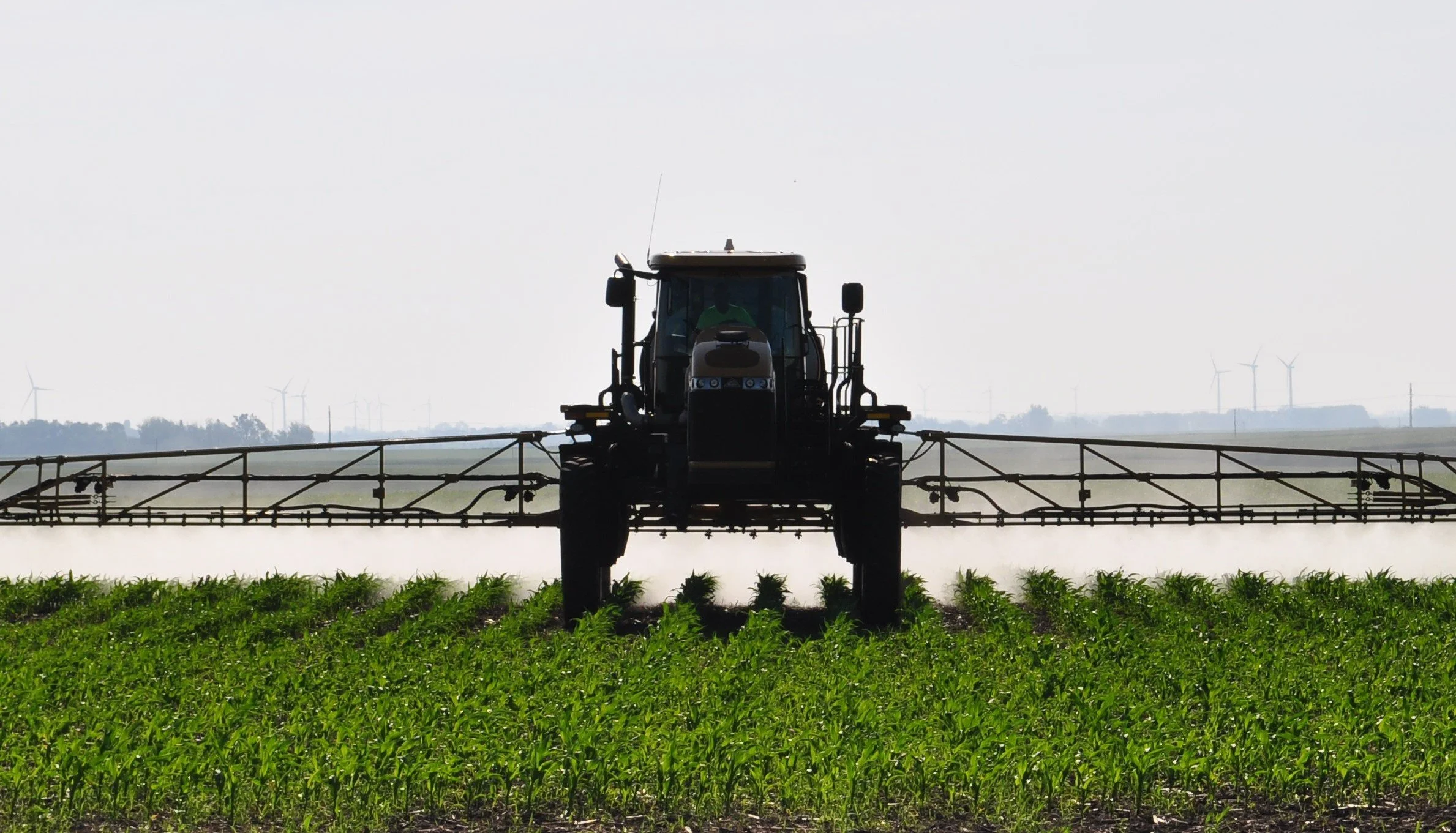
Tower is being introduced by Adama New Zealand and brings together three active ingredients, including chlorotoluron which is new to this country although widely used in the United Kingdom and Europe. Alongside chlorotoluron the formulation includes pendimethalin and diflufenican, both already familiar to New Zealand growers. The strength of the product lies not simply in any individual active, but in how the combination works together to control broadleaf and grass weeds in cereal crops while spreading the mode of action load to reduce the risk of resistance building. For many arable growers this is significant because grass weed control in cereals has been one of the more difficult challenges, with only a handful of herbicides capable of doing the job without also damaging the crop.
The EPA’s Acting General Manager for Hazardous Substances and New Organisms, Dr Lauren Fleury, notes that the approval gives wheat and barley growers another tool to help protect crops that are essential to the primary sector. The value of these crops is not small. Wheat and barley contribute around three hundred million dollars to the national economy each year, and nearly one hundred thousand hectares of land are dedicated to their production. In regions like Canterbury, Southland and parts of the lower North Island cereal rotations support wider livestock systems, feed markets and contracting businesses that depend on reliable yields to keep operations financially sound. When weed burdens take hold the losses ripple beyond a single paddock.
The introduction of a new active ingredient to the New Zealand market is not a casual decision and the EPA has emphasised that the approval followed a rigorous assessment and consultation process. Chlorotoluron is not new globally and has been used internationally for some time, but its entry into the New Zealand system means growers have access to another mode of action in a market where options have been slowly narrowing. Dr Fleury also points out that the decision sits within a broader effort by the EPA to reduce backlogs in hazardous substance applications, and to increase the number of assessments involving new active ingredients. That is encouraging for a sector that depends heavily on timely approvals to keep pace with evolving pest and weed pressures.
Tower is not a general purpose product and will be restricted to professional use in commercial settings. It is designed for ground-based application only, to be used after sowing and before crop emergence which aligns closely with how most pre-emergent herbicide programmes are structured in wheat and barley. This positioning is important because pre-emergent weed control lays the groundwork for an even, competitive crop at a time when seedlings are most vulnerable. Grass weeds in particular can quickly outcompete cereals and cause long-term yield drag, which is why growers look for tools that offer reliable suppression without compromising the crop. Tower’s fit within this early window will likely appeal to contractors who run spray operations during busy drilling periods and who need chemistry that works efficiently and predictably.
As with all agricultural products, Tower must also receive approval from the Ministry for Primary Industries before it can be used on farm. The EPA’s decision clears a major hurdle, but the MPI step ensures the product meets New Zealand’s agricultural and residue requirements protecting both growers and export markets. For now, the EPA approval signals a strong indication that the product has met the environmental and safety thresholds required for entry.
For contractors and growers facing rising costs, tightening margins and ongoing regulatory pressure, the arrival of any new chemistry is welcome particularly in a sector where weed resistance has begun to creep into conversations more frequently. When growers rely too heavily on a narrow set of herbicides the risk of resistance climbs, leading to more expensive and less effective control in the long term. A product that combines multiple modes of action helps spread the load and preserve the effectiveness of existing chemistry, giving growers more flexibility in how they design their programmes. That flexibility is especially important in mixed rotations where herbicide choices must be carefully balanced to protect following crops.
The significance of Tower’s approval extends beyond the chemical itself. It signals a willingness within the regulatory system to support innovation in the arable sector, while maintaining rigorous oversight. Wheat and barley remain foundational crops for many farming businesses and the contractors who support them and having new tools available reinforces the resilience of the wider industry. For operators who spend their springs and early summers working across vast areas of cereals, the right herbicide programme can make the difference between a clean, competitive crop and one that struggles before it has a chance to establish.
The introduction of Tower provides another option at a time when growers are balancing environmental expectations, rising input prices and the need to produce quality grain that underpins feed, milling and brewing industries. It is not a silver bullet but it is another piece of kit in a toolbox that needs to stay sharp. As seasons become more variable and weed pressures continue to evolve, the arable sector will depend on both innovation and regulatory responsiveness to keep ahead of the challenges.
Tower’s arrival marks one of those small but important steps forward. For cereal growers across the country having more choices in the fight against weeds is not just helpful, it is essential for protecting both yield and the long-term health of New Zealand arable farming.