
The harvest starts long before the headers roll
For most contracting businesses, harvest is when customers see the end result. Headers roll into paddocks, grain starts flowing into chaser bins and another season is underway.
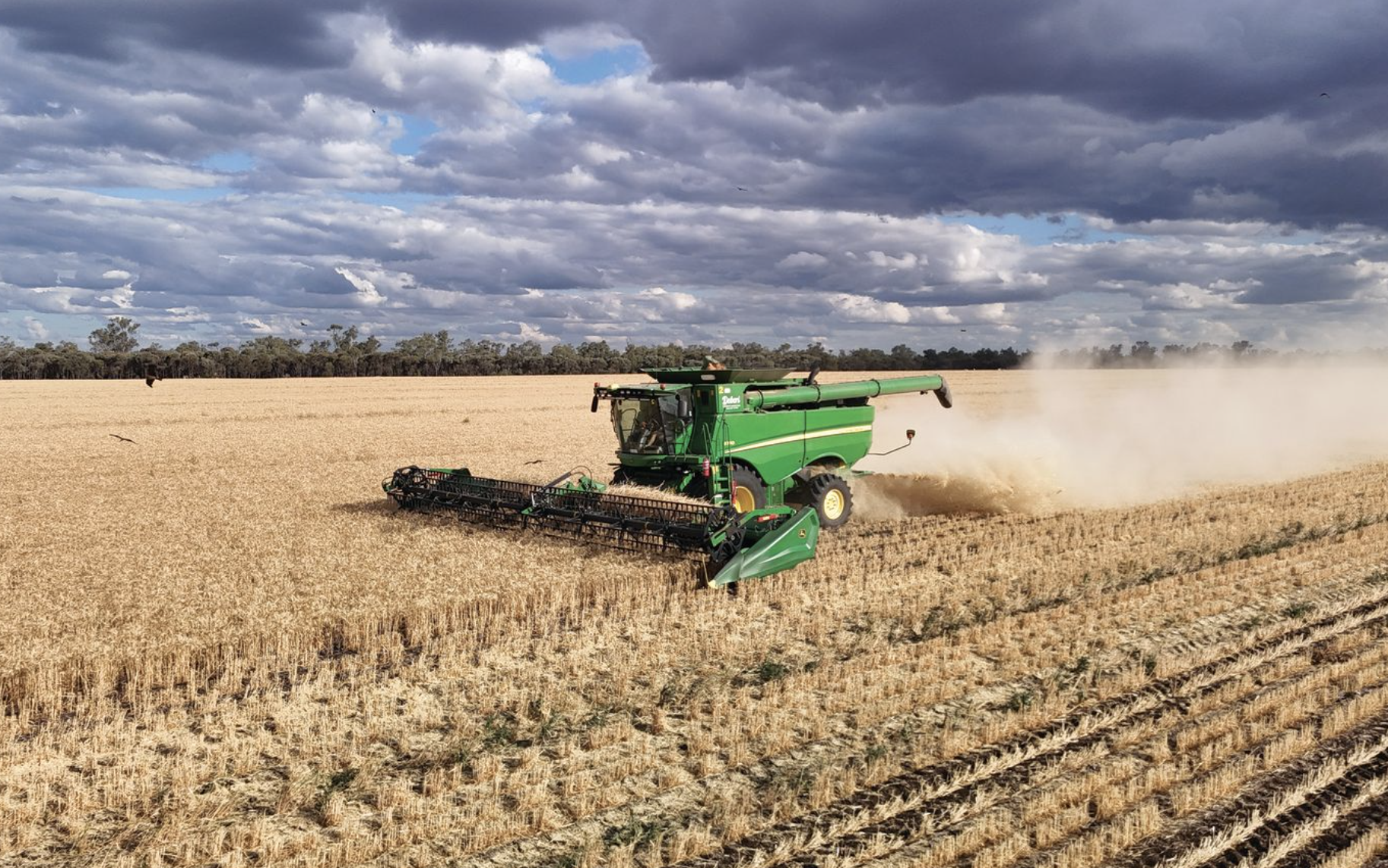
For Benji Schulze and Mitch Burgoine, however, a successful harvest is built long before the first crop is ready.
Across regional Queensland, much of their year is spent visiting customers, walking crops and discussing how the coming season is likely to unfold. They want to understand what growers are planning, how crops are progressing and what challenges might lie ahead, so that when harvest finally arrives there are fewer surprises and everyone is working towards the same outcome.
Those conversations may never appear on an invoice, but Benji and Mitch believe they're every bit as important as the harvest itself. They're part of a philosophy that sees customer service as something built over months, not measured over a few busy weeks, a defining characteristic of Deberi Contract Harvesting. For the two business partners, customer service isn't something that begins when the headers arrive at the gate. It's a year-round commitment that influences almost every decision they make, from the people they employ and the machinery they invest in, through to the way they prepare for harvest and communicate throughout the season.
Established in 1982, Deberi has built a reputation for dependable harvesting and long-standing customer relationships. When Benji and Mitch took over the day-to-day operation of the business in 2021, they weren't looking to change what had made Deberi successful. Instead, they wanted to build on those foundations while bringing their own perspective to the business.
"The name was already well established and we've got loyal clients," Benji explains. "We want to keep those people happy."
One of the biggest opportunities they recognised was time. Working as owner-operators, they have been able to invest more of themselves into building relationships outside the harvest window. Rather than waiting for customers to call when crops are ready, they make a point of keeping in touch throughout the year, visiting properties, discussing seasonal conditions and planning harvest well before machines leave the shed.
"We keep in touch and drive out to visit customers, discussing what their harvest might look like and looking at the crops as they're developing," Mitch says.
Those visits help both sides prepare. Customers have confidence in how the season is shaping up, while Deberi develops a clear understanding of priorities across its client base. By the time harvest begins, many of the conversations that might otherwise happen under pressure have already taken place.
That proactive approach continues throughout the season. Harvest rarely follows a script, with weather, crop maturity and changing paddock conditions constantly influencing where machines need to be. Flexibility has always been part of contracting, but Benji and Mitch believe communication is what allows those inevitable changes to happen smoothly. Regular updates, realistic expectations and a willingness to adjust plans together help ensure customers always know where they stand.
Their role often extends beyond harvesting itself. If a customer's own machinery breaks down or they need assistance getting equipment operating efficiently, Benji and Mitch are more than willing to lend a hand. One customer who had recently purchased two new harvesters found exactly that. Rather than simply carrying on with their own work, the pair spent several hours helping the customer understand the machines and become comfortable operating them.
"If you keep them happy, it's growing your business," Mitch says.
It's a simple comment, but one that reflects the philosophy underpinning the business. Success isn't measured solely by hectares harvested or machines in the paddock. It's measured by the strength of the relationships built over time and the confidence customers have in picking up the phone when the next harvest comes around.
That same thinking shapes every investment the business makes. While conversations around contracting often focus on horsepower, technology or fleet size, Benji and Mitch approach machinery from a different perspective. Every significant purchase is considered in terms of the value it will deliver to customers. Will it improve grain quality? Will it reduce crop losses? Will it improve reliability or help complete harvest more efficiently?
Those questions guided one of the business's most significant recent investments.
After demonstrating a new generation Geringhoff TruFlex razor front in 2024, both recognised immediately that it offered a genuine improvement in harvesting performance. Better contour following, an integrated air system and greater versatility across crops all contributed to cleaner harvesting and reduced losses. For Benji and Mitch, the benefits were obvious from the outset.
Rather than rushing into the purchase, however, they made a deliberate business decision to wait until the timing was right financially. It wasn't a question of whether the technology worked, they had already seen the difference for themselves, but of making sure the investment aligned with the long-term sustainability of the business.
Today those new fronts are already proving their value in the field, and replacing the remaining older units has become part of Deberi's long-term investment plan as the business continues to grow.
"We demoed one and fell in love with it," Benji says. "The air system really makes a difference."
It's a good example of the way they think. They aren't interested in technology simply because it's new. They're interested in technology that helps them do a better job for their customers.
The same philosophy extends to the workshop.
Before harvest begins, every machine undergoes extensive preseason maintenance. Benji and Mitch complete the majority of servicing themselves, carefully inspecting each header and carrying a comprehensive range of commonly required spare parts once the season begins. Preventative maintenance has become an important investment in its own right because every hour spent in the workshop before harvest reduces the likelihood of downtime when customers need them most.
Growing up around machinery has given both the confidence to diagnose and repair many issues themselves, while specialist support is brought in when required. The result is a fleet that spends more time harvesting and less time waiting for repairs, providing greater reliability for the growers depending on them.
People are approached with the same level of planning.
Each season, Deberi employs experienced operators recruited from Australia and overseas. Many have already worked on modern harvesters before arriving, bringing practical experience gained across Australia, Germany, Denmark and the United Kingdom. Rather than teaching someone how to operate a header from the beginning, Benji and Mitch can focus on introducing them to the way Deberi works and the standard of service they expect customers to receive.
Accommodation is organised before operators arrive, time is invested in helping them settle into the local community and every new team member receives a thorough introduction to the business, its operating procedures and daily expectations. Machine inspections, maintenance routines and communication protocols are all covered before harvest gets underway, allowing the team to work consistently from day one.
For Benji and Mitch, technical skill is only part of what makes a good operator. Understanding crops, taking pride in machinery, communicating well and paying attention to detail are equally important. Those qualities help ensure every customer receives the same standard of service, regardless of which operator arrives in the paddock.
By the end of harvest, what began as a group of seasonal workers has often become a close-knit team. While visa arrangements mean not everyone returns each year, the pair have found that creating a positive environment helps attract experienced operators who share the same values and professionalism.
That investment in people reflects another lesson they've learnt since taking over the business. Like any partnership, running Deberi has involved its own learning curve. Both openly admit they are still learning every season, refining systems, improving communication and finding better ways to work together.
"At the start we were probably holding a bit back," Benji reflects. "Now we communicate really well and figure things out together."
It's an honesty that perhaps explains why customers relate so well to them. There is little interest in pretending to have every answer. Instead, they focus on continual improvement, whether that's refining internal processes, evaluating new technology or finding more effective ways to support customers throughout the year.
Looking ahead, the business will continue to grow, but not at the expense of the personalised service that has become one of its defining strengths. There are plans to progressively expand the fleet, invest in additional transport capability and continue introducing new harvesting fronts as the business allows. Each investment will be made for the same reason the first was–to improve the experience and outcomes delivered to customers.
By the time harvest arrives, Deberi's preparation is put to the test across a remarkably diverse operation. Each year the team harvests around 20,000 ha across 12 crop varieties, from summer crops including sorghum, mung beans and corn through to winter crops such as wheat, barley, chickpeas, canola, lentils, lupins, oats, field peas and faba beans.
The diversity keeps both the machinery and operators constantly adapting to different crop types, conditions and harvesting techniques, ensuring no two seasons are ever quite the same.
Yet for all the planning, investment and continual refinement of the business, neither Benji nor Mitch has lost sight of why they chose this career in the first place. Despite the scale of the operation, every harvest still brings something different.
"Rain, volume, the team, the personalities – every year is different," Benji says.
While Benji enjoys the relative simplicity of harvesting wheat, Mitch prefers crops that demand a little more from both operator and machine, nominating chickpeas and canola as his favourites because of the skill and concentration they require. Different crops, changing conditions and a new team each season ensure there is always something new to learn, and that sense of continual challenge is part of what keeps both of them passionate about the work.
"When the machines are running and the dust is blowing out, it's such a buzz."
After months of preparation, the satisfaction comes just as much from seeing the team and their customers succeed as it does from completing another harvest. "When the harvest is finished, it's a good feeling," Mitch says. "Everyone is happy, the farmers, our team and us. We love what we do."
That enthusiasm perhaps says as much about Deberi as any investment in machinery or technology. While the business will continue to evolve, its direction remains remarkably simple. Every decision, whether it's employing experienced operators, investing in proven technology, spending more time with customers before harvest or carrying the right spare parts, ultimately serves the same purpose.
For Benji and Mitch, harvest may be the busiest part of the year, but it isn't where the business is built. That's happening throughout the seasons before a crop is ready, in conversations around paddocks, careful planning and a commitment to continually improving the service they provide. By the time the first header enters a field, much of the work has already been done, leaving them to focus on what matters most: delivering the quality experience their customers have come to expect, season after season.