
Why the story of Our Meat Matters as much as the product
There has been a growing gap in recent years between how New Zealand farmers understand their production systems and how those systems are perceived by consumers, both at home and offshore. That gap is not always built on facts. It is often built on headlines, assumptions and overseas production models that bear little resemblance to how sheep and beef farming actually works here. The Making Meat Better initiative exists squarely in that space, not as a marketing slogan but as an attempt to reconnect the story of New Zealand red meat with the realities of how it is produced.
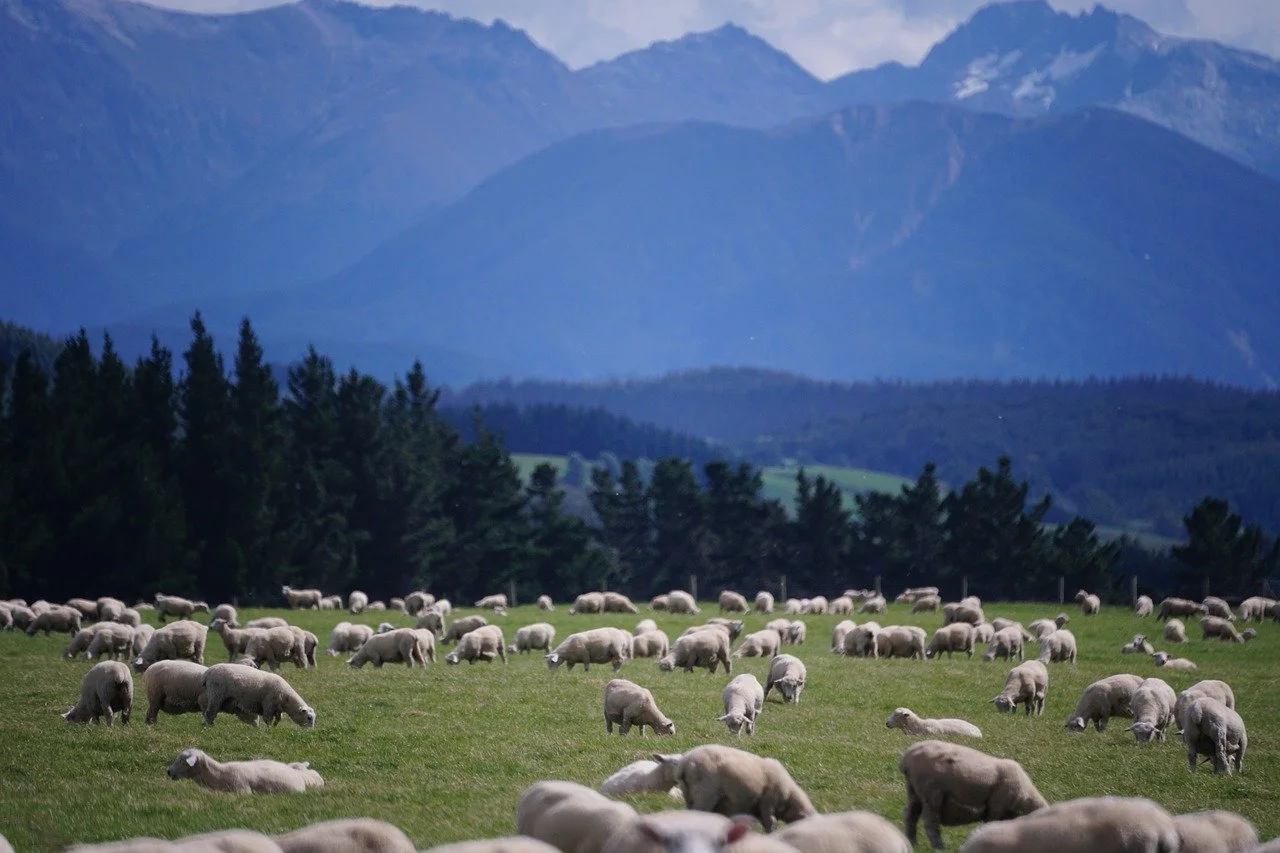
At its simplest, Making Meat Better is about putting context back into the conversation around meat. The initiative, developed by Beef + Lamb New Zealand alongside industry partners aims to give consumers a clear place to find evidence-based information about New Zealand farming methods and their environmental, nutritional and social outcomes. It recognises that public debate around red meat production has intensified globally and that much of that debate is shaped by intensive feedlot systems, heavy grain feeding and land use change that simply do not define New Zealand’s pastoral sector.
What makes this initiative worth paying attention to from a farming perspective is that it does not pretend the sector is perfect. Instead, it leans on the fact that New Zealand’s systems are already structurally different. Sheep and beef livestock here are overwhelmingly pasture-fed and free-range, operating in a temperate climate that allows animals to graze outdoors year round with relatively low intervention. That fundamental difference influences everything from animal welfare outcomes to antibiotic use, which is among the lowest in the world for these species. It also shapes how emissions, water use and land impacts compare internationally.
The initiative frames this story around four pillars: better for animals, better for you, better for the planet and better for communities. Those pillars are simple on the surface, but they reflect a broader argument that New Zealand’s extensive grass-based systems are inherently lower impact than many global alternatives. Emissions from sheep and beef farming have already fallen significantly in absolute terms since 1990, while productivity has been maintained through improvements in genetics, pasture management and farm efficiency. That trajectory is not often recognised in global narratives, yet it is central to how the sector positions itself internationally.
The same applies to land use. A large proportion of sheep and beef farmland in New Zealand is hill country that is unsuitable for cropping, which means livestock are often the most practical way to produce food from that land. The rotational grazing systems used across much of the sector also play a role in maintaining soil structure and pasture renewal, which contributes to long-term productivity rather than short-term extraction. None of this means there are no environmental challenges, but it does mean the starting point for discussion should reflect the reality of how the land is actually used.
From a nutritional perspective the initiative also leans into the argument that lean red meat remains a dense source of protein, iron, zinc and essential vitamins particularly for groups with higher nutritional needs. That is not a new claim, but it sits within a wider conversation about food security and diet quality, especially as populations age and nutrient deficiencies become more visible in certain demographics. The point is not that meat must dominate diets, but that moderate consumption of nutrient-dense foods still has a place in balanced eating patterns.
Perhaps the most overlooked part of the Making Meat Better story is the community dimension. Sheep and beef farms in New Zealand remain overwhelmingly family owned and they underpin rural economies in ways that extend well beyond the farm gate. The sector supports tens of thousands of jobs across production, processing and logistics and contributes significantly to export income. Those economic links are rarely visible in international commentary about livestock production, yet they matter deeply when considering the social sustainability of food systems.
What this initiative ultimately reflects is the growing importance of narrative in agriculture. Production alone is no longer enough. Farmers can produce high quality food efficiently and responsibly yet still struggle if the public conversation moves in a different direction. Making Meat Better is an attempt to ensure the story of New Zealand red meat is not told solely by overseas reports or simplified assumptions, but by evidence grounded in local systems and data.
For farmers, the value of initiatives like this lies less in promotion and more in alignment. When the sector can clearly explain how its systems work it becomes easier to defend market access, maintain consumer trust and justify the ongoing investment required to keep improving. It also reinforces something many farmers already know instinctively: that the strengths of New Zealand’s red meat sector are not accidental. They are the result of climate, landscape, management choices and generations of refinement.
In a world where food production is increasingly scrutinised and often misunderstood, being able to demonstrate not just that we produce meat, but how and why we produce it the way we do may be as important as the production itself. Making Meat Better is ultimately about ensuring that conversation is informed by reality rather than assumption, and that the story of New Zealand farming remains grounded in the land it comes from.